GST Shake-Up: Govt Plans Just 2 Tax Slabs of 5% & 18%, Everyday Items Like Food, Clothes, Hotels May Get Cheaper Soon
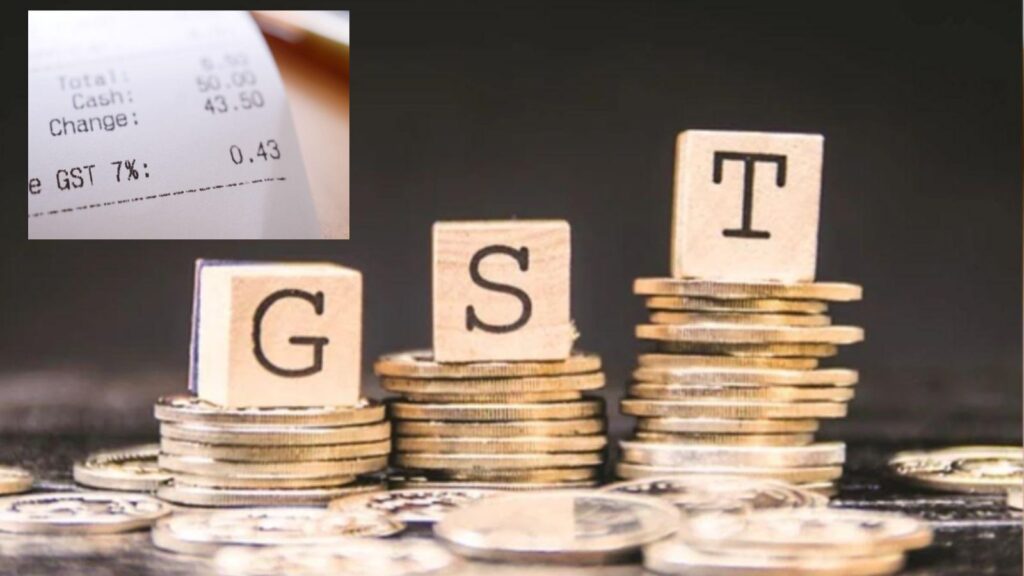
GST Shake-Up: Govt Plans Just 2 Tax Slabs of 5% & 18%, Everyday Items Like Food, Clothes, Hotels May Get Cheaper Soon
The Goods and Services Tax (GST) Council is preparing to consider one of the biggest changes since GST was introduced in 2017. According to reports, the proposal suggests replacing the current four-tier tax system with just two slabs, 5% and 18%. If approved, this move could lower taxes on several everyday items and reduce the household burden by an estimated 12–15%.
What Could Change
Right now, GST has four tax rates: 5%, 12%, 18%, and 28%. The new plan aims to scrap the 12% and 28% categories to make the structure easier for both businesses and consumers. A special 40% rate is also being considered for sin goods such as tobacco and alcohol, along with a few ultra-luxury products.

Relief for Common Consumers
Officials say most goods used daily, such as bicycles, medicines, food products, toiletries, apparel, and even movie tickets, would fall under the lowest 5% slab. Hotel rooms priced up to ₹7,500 per night are also expected to be included in this category. According to the reports, all the products used by the common man will be at the lowest slab of 5%.”
Impact on Household Budgets
The simplified tax structure is designed to make goods cheaper and boost consumer spending. By reducing rates on a wide range of products, the government hopes to ease financial pressure on households while still maintaining tax revenue through sin goods and luxury items.
GST Council Meeting
The GST Council, chaired by Finance Minister Nirmala Sitharaman and including finance ministers from all states, will review the proposal during a two-day meeting. The Council will study the revenue implications and decide whether the compensation cess on current 28% items can also be withdrawn.
Compensation and Revenue Considerations
Since GST was rolled out in July 2017, a compensation cess has been added on luxury and demerit goods. The rates range from 1% to 290%, helping states cover revenue losses from the new tax system. Now, with a surplus of about ₹3,000 crore expected in the compensation fund by the end of September, the Centre and states may discuss sharing it if the proposal is cleared.
Essentials vs. Luxury Goods
The fitment committee has also suggested creating a distinction between essentials, aspirational products, and ultra-luxury goods. Pricing thresholds may be used to decide which category products fall under. Large industrial contracts could also be taxed differently to avoid confusion.
A Step Toward Simplification
Experts believe that moving to a two-slab GST structure will not only reduce compliance issues for businesses but also make the tax regime more transparent for consumers. If approved, this reform could mark a major milestone in India’s indirect tax journey, aiming to balance simplicity, fairness, and revenue needs.