EMI defaults and your CIBIL score: How 30, 60, and 90-day delays impact your credit profile

EMI defaults and your CIBIL score: How 30, 60, and 90-day delays impact your credit profile
Even a single missed EMI can dent your creditworthiness; the longer the delay, the harsher the penalty
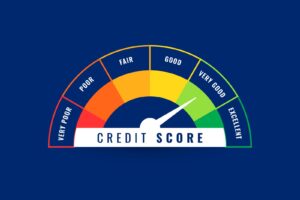
Your CIBIL score, ranging from 300 to 900, is one of the most crucial numbers lenders look at before approving a credit card or loan. It reflects your repayment discipline and overall creditworthiness. Missing even one EMI can negatively affect this score, and the impact depends on how late the payment is reported.
Does one missed EMI always mean a huge drop?
Not necessarily. The drop in your score depends on several factors:
– Your existing credit score (higher scores face sharper drops)
– Whether the loan is secured (home/car) or unsecured (personal/credit card)
– Whether it’s your first slip or a repeated default

Credit bureaus track delays through DPD (Days Past Due), which records how many days late an EMI is.
30-day delay (DPD 30)
If you miss an EMI by more than 30 days, banks flag it as a default and report it to credit bureaus. This can lead to a 50–100 point drop in your CIBIL score.
60-day delay (DPD 60)
Missing EMIs for two months signals financial stress. It may cause a drop of 80–150 points or more, severely hurting your credit profile.
90-day delay (DPD 90)
Crossing the 90-day mark is the most damaging. The bank may classify your loan as a Non-Performing Asset (NPA). Your score can fall 100–200+ points, and the remark can stay on your credit history for years, making future loans very difficult.
Other factors that shape your credit score
– Payment history: Whether you pay on time
– Credit utilisation: How much credit you use compared to your limit
– Length of credit history: Older accounts boost stability
Bottom line
– A 1–2 day delay usually does not get reported to CIBIL (though late fees apply).
– A delay beyond 30 days is reported and dents your score.
– The longer the delay, the sharper the drop and recovery can take years.
Maintaining timely payments is the single most effective way to keep your CIBIL score healthy and your borrowing options wide open.