How Aluminum Foil Can Reduce Wi-Fi Signal Leakage and Improve Security
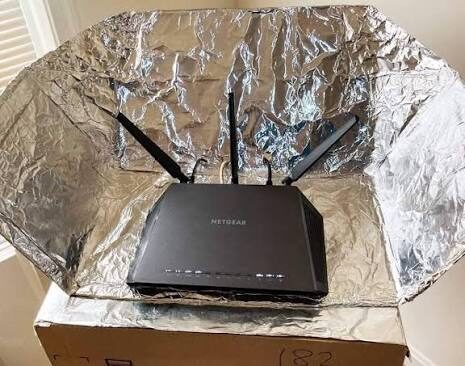
How Aluminum Foil Can Reduce Wi-Fi Signal Leakage and Improve Security
13 July, 2026: Struggling with weak Wi-Fi signals in certain parts of your home? A simple sheet of aluminum foil could help improve your internet coverage, according to researchers who have developed a low-cost reflector that directs Wi-Fi signals more efficiently.
The technique uses a specially designed reflector made from a combination of plastic and aluminum foil. Instead of allowing Wi-Fi signals to spread in all directions, the reflector redirects them toward the areas where a stronger connection is needed. This not only improves signal strength inside the home but also reduces signal leakage outside the building, enhancing wireless privacy and security.

Researchers say the reflector is inexpensive to make, costing around approximately ₹3,000. It can be customized to suit the layout of a home or office, helping users strengthen Wi-Fi coverage in rooms with poor connectivity while limiting signals in unwanted areas.

The reflector works by changing the direction of radio waves emitted by the Wi-Fi router. Rather than increasing the router’s power, it focuses the existing signal where it is most useful. This means users can experience better connectivity in target locations without purchasing expensive networking equipment.
Experts note that the reflector is particularly useful in larger homes, multi-storey buildings and offices where Wi-Fi dead zones are common. By reducing unnecessary signal leakage beyond walls, it may also make it more difficult for outsiders to access or intercept wireless signals.
However, the reflector is not a universal solution for every Wi-Fi problem. Internet speed can still be affected by factors such as the user’s broadband plan, router quality, physical obstacles like concrete walls and electronic interference from other devices. Placing the router in a central location, updating its firmware and using modern Wi-Fi standards remain important for optimal performance.
As demand for reliable internet continues to grow, this affordable innovation could offer a practical way for households and businesses to improve Wi-Fi coverage and strengthen wireless security without investing in costly hardware.