How to Avoid Spices from Turning Bitter When Fried
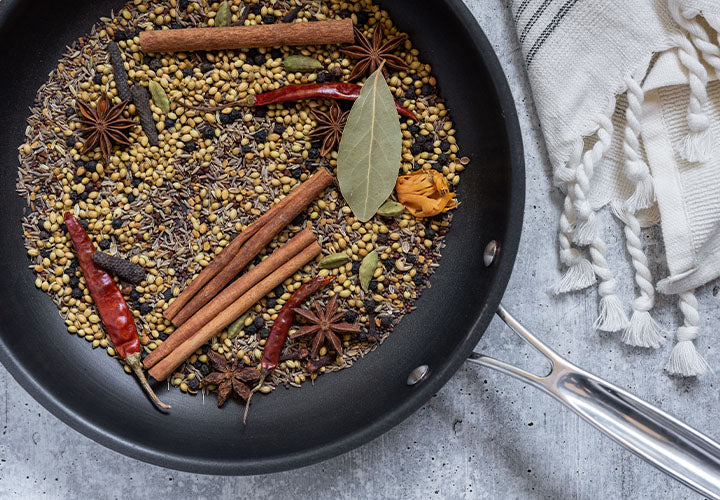
How to Avoid Spices from Turning Bitter When Fried
The secret to perfect tadka lies in timing, temperature, and technique. Here’s how to avoid bitterness in your curries.
In Indian kitchens, spices are more than ingredients, they’re the soul of flavour. That tiny crackle of cumin, the nutty pop of mustard seeds, or the smoky kick of red chilli powder can transform a simple dish into something extraordinary. Yet, many home cooks face a common problem: spices that turn bitter when fried.
So why does this happen, and how can it be avoided? The answer lies in food science and technique.

The Science Behind Bitterness
Most spices contain delicate essential oils that give them their aroma and flavour. When heated correctly, they release fragrance that enhances the dish. But push them too far, and those same oils break down into compounds that taste sharp and bitter.
Spices such as coriander, fennel, and garlic powder also contain natural sugars. While short heating caramelises these sugars for sweetness, extended frying burns them—leading to bitterness.
Whole vs Ground Spices
- Whole spices (like cumin seeds, mustard, and cardamom) are more forgiving. Their oils are locked inside tough shells, releasing slowly.
- Ground spices (like turmeric, chilli powder, cumin powder, garam masala) are fragile. Their fine texture and exposed oils mean they burn in seconds if added directly to hot oil.
This is why most recipes call for adding powdered spices after onions, tomatoes, or other moist ingredients, so they cook gently instead of scorching.
Common Mistakes That Cause Bitterness
- Overheating the oil: Spices added to smoking-hot oil burn instantly.
- Timing errors: Frying beyond the first fragrance release makes oils break down.
- Overcrowding the pan: Too many spices at once cause uneven cooking.
- Using stale spices: Old or poorly stored spices lose balance and taste harsher.
How To Prevent Bitter Spices
- Add spices when the oil is hot but not smoking.
- Temper whole spices first, then build the base.
- Add ground spices after onions or tomatoes, allowing them to blend with moisture.
- Fry in small batches so each spice gets even heat.
- Store spices in airtight containers, away from sunlight. Buy smaller quantities to ensure freshness.
Perfect tadka is all about balance, heat just enough to unlock flavour but never long enough to destroy it. A few seconds of attention can mean the difference between a fragrant curry and a bitter one.