India–EU Trade Deal Set To Make Olive Oil, Pasta, Chocolates And More Cheaper In India
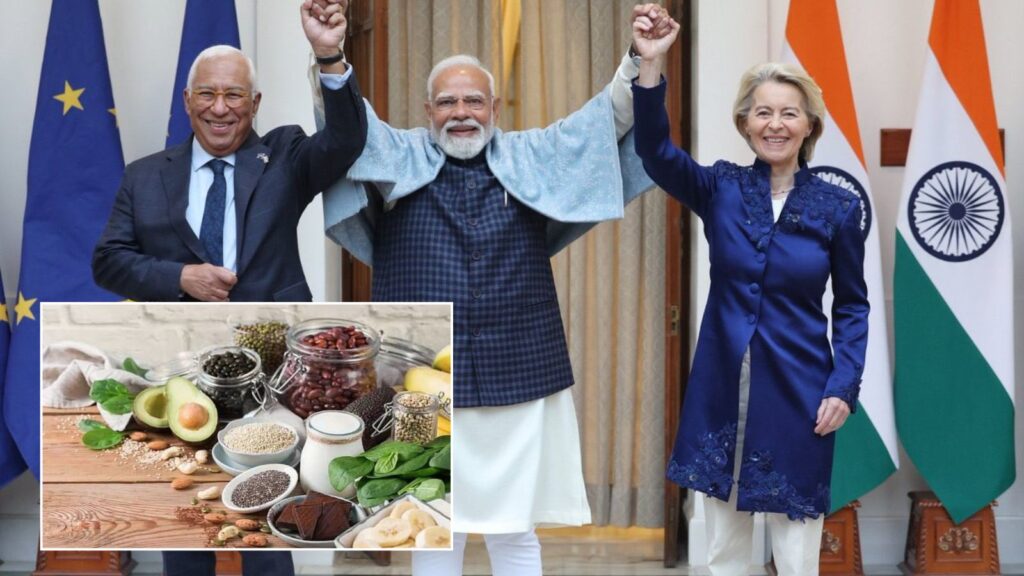
India–EU Trade Deal Set To Make Olive Oil, Pasta, Chocolates And More Cheaper In India
Tariff cuts on European foods promise lower prices, wider choices and big changes for homes and restaurants
India has officially sealed its long-awaited Free Trade Agreement with the European Union, marking a major shift in how imported food products will be priced across the country. After nearly 18 years of negotiations, the agreement focuses on reducing or eliminating import duties on more than 90 percent of EU goods, including a large number of agricultural and processed food items.
For Indian consumers, this means several premium European foods that were earlier considered expensive or occasional purchases may soon become part of regular grocery baskets. Olive oil, pasta, chocolates, bakery goods, fruit juices and select fruits are among the biggest beneficiaries of the deal.
One of the most significant changes is in the processed foods category. Products such as bread, pasta, biscuits, pastries, bakery items, chocolates, confectionery and even pet food will now attract zero import duty. These items earlier faced tariffs of up to 50 percent, which directly inflated their retail prices. With complete duty removal, their landing cost in India will reduce sharply, opening space for more competitive pricing in supermarkets and online stores.

Fruit juices and select non-alcoholic beverages from Europe will also become duty-free. Earlier, these products were taxed at rates as high as 55 percent. Their zero-duty status is expected to bring down shelf prices and increase the presence of European juice brands in the Indian market.
In the meat category, processed meat preparations and sausages will see tariffs reduced from as high as 110 percent to 50 percent. While this does not make them duty-free, the cut is still substantial and is likely to reduce import costs considerably. Sheep meat from EU countries will see complete duty elimination, dropping from 33 percent to zero.
Fresh fruits such as pears, kiwis and other specific European produce will also become more affordable. Their tariff will fall from 33 percent to 10 percent within fixed quotas. This reduction is expected to make premium imported fruits more competitive against domestic and other international alternatives.
Overall, the agreement aims to reshape the way Indian consumers view imported food. With lower prices, European products will no longer remain limited to high-end stores or luxury buyers. Olive oil, specialty cheeses, chocolates and bakery items could soon find wider acceptance in middle-class households. The deal is expected to encourage experimentation with international flavours and diversify everyday cooking habits.
The impact will be particularly strong in the restaurant and hospitality sector. Cheaper imports mean more stable supply chains and greater flexibility in menu planning. Chef Sandeep Yadav of La Soiree, Kolkata, explains how this could change dining experiences, saying that cheaper imports allow restaurants to “use more premium ingredients like European olive oils, cheeses and wines” without increasing menu prices. He adds that this could support “more wine pairings, olive oil infusions in Mediterranean dishes, and cheese boards without premium markups,” helping elevate menus and attract diners seeking richer, more experimental experiences.
Hotels, cafés and fine-dining restaurants are expected to gain access to higher-quality European ingredients at lower costs, improving consistency and creativity in food preparation. This could also strengthen India’s growing global cuisine culture.
From a trade perspective, the agreement is projected to save European exporters billions of euros annually by removing high tariff barriers. At the same time, Indian consumers stand to benefit through lower prices, better product variety and improved quality standards.
Many European food products currently attract import duties between 30 and 55 percent. In some categories, the tariffs go up to 50 percent or more. These high rates have long restricted accessibility. The new agreement changes that structure by sharply cutting or removing those costs, making European food products more realistic options for daily consumption rather than occasional indulgences.
The deal also brings competition into the domestic food market. Indian manufacturers and importers may need to improve quality, packaging and pricing strategies to stay competitive as international brands become more affordable.
In the coming months, shoppers are likely to see visible changes in supermarket shelves. More European brands, expanded selections of olive oils, chocolates, pasta varieties and bakery products are expected. Over time, price differences between imported and locally available alternatives could narrow, giving consumers more freedom to choose based on quality and taste rather than cost alone.
This agreement is not just a trade milestone but a lifestyle shift. It signals a new phase where international food products integrate more naturally into Indian kitchens, restaurants and dining habits.