India-US Trade Deal Slashes Tariffs To 18%, Giving India Major Edge Over China, Pakistan And Bangladesh
India-US Trade Deal Slashes Tariffs To 18%, Giving India Major Edge Over China, Pakistan And Bangladesh
PM Modi–President Trump phone call reshapes Asia’s export landscape as Indian goods become cheaper in the US market and exporters eye a sharp jump in orders.
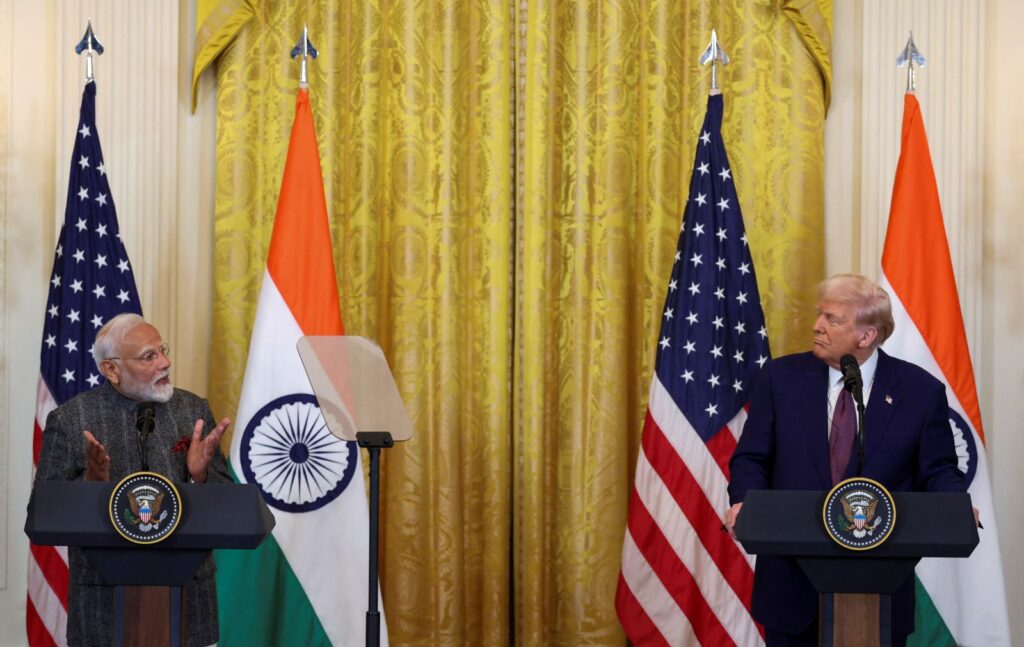
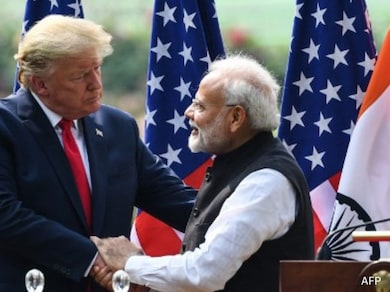
India has secured a major economic and strategic win after the United States reduced tariffs on Indian exports to 18 per cent, a move that places the country ahead of key Asian competitors including China, Pakistan and Bangladesh. The decision followed a direct phone conversation between Prime Minister Narendra Modi and US President Donald Trump and is being widely described as a “game changer” for Indian exports.
With the tariff cut taking immediate effect, Indian products entering the US market will now face significantly lower import duties compared to many competing countries. This shift is expected to make Indian goods more attractive to American buyers, potentially redrawing Asia’s export map over the coming months.
President Trump said the tariff relief was extended to India out of friendship and mutual respect, adding that the agreement would come into force immediately. Shortly after, Prime Minister Modi welcomed the move, saying it would provide fresh momentum to Made in India products and strengthen India’s position in global trade.

Under the revised structure, India now enjoys a clear cost advantage. While Indian exports will be taxed at 18 per cent, China continues to face tariffs of around 34 per cent, nearly double India’s rate. Bangladesh and Vietnam are placed at about 20 per cent, while countries such as Pakistan, Malaysia, Cambodia and Thailand face tariffs close to 19 per cent. This effectively puts India among the most competitive exporters to the US in Asia.
Industry experts believe the impact could be swift. Exporters estimate that shipments to the US could rise by 20 to 30 per cent in the next few months, driven by fresh orders across sectors. Small and medium manufacturing units are also expected to benefit, with larger volumes translating into increased production and job creation.
Sectors likely to see the biggest gains include textiles and garments, electronics, pharmaceuticals and general manufacturing, where price sensitivity plays a crucial role in global competitiveness. With lower tariffs, Indian goods are expected to undercut rivals that previously dominated the US market with low-cost offerings.
The deal also carries broader geopolitical implications. According to official comments, the US has indicated that additional tariffs linked to India’s purchase of Russian oil could be lifted if India fully stops buying Russian crude. This aspect of the agreement is being viewed in the context of ongoing efforts to end the Russia–Ukraine conflict and rebalance global energy trade.
Observers say the agreement strengthens India’s economic clout while also reinforcing its strategic standing in Asia. Countries such as China, Pakistan and Bangladesh, which once held stronger positions in the US import market, are now seen as lagging behind India under the new tariff regime.
For India, the 18 per cent tariff rate is being seen not just as a trade concession, but as a long-term opportunity to expand market share, attract new investments, and generate employment at scale. As exporters prepare for increased demand, the deal marks one of the most significant shifts in India–US trade relations in recent years.