Indian Steamed Breakfasts: Light, Nutritious Dishes That Start The Day Right
Indian Steamed Breakfasts: Light, Nutritious Dishes That Start The Day Right
From idli to dhokla and modak, these traditional steamed foods prove that Indian breakfasts can be both healthy and filling
When people think of Indian breakfast, images of oil-rich parathas, deep-fried pooris or spicy kachoris often come to mind. But across the country, there exists an equally rich tradition of steamed breakfast dishes that are light on the stomach, nutritious, and surprisingly satisfying. Many of these recipes use little to no oil, making them ideal for those looking for healthier or weight-friendly meal options.
Steamed dishes are deeply rooted in regional cuisines and are often made using rice flour, lentils, semolina, besan, coconut, vegetables, and natural fermenting techniques. This makes them high in fibre, easy to digest, and rich in essential nutrients

.
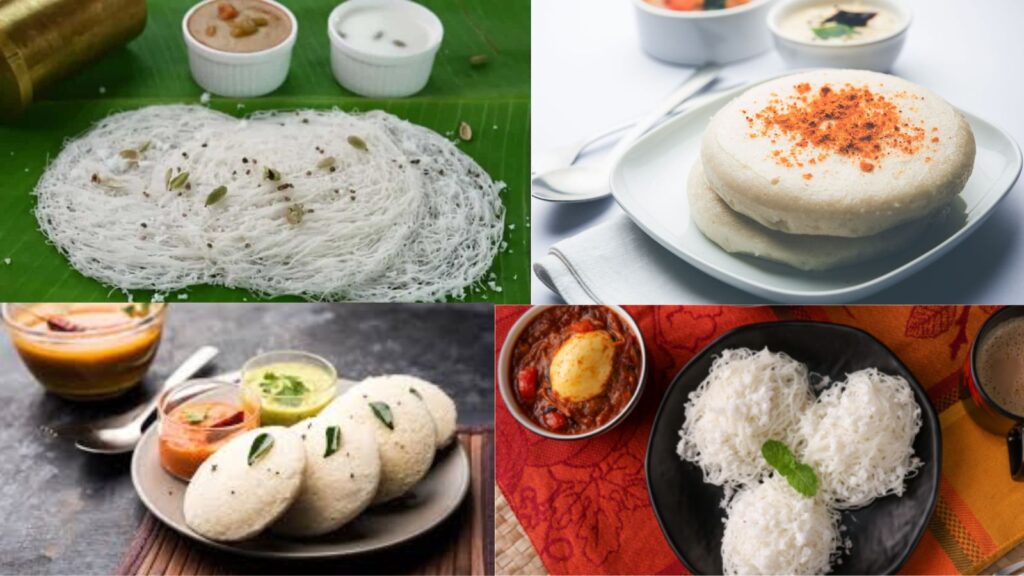
Idli is perhaps the most popular steamed breakfast of India. A staple in South Indian households, idlis are made from fermented rice and urad dal batter and steamed into soft, fluffy cakes. They are usually served with coconut chutney and sambar. Fermentation improves gut health and enhances nutrient absorption, making idli both tasty and beneficial.
Appe, also known as paniyaram or paddu, is another versatile dish. Traditionally prepared using fermented rice and lentil batter, it can also be made instantly using semolina and curd. Small portions of batter mixed with vegetables like onion, carrot, curry leaves, and spices are cooked in a special pan. Though a little oil is sometimes used, the dish remains lighter than most fried snacks.
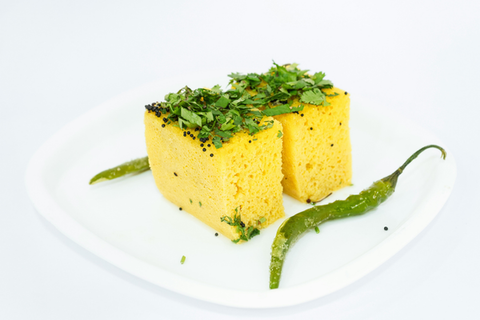
Dhokla is one of Gujarat’s most loved steamed breakfasts. Made from a batter of besan, sooji and curd, dhokla is fluffy, mildly tangy and high in protein. It is steamed and later tempered with mustard seeds, curry leaves, green chillies, sugar and water. Despite the tempering, the main dish remains light and digestion-friendly.
Another Gujarati speciality is muthiya, prepared using wheat flour, fenugreek leaves, bottle gourd and spices. These dumplings are steamed and later lightly tempered. They are fibre-rich and perfect for a wholesome breakfast.
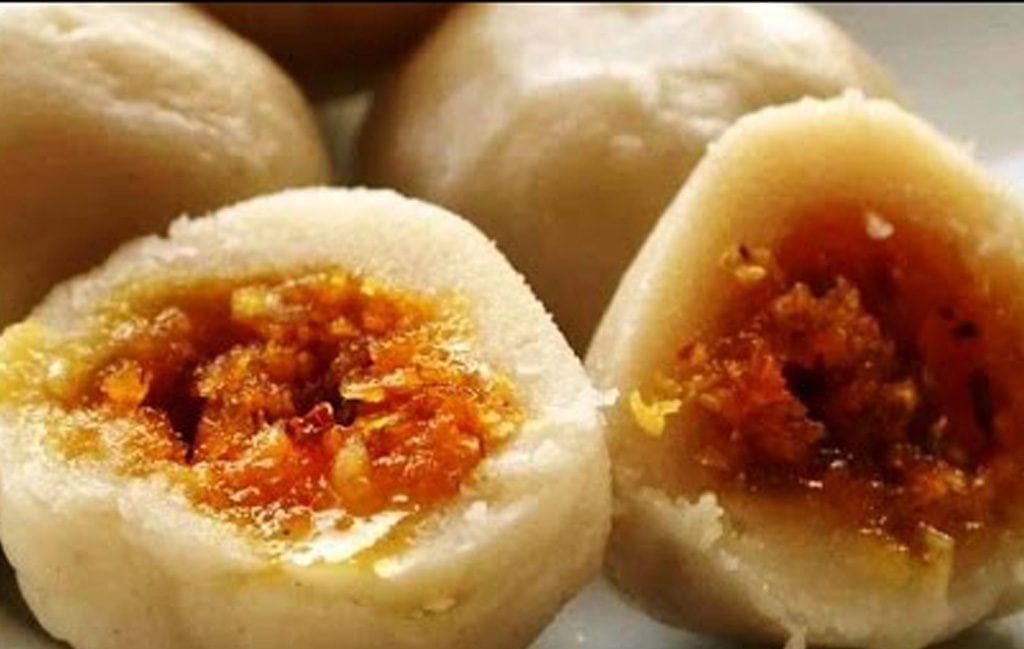
From Maharashtra comes modak, traditionally associated with Ganesh Chaturthi but equally suited for breakfast. Made from rice flour and stuffed with coconut, jaggery and nuts, steamed modaks provide natural energy and are free from refined sugar.

Kerala offers puttu, made using rice flour layered with coconut and steamed in cylindrical moulds. It is usually eaten with kadala curry or bananas. Puttu is filling, naturally gluten-free and packed with carbohydrates and healthy fats from coconut.
Kozhukatta or rice dumplings are another South Indian steamed delight, often filled with coconut and jaggery. Bengal has its own version called puli pitha, prepared during winter mornings and enjoyed as a warm, comforting breakfast.
From Karnataka comes akki rotti or steamed rava idli-style cakes made with rice flour or semolina, seasoned with cumin, green chillies and salt. These are commonly eaten with coconut chutney, ghee or spicy chutney pudi.
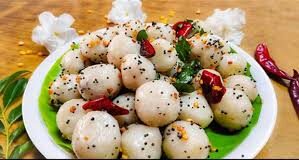
Uttar Pradesh contributes patra or alu vadi, made using colocasia leaves layered with besan and spices, rolled and steamed. Though often later shallow-fried, the steamed version itself is nutritious and rich in iron and fibre.
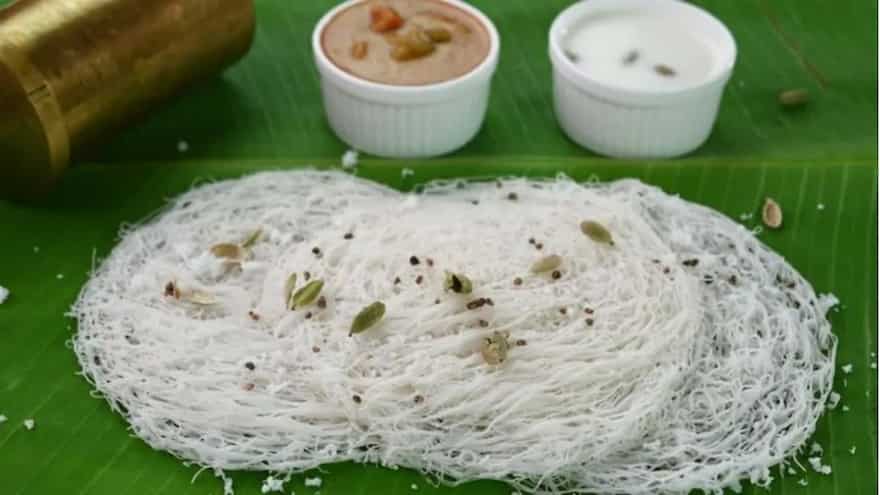
What makes these dishes special is that steaming preserves nutrients better than deep frying, avoids excess oil, and keeps calorie count lower. They also rely heavily on fermentation, whole grains, legumes and vegetables, which support digestion and long-term health.
Steamed breakfasts prove that Indian food can be both traditional and health-conscious. They are filling without being heavy, flavourful without being greasy, and deeply connected to regional culture.
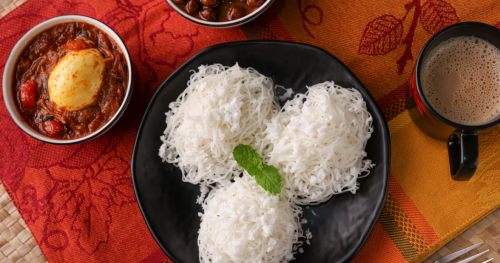
For anyone trying to eat lighter, manage weight, or simply bring more variety into their mornings, India’s steamed breakfast recipes offer the perfect balance between taste and nutrition.
Disclaimer: This article is for general awareness. Nutritional needs vary from person to person. Those with specific health conditions, allergies or dietary restrictions should consult a nutritionist or doctor before making major dietary changes.