Indian ₹200 And ₹500 Notes Now Valid In Nepal After 10 Years: Limits, Rules And Real Value Explained
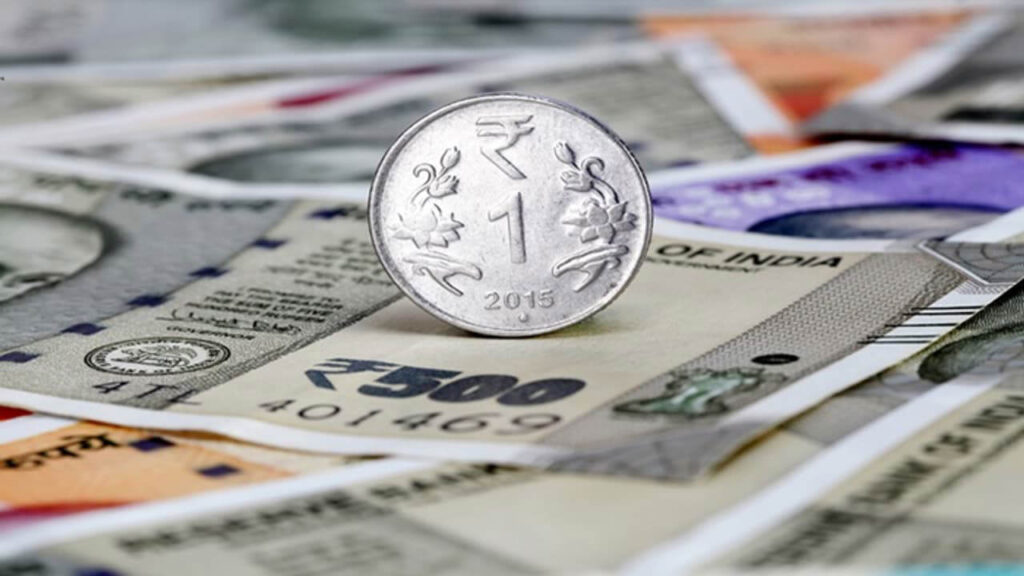
Indian ₹200 And ₹500 Notes Now Valid In Nepal After 10 Years: Limits, Rules And Real Value Explained
Nepal lifts a decade-old ban on high-denomination Indian currency, easing travel, trade and tourism between the two countries.
In a major relief for travellers, migrant workers and businesses, Nepal has officially lifted its long-standing ban on high-denomination Indian currency notes. Following a recent cabinet decision, Indian ₹200 and ₹500 notes can now be legally carried and used in Nepal, ending restrictions that had been in place for nearly a decade after demonetisation.
Under the new rule, individuals are allowed to carry Indian currency notes in denominations of ₹200 and ₹500 up to a maximum limit of ₹25,000 per person. This applies equally to Indian and Nepali citizens travelling between the two countries. The decision is expected to significantly ease cross-border movement, particularly for tourists and Nepali workers who earn their income in India.

The move comes after amendments to India’s Foreign Exchange Management (Export and Import of Currency) Regulations, 2015, which now permit Indian, Nepali and Bhutanese nationals to carry higher-denomination Indian banknotes while travelling to and from India. Nepal’s cabinet cleared the corresponding change, and once it is formally notified in the Nepal Gazette, the Nepal Rastra Bank is expected to issue a circular operationalising the decision.
Why this decision matters
After demonetisation, Nepal had imposed a strict ban on Indian currency notes above ₹100. While aimed at curbing illegal cash movement, the rule caused widespread hardship. Thousands of Nepali migrant workers returning from India were forced to carry large sums in low-denomination notes, increasing the risk of theft and harassment. In several cases, people were fined or even jailed for unknowingly carrying ₹500 notes.
Indian tourists also faced difficulties, particularly in border towns, hotels, casinos and local markets where high-value transactions became cumbersome. Tourism stakeholders have long argued that the restriction hurt Nepal’s hospitality sector, as Indian visitors could not spend freely.
The new decision is therefore seen as a corrective step that balances regulation with practical needs. Tourism operators expect increased spending by Indian visitors, while migrant workers will be able to carry their earnings more safely and conveniently.
How much are Indian notes worth in Nepal?
A common misconception among travellers is that the Indian rupee and Nepali rupee have the same value. In reality, the Nepali rupee is pegged differently.
According to Nepal Rastra Bank,
1 Indian rupee is approximately equal to 1.60 Nepali rupees.
This means:
₹100 (India) ≈ NPR 160
₹200 (India) ≈ NPR 320
₹500 (India) ≈ NPR 800
However, when exchanging money at banks or authorised exchange counters, service charges apply. As a result, travellers may receive slightly less than the theoretical rate. Typically, ₹200 may fetch around NPR 312–318 after charges, while ₹500 may be exchanged for approximately NPR 780–795.
What travellers should keep in mind
While the ban has been lifted, the ₹25,000 limit is strict. Carrying Indian currency beyond this threshold can still attract penalties. Travellers are advised to declare cash where required and use authorised banking or exchange channels for larger transactions.
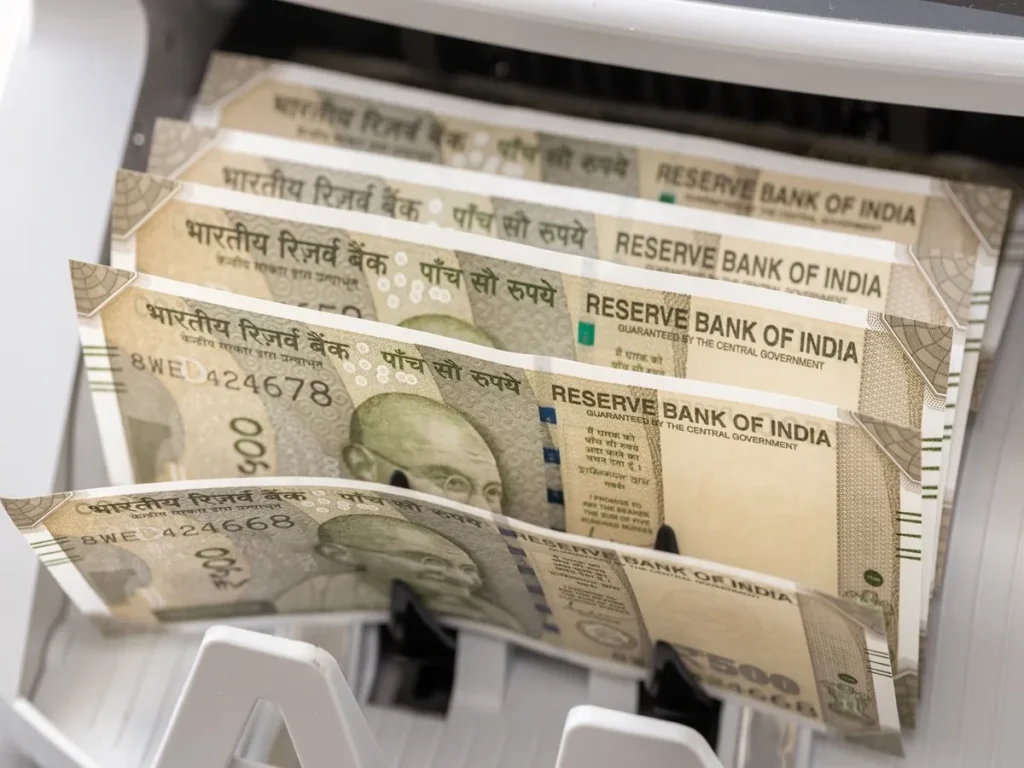
The acceptance of ₹200 and ₹500 notes is expected to bring greater clarity and reduce confusion at border points, where lack of awareness earlier often led to fines and legal trouble.
For Indians travelling to Nepal and Nepalis returning home from India, this decision marks a long-awaited easing of cash rules and is likely to strengthen people-to-people and economic ties between the two neighbours.
Disclaimer: This article is for general information only. Currency rules and exchange rates may change. Readers are advised to check official notifications and authorised sources before travelling.