India’s CCTV Rules Now in Effect from April 1, 2026: What You Need to Know
India’s CCTV Rules Now in Effect from April 1, 2026: What You Need to Know
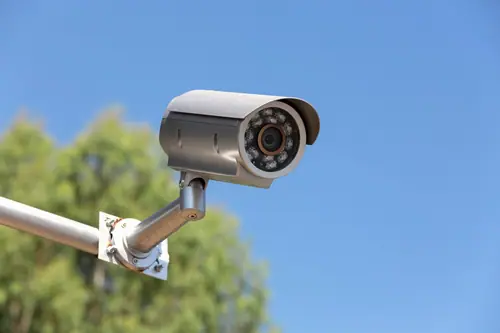
India has officially begun enforcing new regulations on CCTV cameras, marking a major step toward strengthening cybersecurity and reducing dependence on foreign surveillance equipment. These rules, which came into force on April 1, 2026, are part of a broader initiative to secure the country’s digital ecosystem and ensure greater transparency in connected devices.
As per the new framework, all internet-enabled CCTV cameras being sold in India must now receive certification under the Standardisation Testing and Quality Certification (STQC) system, governed by the Ministry of Electronics and Information Technology (MeitY). Manufacturers are required to disclose detailed information about the components used in their devices, especially the origin of key elements like the system-on-chip (SoC) or processor.
The certification process involves strict testing on multiple fronts. Devices are evaluated for their encryption standards, the source and reliability of their hardware, firmware security, and resistance to tampering. Additionally, authorities examine whether these cameras can be accessed remotely, ensuring that any potential cybersecurity risks are addressed before the products reach the market.

Notably, the rules apply to all internet-connected CCTV cameras, including those assembled within India. Any device that fails to meet the STQC standards will not be permitted for sale in the country.
The new regulations have a significant impact on several Chinese CCTV manufacturers that previously held a dominant share in India’s market. Companies such as Hikvision and Dahua are expected to face challenges adapting to the stricter compliance requirements.
For consumers who already own CCTV systems, there is no immediate disruption. The government has clarified that existing cameras will neither be seized nor deactivated. Homeowners and businesses can continue using their current devices without interruption. However, there could be some impact on future software updates and after-sales services, particularly for brands affected by the policy changes.
Meanwhile, Indian manufacturers have rapidly expanded their presence. Brands like CP Plus, Prama, Quobo, Matrix, and Sparsh have significantly increased production and now account for a major share of the market.
That said, the shift may lead to higher costs for buyers. With fewer suppliers and additional compliance requirements, prices—especially in the mid-range and premium segments—are likely to rise.