India’s Footwear City With Heritage Dating Back To Mughal Era
India's Footwear City With Heritage Dating Back To Mughal Era
Beyond the Taj Mahal, Agra supplies 65-70% of India’s domestic footwear demand and accounts for 30% of the country’s leather shoe exports, earning its unique title through centuries of craftsmanship
While Agra remains globally renowned as home to the Taj Mahal, the historic city holds another significant identity often overshadowed by its architectural wonder. Known as the Footwear City of India, Agra serves as the nation’s largest shoe manufacturing hub, with a thriving leather industry that traces its roots to the Mughal era and continues supporting millions of livelihoods today.
Why Cities Earn Special Nicknames
Indian cities frequently receive distinctive nicknames based on particular products, industries, or cultural features that define their identity. These titles serve practical purposes beyond mere recognition. They help promote local industries, attract tourism, and preserve historical legacies associated with specific places. Such nicknames make it easier for people to remember each city’s specialty and economic contributions to the nation.

Agra’s Dominant Position In Footwear Manufacturing
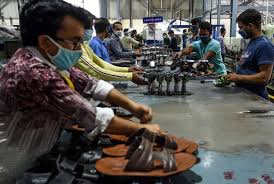
Agra produces between 300,000 to 500,000 pairs of footwear daily through approximately 250 mechanized and semi-mechanized units alongside 5,000 cottage industries. This massive production capacity enables the city to meet 65 to 70 percent of India’s total domestic footwear requirements. Additionally, Agra accounts for 30 percent of the country’s leather footwear exports, with products reaching markets across the United States, United Kingdom, Germany, France, Italy, Russia, Canada, Netherlands, South Africa, and Spain.
The city houses around 5,000 footwear stores serving diverse customer preferences. The industry employs approximately 2 million workers directly, with an additional 200,000 engaged in related activities. About 75,000 people work in registered firms, while 125,000 find employment in unregistered units. Nearly 60 percent of Agra’s population depends on the footwear trade for their livelihoods, particularly in handmade cottage footwear production.
Agra’s annual footwear business exceeds USD 100 million, with total production valued at approximately Rs 470 crore. Most of the world’s top footwear brands source products from Agra manufacturers, recognizing the quality and craftsmanship the city offers.
Heritage Dating To Mughal Times
The footwear industry in Agra possesses deep historical roots extending back to the 15th century during the Mughal period. Skilled artisans during that era supplied the royal court with fine leather goods including armor, saddles, and footwear. These craftsmen passed their specialized knowledge from one generation to the next, creating a continuous tradition of leather working that persists today.
Many families in Agra continue this traditional craft, keeping centuries-old techniques alive while adapting to modern manufacturing methods. The combination of heritage craftsmanship with contemporary technology gives Agra footwear its distinctive quality recognized worldwide.
Diverse Product Range
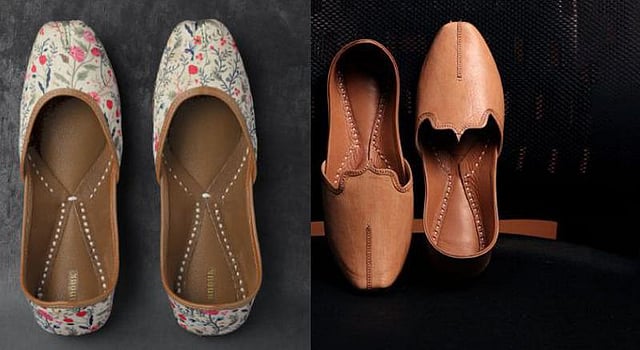
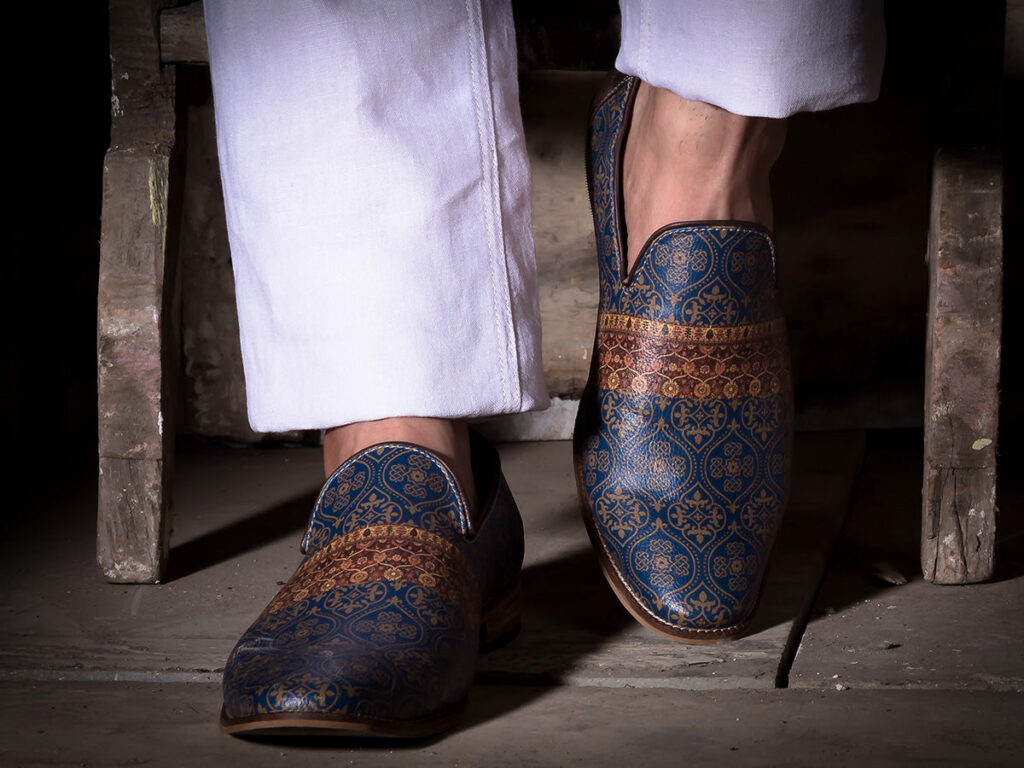
Agra manufacturers produce various types of footwear for men, women, and children using sheep, buffalo, and goat leather. The product range includes moccasins, derby shoes, traditional gloves, sandals, casual footwear, and formal shoes. The city particularly excels in closed footwear and shoe uppers manufactured on a large scale for major footwear brands.
Beyond shoes, Agra has developed capacity in leather accessories including suitcases, belts, ladies’ purses, bags, and other goods. While these products remain less significant than footwear, they represent growing diversification within the leather industry.
Industry Structure And Organization
Agra’s footwear sector comprises a mixture of small-scale cottage units, medium-sized enterprises, and large registered companies using mechanical equipment. This diverse structure provides flexibility in production capacity, allowing the industry to serve both domestic retailers and international exporters with varying order sizes.
The Agra Footwear Manufacturers and Exporters Chamber serves as the primary industry association, representing and promoting interests of the footwear sector domestically and internationally. The organization hosts the annual Meet at Agra trade fair, which brings together manufacturers, suppliers, technology providers, and decision-makers from business and government.
Meet At Agra: Premier Industry Event
The Meet at Agra international trade fair for the footwear and leather goods industry has been held annually in November since 2007 at the Agra Trade Centre. The 18th edition took place from November 7-9, 2025, showcasing innovations and advancements in leather, footwear components, and technology.
The fair establishes India’s leading platform for the complete value chain of footwear and leather manufacturing. Exhibitors represent mechanical engineering, component manufacturing, design, chemicals, and accessories. The trade audience comprises professionals from footwear manufacturing, retail, global sourcing, investment, and policy advisory roles.
A key feature of the fair involves direct matchmaking between international buyers and Indian producers, facilitating business connections that drive exports and industry growth. The event also provides opportunities for collaboration between industry and policymakers on frameworks, operational processes, and long-term strategies for sector development.
Government Support And Infrastructure
Recognizing the importance of Agra’s footwear industry, the Government of India established several institutions to support sector growth. These include technical training centers, design institutes, and the Uttar Pradesh State Leather Development and Marketing Corporation. These organizations provide skilled manpower, state-of-the-art technology, technical knowledge, and in-depth design expertise to industry professionals.
Training institutes in Agra offer various courses teaching the art of shoemaking to fresh students, who later serve the city’s footwear industry with updated skills and knowledge. This continuous skill development ensures the industry maintains quality standards and adapts to changing market demands.
Environmental Challenges
While leather tanneries once operated in Agra for processing raw materials, all tanneries closed under environmental regulations imposed by the Pollution Control Act. This closure pushed the industry to source processed leather from other regions, adding to production costs but ensuring compliance with environmental standards.
Other Important Footwear Centers
While Agra leads India’s footwear manufacturing, two other cities play significant roles in the sector. Kanpur, also in Uttar Pradesh, specializes in safety shoes used in industries and factories. These heavy-duty shoes are exported worldwide due to their durability and quality standards required for industrial applications.
Chennai serves as another major hub for leather footwear production and exports. The city benefits from proximity to leather processing facilities in Tamil Nadu and Karnataka, along with well-established export infrastructure through its port and international airport.
Economic Significance
The leather industry occupies a prominent position in India’s economy, ranking as the nation’s sixth-highest foreign exchange earner and accounting for 4-5 percent of total exports. The footwear segment represents a major component of this industry, with Agra serving as the primary production center driving growth and employment.
The concentration of footwear manufacturing in Agra creates a complete ecosystem supporting the industry. Suppliers of components, machinery, chemicals, adhesives, and accessories cluster around shoe manufacturers, creating efficiency in production and logistics. This ecosystem attracts both domestic entrepreneurs and international buyers seeking reliable sourcing partners.
Legacy Meets Modernity
Agra’s identity as the Footwear City demonstrates how traditional industries can thrive in modern India while preserving cultural heritage. The city successfully balances centuries-old craftsmanship with contemporary manufacturing technology, creating products that compete globally on quality and price.
As international brands increasingly recognize Agra as a reliable sourcing destination, the city’s footwear industry continues expanding capacity and improving standards. The annual trade fairs, government support, and strong industry associations position Agra to maintain its leadership in India’s footwear sector for generations to come, ensuring this historic craft continues enriching both the local economy and India’s export earnings.