India’s Over-Reliance On HbA1c Test May Delay Diabetes Diagnosis By Years: Study Warns
India’s Over-Reliance On HbA1c Test May Delay Diabetes Diagnosis By Years: Study Warns
Researchers say anaemia, inherited blood disorders and lab variations can distort HbA1c readings, risking underdiagnosis and mismanagement.
India’s heavy dependence on the HbA1c blood test alone for diagnosing and monitoring type-2 diabetes could lead to delayed detection, incorrect classification and avoidable complications for millions, according to a new India-focused study published in The Lancet Regional Health–Southeast Asia.
The study, titled “The limitations and fallacies of relying on glycosylated haemoglobin for diagnosing and monitoring diabetes in Indian populations,” highlights that HbA1c results can be significantly distorted in groups where anaemia, inherited haemoglobin disorders and glucose-6-phosphate dehydrogenase (G6PD) deficiency are common.
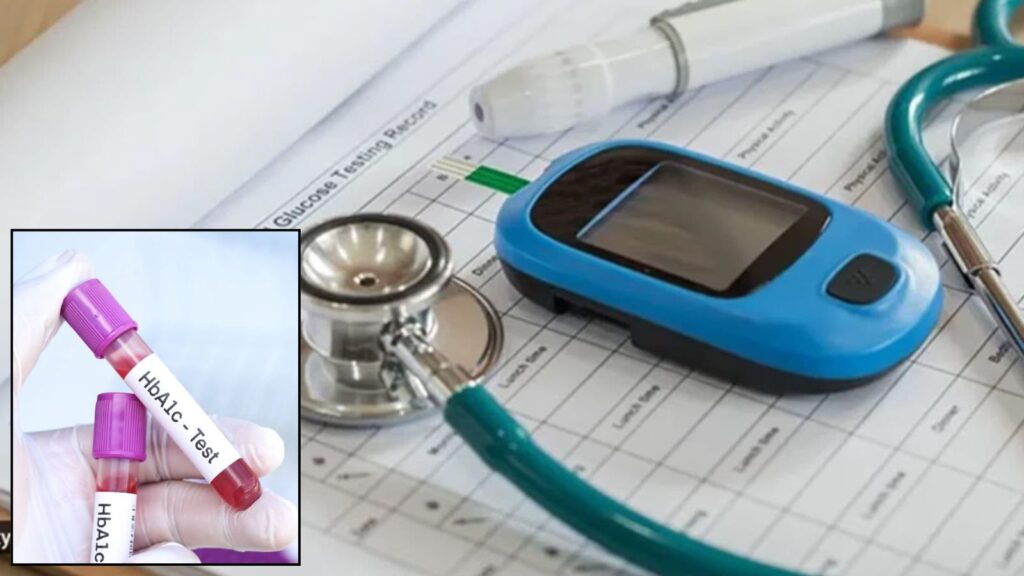
HbA1c measures the percentage of haemoglobin coated with glucose, reflecting average blood sugar levels over the past two to three months. While levels below 5.7% are considered normal, and 6.5% or above indicates diabetes, researchers caution that these cut-offs may not always be reliable in Indian populations.

“Relying exclusively on HbA1c can result in misclassification of diabetes status,” said Professor Anoop Misra, corresponding author and Chairman of Fortis C-DOC Center of Excellence for Diabetes. He warned that some individuals may be diagnosed much later than appropriate, while others could even be misdiagnosed, affecting timely treatment and monitoring.
A key concern raised is India’s high burden of nutritional iron-deficiency anaemia. In some regions, more than half the population may be affected, which can artificially alter HbA1c readings. The test may either under- or overestimate blood glucose levels, particularly in communities with abnormal haemoglobin conditions or enzyme-related disorders.
The study notes that in men with undetected G6PD deficiency, exclusive reliance on HbA1c could delay diabetes diagnosis by up to four years, potentially increasing the risk of long-term complications such as kidney disease, nerve damage and cardiovascular problems.
Experts also pointed out that the issue is not limited to rural or under-resourced settings. Dr Shashank R Joshi, endocrinologist and co-author from Mumbai, said HbA1c readings can be influenced even in well-equipped urban hospitals because red blood cell variations and inherited disorders remain widespread.
The researchers further warned that inconsistent laboratory quality control across India can add another layer of uncertainty, making interpretation challenging for clinicians.
Beyond individual care, the study raises a public health concern: national diabetes prevalence surveys based mainly on HbA1c may misrepresent India’s true diabetes burden, leading to flawed planning and misallocation of healthcare resources.
Calling for a change in diagnostic strategy, Dr Shambo Samrat Samajdar from Kolkata stressed the need for multiple tools. He said combining oral glucose tolerance tests, fasting glucose, self-monitoring and haematological assessments would provide a more accurate picture of diabetes risk and improve both treatment and policy planning.
The study’s authors, including experts from AIIMS and leading diabetes centres, recommend a resource-adapted framework for India that does not rely solely on HbA1c, especially in populations vulnerable to anaemia and blood disorders.
Disclaimer: This article is for general awareness only and should not be treated as medical advice.