India’s Traffic Gridlock Debate Reaches Parliament as Raghav Chadha Calls for Urgent Urban Mobility Overhaul
India’s Traffic Gridlock Debate Reaches Parliament as Raghav Chadha Calls for Urgent Urban Mobility Overhaul
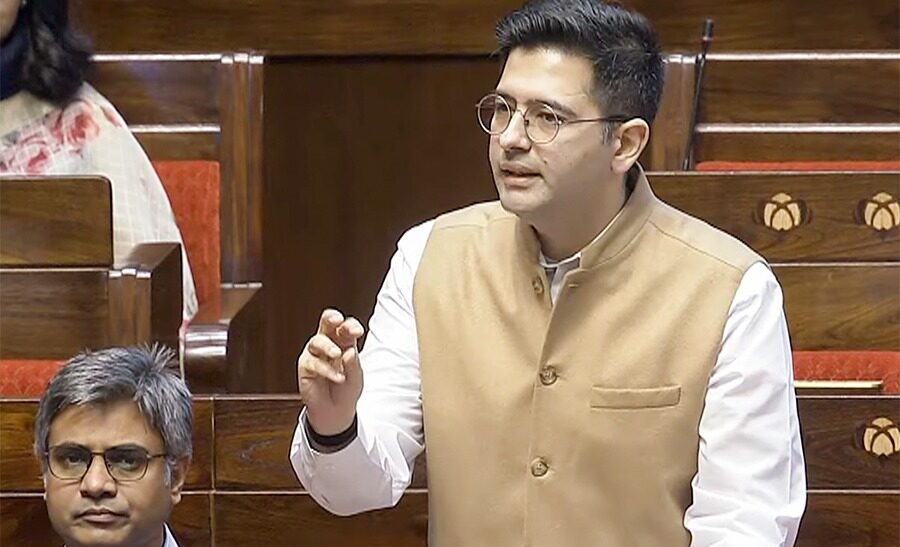
India’s worsening urban traffic crisis is no longer just a daily frustration for commuters—it has now become a national policy concern. Raising the issue in Parliament, Raghav Chadha highlighted how millions of people across major cities are losing valuable hours each year, not moving, but simply sitting in traffic.
Drawing attention to alarming data, the Aam Aadmi Party MP pointed out that cities like Bengaluru, Pune, Mumbai, Delhi, Kolkata, and Chennai are increasingly resembling “giant parking lots,” where commuters remain stuck for hours daily.
Hours Lost to Congestion
Referring to findings from the TomTom Traffic Index 2025, Chadha noted that urban commuters in these metro cities spend between 100 and 168 hours annually stuck in traffic. Bengaluru ranks second globally, with commuters losing around 168 hours each year, while Pune stands fifth with approximately 158 hours. Delhi residents, too, spend over 100 hours annually in similar conditions.

He emphasized that this is not actual travel time but idle time lost in congestion—an invisible drain on productivity, fuel, and overall quality of life. According to him, every hour wasted in traffic represents a direct setback to the country’s economic efficiency.
Traffic has turned our metro cities into giant parking lots with people trapped inside them.
— Raghav Chadha (@raghav_chadha) March 27, 2026
In Bengaluru, Pune, Mumbai, Kolkata, Delhi and Chennai, on average a commuter spends 100 to 168 hours a year stuck in traffic . Not commuting. Just sitting.
Every hour lost is an hour… pic.twitter.com/25ljpjNnme
Economic and Policy Concerns
Highlighting the broader impact, Chadha cited global studies indicating that traffic congestion leads to economic losses worth $20–30 billion annually due to fuel wastage and reduced productivity. To tackle this, he proposed the creation of a National Urban Decongestion Mission.
His recommendations included:
- Strengthening and expanding public transport systems
- Implementing smarter traffic management technologies
- Introducing scientific and regulated parking policies
He stressed that unless cities improve mobility, India’s economic growth ambitions could face significant roadblocks.
Everyday Reality of Commuters
The issue is not theoretical—it plays out daily on the ground. A recent example was a massive traffic jam on the Mumbai–Pune Expressway near Lonavala, where vehicles were stuck for kilometres, barely moving for hours.
Rush hour congestion is now routine across major metros, where even short distances can take an unexpectedly long time to cover. Conditions worsen further during monsoon seasons, as waterlogged roads add to delays and chaos.
The Hidden Health Costs
Beyond lost time and money, traffic congestion is also taking a serious toll on public health.
- Respiratory and Heart Risks: Prolonged exposure to vehicle emissions, including nitrogen dioxide and fine particulate matter, can trigger inflammation, increasing the risk of asthma, strokes, and cardiovascular diseases.
- Stress and Mental Strain: Constant braking, honking, and the feeling of being trapped elevate stress hormones like cortisol and adrenaline, contributing to long-term issues such as high blood pressure and burnout.
- Physical Discomfort: Sitting for extended periods in cramped conditions often leads to chronic back and neck pain, adding to overall discomfort and fatigue.