From Balconies to Parking Spots: How RWAs Are Turning Daily Living Into a Fineable Offence
From Balconies to Parking Spots: How RWAs Are Turning Daily Living Into a Fineable Offence
Stepping out for routine activities or managing everyday chores inside housing societies is increasingly becoming a costly affair for many residents. Across several urban residential complexes, Resident Welfare Associations (RWAs) are tightening rules and attaching monetary penalties to even the smallest infractions—leaving residents frustrated and, at times, feeling powerless.
Take the case of a Gurugram resident who nearly had to pay ₹500 simply for walking her dog. The trouble began when her pet relieved itself outside a designated area, prompting another resident to escalate the issue to the RWA. She managed to avoid the fine only because she cleaned up immediately. Incidents like this are becoming more common, where even entering a lift with a pet or minor lapses can attract penalties.
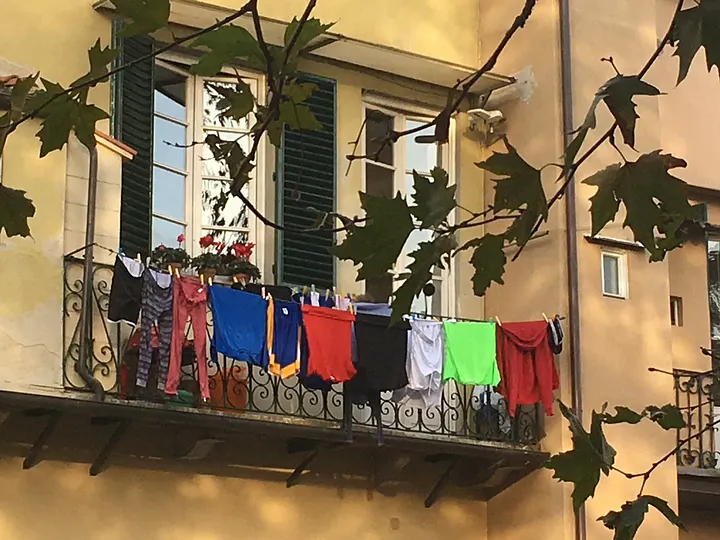
Residents say such rules are not just strict but often inconsistent and financially motivated. Everyday actions—drying clothes on balconies, making noise at certain hours, or even minor maintenance work—are now being monitored and penalised. What used to be simple inconveniences are turning into billable violations, adding to tensions within communities.

In some cases, the situation has gone further. A Bengaluru housing society’s RWA was booked by the police in December 2025 after collecting around ₹3.3 lakh in fines over just two months. Residents alleged that hefty charges—ranging from ₹10,000 to ₹30,000—were imposed for alleged activities inside private homes, with threats of police complaints used to pressure payment.
Legally, RWAs operate under frameworks such as cooperative housing laws and apartment ownership acts. However, they cannot impose arbitrary penalties unless such provisions are formally included in approved by-laws. In practice, though, many associations enforce their own rules under loosely defined “codes of conduct,” often leaving residents unsure of their rights.
For tenants and new residents, adjusting to these rules can be particularly difficult. One Noida resident recounted being fined ₹500 for using a drill on a Saturday afternoon to hang pictures, as it violated a society rule against renovation work during certain hours. With limited time on weekdays and restrictions on weekends, residents question how they are expected to manage basic home tasks.
Moving homes within such societies can also come with unexpected costs. Some complexes restrict shifting activities to specific hours, while others impose steep “lift usage” charges that can go as high as ₹10,000.
While gated communities offer security and amenities, critics argue that they are increasingly being run like controlled zones where a few individuals dictate terms. Residents have also raised concerns about restrictions on using personal spaces—such as bans on drying clothes on balconies or installing air conditioners due to aesthetic concerns.
Utility-related rules add another layer of complexity. In some societies, even having guests stay over can lead to extra charges. One resident shared that he was billed ₹1,000 for additional water usage when a family member stayed with him for a week.
Pet-related regulations have also sparked debate. In certain cases, residents have been fined heavily for feeding stray animals in non-designated areas. Reports have even emerged of enforcement measures involving hired personnel to ensure compliance. While some justify such rules as necessary for safety, others argue they are excessive and unfair.
Parking is another area where RWAs are exercising tight control. Visitor parking limits, overnight charges, and even vehicle clamping for alleged violations are becoming common. In one instance, a resident found his car clamped overnight and had to pay ₹500 to have it released, despite using the same parking spot for months.
A major concern among residents is the lack of clarity and prior notice. Many rules are either poorly communicated or not formally documented, yet penalties are enforced strictly. In urgent situations, residents often feel compelled to pay fines without protest to avoid further inconvenience.
As these practices become more widespread, questions are being raised about accountability and oversight. While RWAs play an important role in managing residential communities, the growing trend of monetising rules is blurring the line between governance and overreach.
For many residents, the dream of living in well-managed, secure societies is increasingly accompanied by a sense of restriction. The challenge now lies in finding a balance—where order and discipline do not come at the cost of fairness, transparency, and the basic freedom to live comfortably in one’s own home.