Is Rooftop Solar a Smart Investment for Middle-Class Homes? Understanding the Real Savings
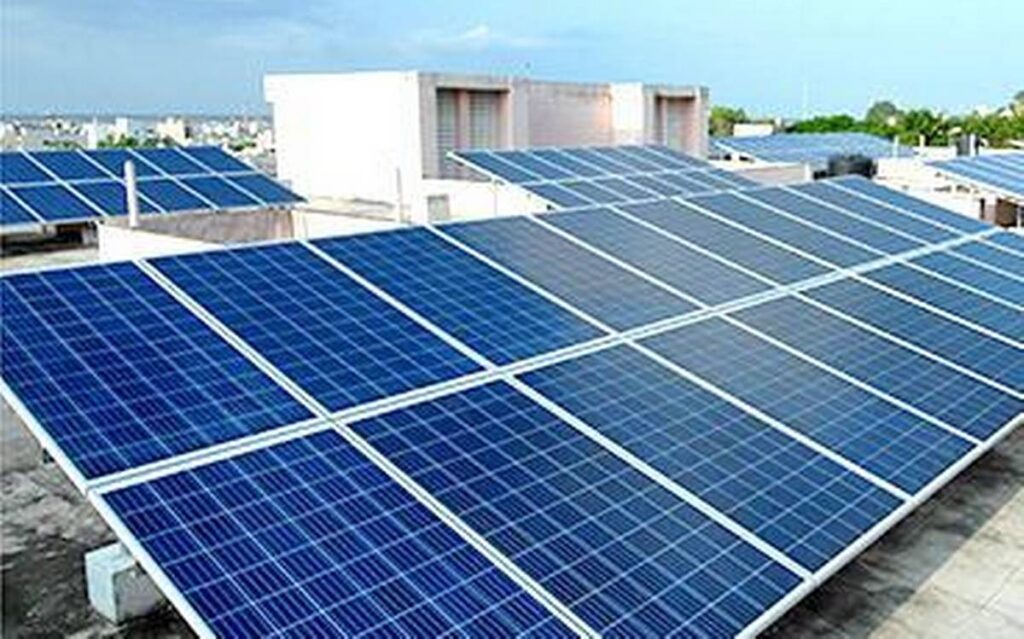
Is Rooftop Solar a Smart Investment for Middle-Class Homes? Understanding the Real Savings
Electricity bills are becoming a bigger burden for many middle-class families, especially in cities where power consumption rises every summer. Because of this, rooftop solar is no longer seen only as an eco-friendly choice — it is increasingly being viewed as a practical financial decision.
The biggest reason behind the growing interest is simple: homeowners can invest once in a solar setup and then reduce electricity expenses for years. With power tariffs increasing regularly and government subsidies lowering installation costs, rooftop solar is starting to look far more affordable than it did a few years ago.

Experts in the solar industry say most residential rooftop systems in India recover their cost within a few years. After that, households continue enjoying major savings on electricity for nearly two decades or more.

How Rooftop Solar Actually Saves Money
The financial benefits of rooftop solar mainly depend on four things:
- Total installation cost
- Government subsidy amount
- Monthly electricity usage
- Local electricity tariff rates
For most urban households consuming around 350 to 600 units of electricity every month, installers generally recommend a 3 kW to 5 kW solar system.
On average, every 1 kW rooftop solar setup in India can produce close to 1,350 to 1,500 units of electricity annually, depending on location and weather conditions.
That means:
- A 3 kW system may generate around 4,000 to 4,500 units every year
- A 5 kW system can produce nearly 6,800 to 7,400 units annually
Families paying electricity rates between Rs 8 and Rs 11 per unit can save a substantial amount every year through solar generation. A household spending roughly Rs 4,000-6,000 monthly on electricity could end up paying several lakhs over the next 20-25 years if tariffs continue rising.
Solar companies argue that a properly designed rooftop system can offset a large share of these long-term costs.
Subsidies Are Reducing the Initial Burden
One of the biggest reasons people delayed rooftop solar earlier was the high upfront investment. Government incentives are now helping reduce that concern.
Under the PM Surya Ghar: Muft Bijli Yojana, eligible households can receive subsidies of up to Rs 78,000 for residential rooftop solar systems.
Several states are also offering additional financial support. For example:
- Uttar Pradesh provides extra incentives up to Rs 30,000
- Delhi offers additional support of nearly Rs 30,000
- Assam provides subsidies reaching around Rs 45,000
Combined with falling solar equipment prices, these incentives have improved affordability for middle-class buyers.
Why the Payback Period Matters
The most important calculation in rooftop solar is the payback period — the time required to recover the installation cost through electricity bill savings.
For many households, this recovery period is estimated at around 4 to 6 years, depending on system size and electricity usage.
After recovering the investment, the electricity generated by the system becomes almost free apart from basic maintenance expenses. Since most quality solar panels are designed to last over 25 years, homeowners can continue benefiting from reduced bills for a very long time.
This is what makes rooftop solar different from many other household purchases. Instead of losing value over time, it keeps generating financial savings month after month.
Choosing the Right Solar System Is Important
Industry experts say the quality of installation plays a huge role in long-term returns. Going for the cheapest option may not always deliver the best results.
Homeowners are advised to check:
- Whether the installer offers generation guarantees
- If proper shadow analysis has been done
- The durability of mounting structures
- Panel quality and certification standards
- Long-term maintenance and after-sales support
The system size also needs careful planning. Installing a system larger than required increases costs unnecessarily, while a smaller setup may not provide enough savings. Experts recommend reviewing at least 12 months of electricity bills before deciding the capacity.
Does Rainy Weather Affect Savings?
Many people worry that monsoon seasons reduce the effectiveness of rooftop solar. However, solar companies say annual production estimates already consider seasonal weather changes.
Electricity generation usually drops during cloudy and rainy months, but stronger summer output balances it over the year. Because of this, the overall savings calculations generally remain stable.
A Long-Term Shield Against Rising Electricity Prices
One often overlooked advantage of rooftop solar is protection from future electricity tariff hikes.
Grid power costs usually increase every few years, but once a rooftop solar system is installed, a large portion of household electricity becomes self-generated. This helps families control long-term energy expenses.
As tariffs rise over time, the value of solar savings also grows automatically. For many middle-class homeowners, rooftop solar is slowly becoming more than just an energy solution — it is turning into a long-term financial asset that can deliver savings for decades.
Disclaimer: This article is intended for informational purposes only. The calculations, examples, and estimates mentioned are indicative in nature and should not be considered financial, technical, or investment advice. Readers should conduct their own research and consult professionals before making any rooftop solar purchase decision.