Karnataka Government Moves to Ban Pigeon Feeding in Public Spaces Over Health Concerns
Karnataka Government Moves to Ban Pigeon Feeding in Public Spaces Over Health Concerns
Concerned over the growing health risks linked to pigeon populations in cities, the Karnataka government has announced strict measures to regulate and, in several cases, prohibit the feeding of pigeons in public areas. The decision follows reports indicating a steady rise in diseases associated with bird droppings, feathers, and urine, particularly in densely populated urban centres.
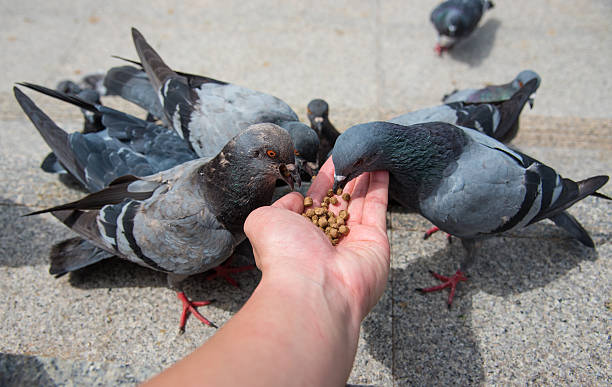
According to the state Health and Family Welfare Department, indiscriminate feeding of pigeons has resulted in a rapid and uncontrolled increase in their numbers. Large flocks gathering at the same spots have led to the accumulation of droppings, creating unhygienic conditions and increasing the spread of infections. Medical experts have warned that prolonged exposure to pigeon waste can trigger respiratory problems and serious lung-related illnesses, including hypersensitivity pneumonitis.
In response, the government has issued fresh regulatory guidelines, making it clear that feeding pigeons in locations where it causes inconvenience to the public or poses a health hazard will not be permitted. Individuals found violating the ban may face legal action, with offences treated as acts of negligence. Penalties could include fines as well as imprisonment of up to six months, depending on the severity of the violation.

The Health Department has instructed the Urban Development Department to ensure implementation of these measures through the Greater Bengaluru Authority (GBA) and all municipal corporations across the state. Among the key steps outlined are a complete ban on pigeon feeding in high-risk or nuisance-prone areas, the introduction of clearly identified feeding zones, and strict control over feeding times to prevent large gatherings of birds.
Feeding, where allowed, will be restricted to designated locations only and subject to specific conditions. The responsibility for managing and maintaining these feeding zones, as well as ensuring adherence to rules, will rest with recognised non-governmental organisations and charitable groups. Authorities believe this controlled approach will help balance public health concerns with animal welfare.
Enforcement is set to be firm. Officials have been directed to issue on-the-spot warnings, impose fines, and initiate prosecution when required. Action may be taken under the Bharatiya Nyaya Sanhita (BNS), which includes provisions related to public nuisance and acts that can spread infectious diseases. Under existing laws, penalties can range from monetary fines to imprisonment of up to two years.
The government has also cited legal precedent to support its move. A similar intervention by the Bombay High Court had earlier prompted the Greater Mumbai Corporation to shut down pigeon-feeding enclosures, or kabutarkhanas, to address public health complaints.
In addition to the BNS 2023, officials pointed out that local authorities already have sufficient powers under the Greater Bengaluru Authority Act, 2025, and the Karnataka Municipal Corporations Act, 1976, to take necessary action to safeguard public health and hygiene.