Kolhapur: No Entry In Shorts, Ripped Jeans Or Sleeveless Clothing At Mahalaxmi And Jyotiba Temples
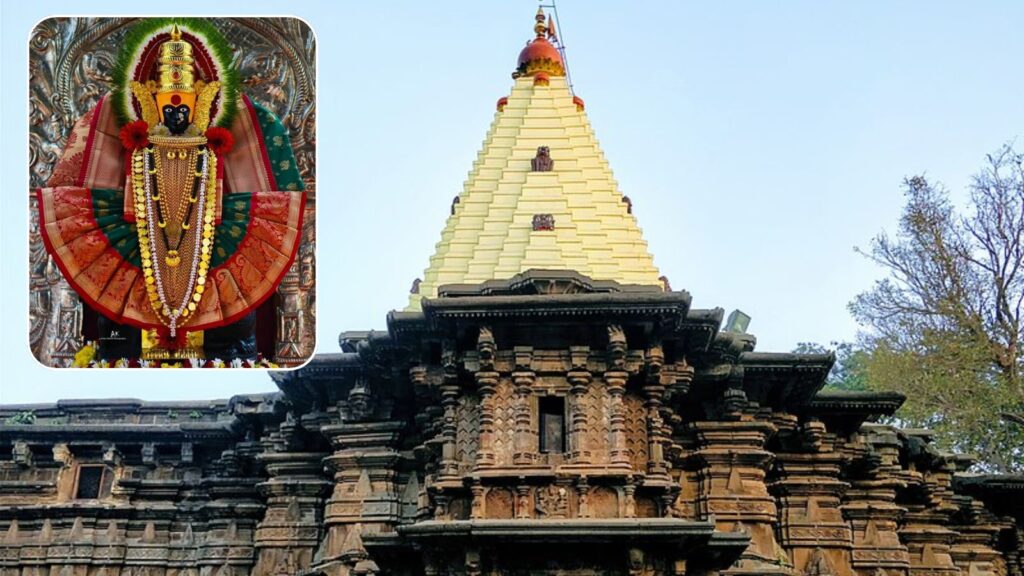
Kolhapur: No Entry In Shorts, Ripped Jeans Or Sleeveless Clothing At Mahalaxmi And Jyotiba Temples
The well-known Mahalaxmi (Ambabai) and Jyotiba temples in Maharashtra have reintroduced restrictions on devotees wearing revealing or inappropriate clothing. According to the Paschim Maharashtra Devasthan Samiti (PMDS), visitors dressed in ripped jeans, transparent outfits, shorts, short skirts, or sleeveless clothing will not be permitted to enter the temple premises.
This move aligns with similar dress code rules already implemented at other temples in the state, including the Shri Tulja Bhavani temple in Tuljapur, where the Maharashtra Mandir Mahasangh has also taken steps to uphold the sanctity of these religious places.
PMDS secretary Shivraj Naikawade stated that the decision was made in response to repeated requests from devotees who felt casual or revealing clothing was not appropriate in a sacred setting. “The intention is to ensure that visitors respect cultural norms and the sacredness of the temples,” he explained.

While the dress code was first introduced in 2021, Naikawade acknowledged that enforcement had recently become more relaxed, prompting complaints. To address this, temple authorities have now directed nearby shopkeepers to keep traditional clothing known as ‘Sovala’ available for those who arrive unaware of the dress code. Visitors who refuse to wear the Sovala or other modest attire will be denied entry.
Sovala is considered traditional temple wear: a dhoti and uparna (shawl) for men, and a non-transparent saree for women. It is already mandatory for priests entering the sanctum and for devotees participating in rituals like abhishek puja.
Local devotee and activist commented, “This isn’t a new rule. It has existed, and most devotees follow it. However, I feel this renewed focus on dress code is a distraction from larger issues — like the administration’s failure to provide basic amenities such as clean drinking water, toilets, and parking. Constant talk about dress code draws attention away from the real problems faced by visitors.”