Liquor Prices Rise After Budget 2026: ₹1,000 Bottle May Now Cost Up To ₹….?.Read On
Liquor Prices Rise After Budget 2026: ₹1,000 Bottle May Now Cost Up To ₹....?.Read On
Tax changes push up alcohol prices, with final rates set to vary across states
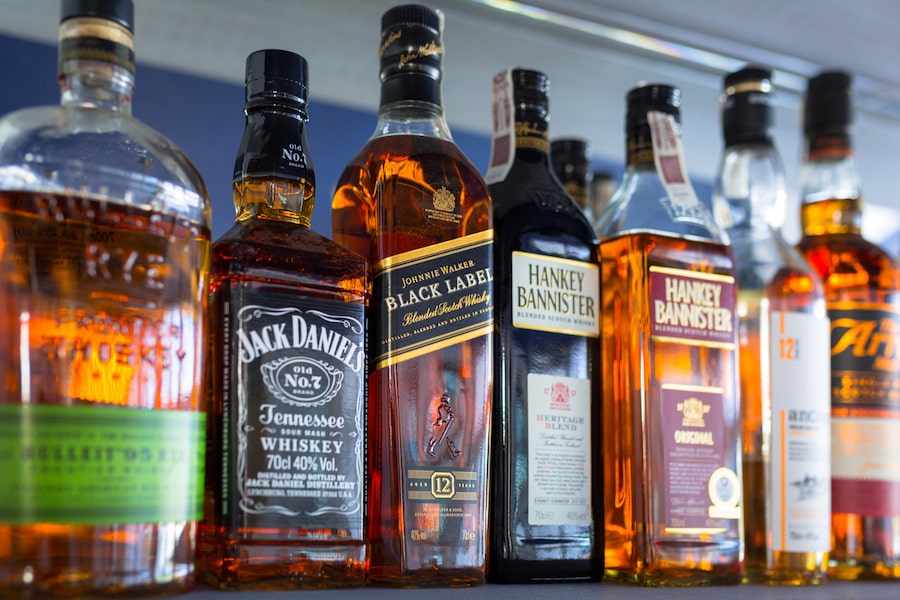
Alcohol has become more expensive following key announcements in the Union Budget 2026–27, with drinkers likely to feel the pinch in the coming weeks. Changes in tax structures and duties mean that a liquor bottle which earlier cost ₹1,000 could now be priced between ₹1,050 and ₹1,100, or even higher in some states.
According to details emerging from the Budget, the increase is largely driven by higher indirect taxes and changes in the way alcohol sales are taxed. One of the most significant changes is the hike in Tax Collected at Source (TCS) on the sale of alcohol for human consumption. The TCS rate has been increased from 1 per cent to 2 per cent, immediately adding to the cost burden on consumers.
In addition to TCS, customs duties and other indirect taxes on alcohol have also been revised. While alcohol taxation largely falls under the jurisdiction of state governments, central-level changes often influence the overall pricing structure. As a result, even before states announce any revisions in excise duty, consumers are likely to see higher prices at retail outlets.
Industry experts suggest that, on average, the price increase could range from ₹50 to ₹100 per bottle, depending on the category of liquor and the state in which it is sold. Premium and imported alcohol brands are expected to be hit harder, especially in major cities, where taxes and margins are already higher. In contrast, lower-priced or locally produced liquor may see relatively smaller hikes, though prices are still expected to rise.
Another important factor is state excise duty. Since excise on alcohol is decided by individual states, the final retail price will vary widely across the country. In past instances, some states have implemented steep excise hikes following budgetary changes, leading to price increases of 30 to 50 per cent or more. Whether similar sharp hikes will follow this time remains to be seen, but state governments are expected to review their excise policies in the coming weeks.
Experts also point out that higher liquor prices may influence consumer behaviour. Some buyers may shift towards cheaper brands or reduce consumption, while others may absorb the increase, particularly in urban areas where demand for premium alcohol remains strong. Bars and restaurants, too, may revise menu prices to factor in higher procurement costs.
The price rise comes at a time when the Budget has offered relief on several other consumer goods, creating mixed reactions among households. While items such as certain electronics, medicines, and essential goods have become cheaper, alcohol and tobacco products have clearly moved in the opposite direction.
With summer approaching and social occasions on the rise, the timing of the hike is likely to be keenly felt by consumers. Clearer state-wise pricing is expected once individual governments announce their excise decisions, which will ultimately determine how much more consumers will pay for their preferred drink.
Disclaimer: This article is for general information only. Liquor prices are subject to state excise policies and may vary across regions.