Maharashtra Monsoon Fury: Lonavala Records 670 mm Rain triggers Landslides; Communication with a few villages temporarily disrupted
Maharashtra Monsoon Fury: Lonavala Records 670 mm Rain triggers Landslides; Communication with a few villages temporarily disrupted
Relentless monsoon rain triggered landslides, flooding and transport disruptions across Maharashtra, with Lonavala receiving one of the season’s highest rainfall totals while authorities remained on high alert.
By Vidhi Lalla
Pune: Maharashtra continued to battle intense monsoon conditions on Tuesday as heavy rainfall disrupted normal life across several districts, triggering landslides, flooding, transport delays and widespread precautionary measures.

Lonavala, one of the worst-hit areas, recorded nearly 670 mm of rainfall in the 24 hours ending Monday morning, while local civic authorities later reported around 490 mm rainfall in the next 24-hour period, highlighting the exceptionally intense and sustained downpour over the hill station.

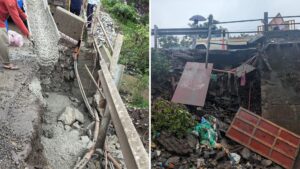
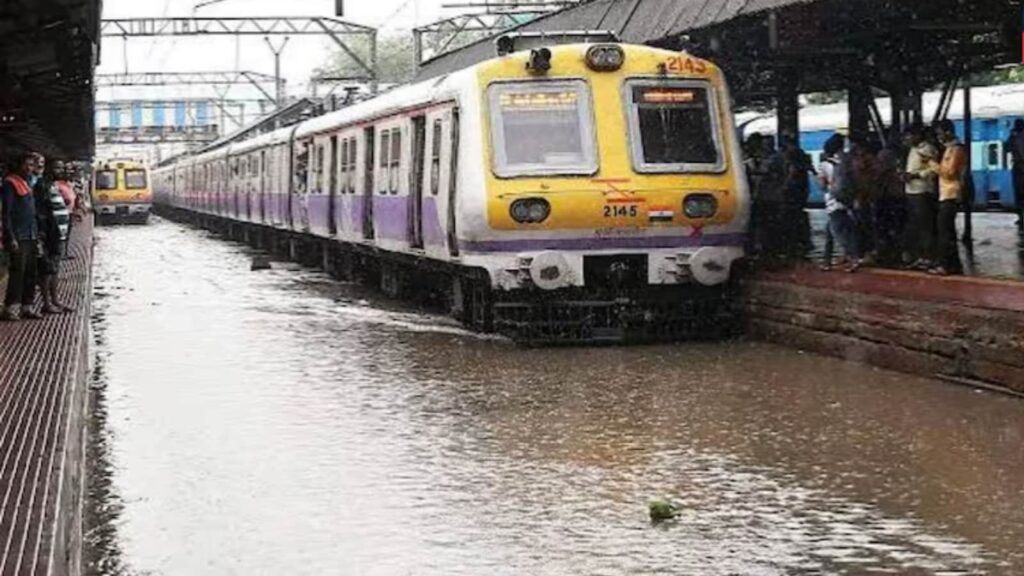
The heavy rain triggered multiple landslides along the Karjat-Lonavala ghat section of the Mumbai-Pune railway route, severely affecting train services. According to Central Railway, landslides occurred near Thakurwadi, Monkey Hill and Khandala, damaging railway tracks and disrupting operations on one of the country’s busiest rail corridors.
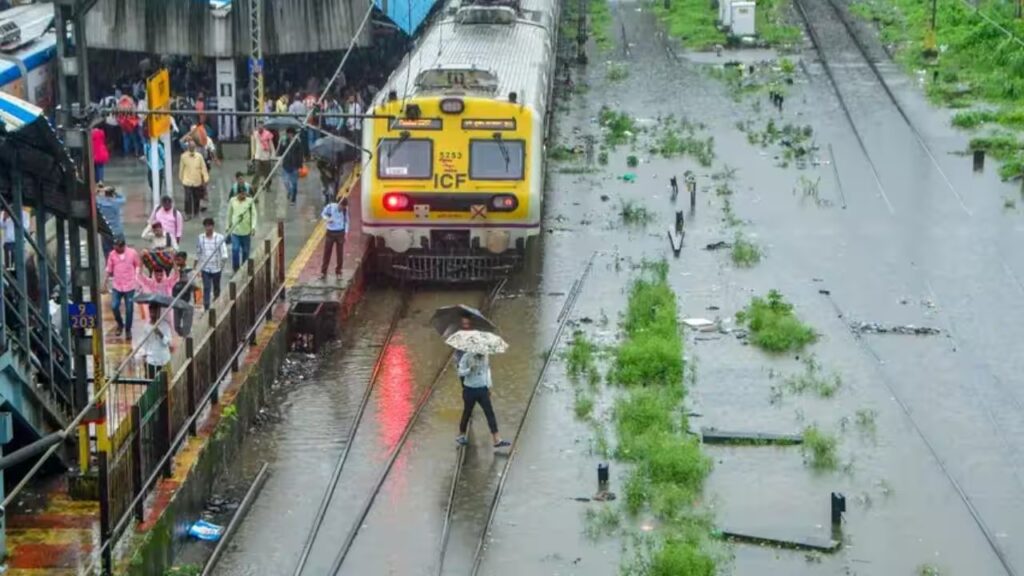
Railway officials said 27 trains were cancelled, including suburban services, while 57 trains were diverted, several others were short-terminated or rescheduled. Nearly 200 railway personnel were deployed to clear debris and restore damaged tracks. Officials said timely warnings from railway watchmen stationed at vulnerable locations helped prevent any accidents, and no passengers were injured.
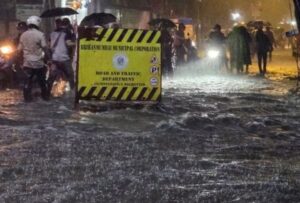
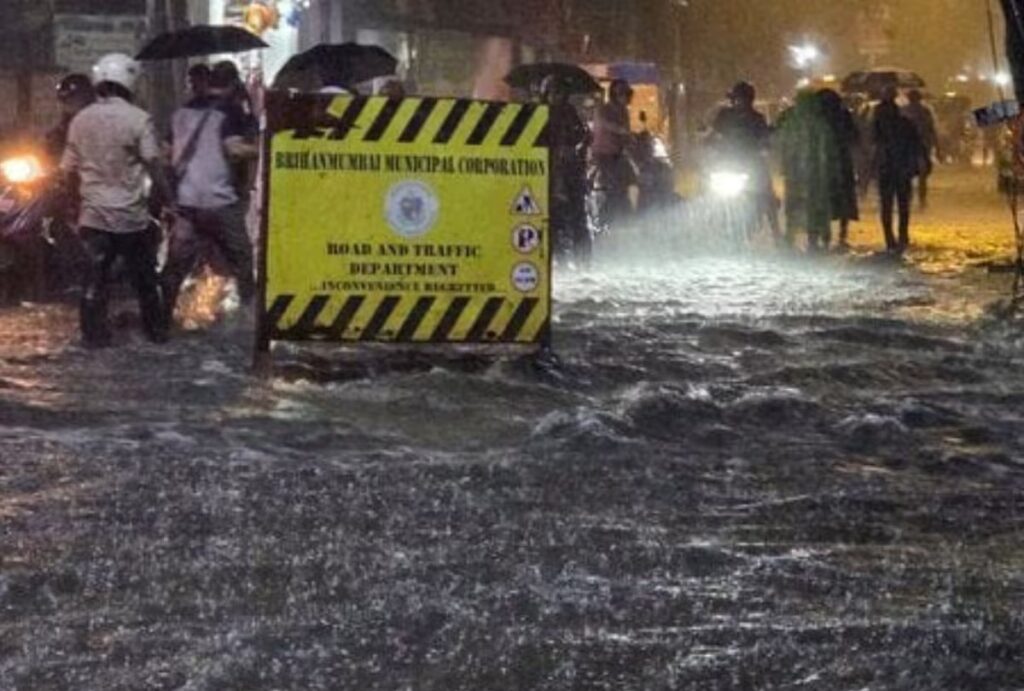
The rainfall also affected road connectivity. Waterlogging and overflowing streams submerged roads in parts of Lonavala, Karla, Malavali, Waksai, Kusgaon and neighbouring areas, while rescue teams evacuated residents from flood-affected locations. Communication with a few villages was temporarily disrupted due to flooding.
The severe weather also impacted the recently inaugurated Mumbai-Pune Expressway Missing Link, where a landslide near Tunnel 2 led to temporary closure of one carriageway before authorities restored traffic after debris clearance and safety inspections.
Elsewhere in Maharashtra, the India Meteorological Department (IMD) issued an orange alert for Mumbai and Thane, while Palghar and Raigad remained under a red alert. As a precaution, schools and colleges remained closed in several districts. Mumbai University postponed examinations scheduled for the day, with revised dates to be announced later.
Rising river levels also prompted emergency measures. The Ulhas River crossed the danger mark in Badlapur and Ambernath, leading to the evacuation of around 250 residents, including elderly people from a care home. The Kalu River also crossed its warning level.
Chief Minister Devendra Fadnavis reviewed the state’s disaster preparedness and directed authorities to remain on high alert until July 8. National Disaster Response Force (NDRF) and State Disaster Response Force (SDRF) teams have been deployed across vulnerable districts to assist local administrations.
Heavy rainfall significantly improved water storage in Pune district. The Khadakwasla dam system received massive inflows, while several reservoirs crossed important storage levels. Authorities, however, warned residents living near riverbanks to remain alert as controlled water releases could become necessary if rainfall continues.
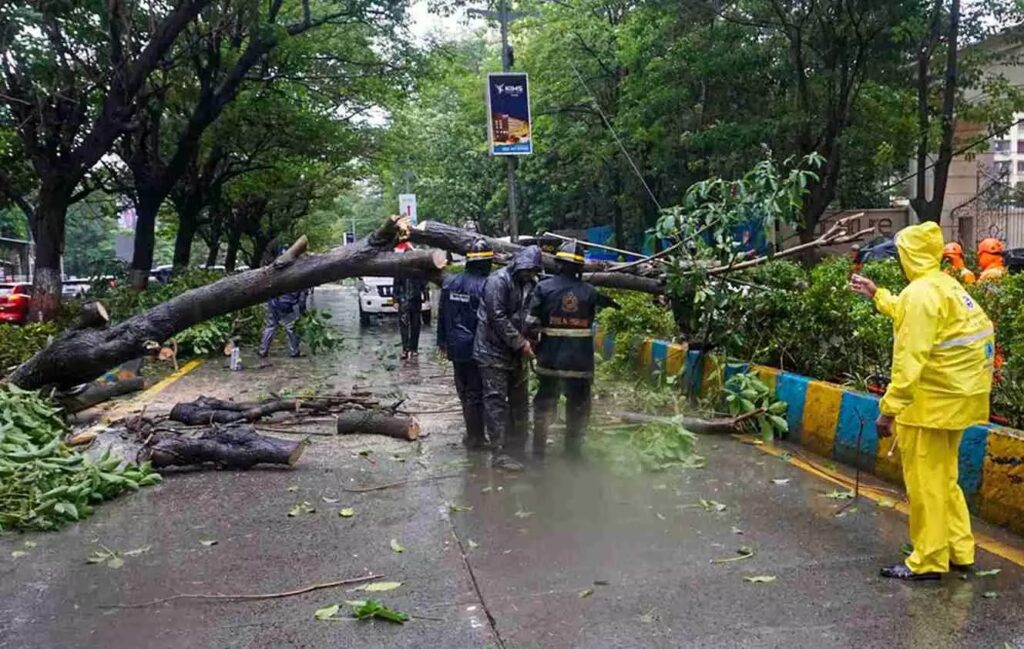
Officials said the monsoon has already caused hundreds of tree falls across Mumbai and multiple landslides in the Western Ghats, underlining the importance of avoiding unnecessary travel during periods of intense rainfall.
Authorities have advised citizens to follow official weather updates, avoid flooded roads and landslide-prone areas, and cooperate with emergency services until weather conditions improve.
What precautions should travellers take?
Travellers should check the latest weather and transport advisories before starting their journey, avoid landslide-prone routes, never attempt to cross flooded roads, and follow instructions issued by local authorities
Frequently Asked Questions (FAQs)
Q. Which areas received the heaviest rainfall?
Lonavala recorded nearly 670 mm of rainfall within 24 hours, making it one of the highest rainfall figures reported during the current spell.
Q. Why were train services disrupted?
Continuous heavy rainfall triggered multiple landslides in the Karjat-Lonavala ghat section, damaging railway tracks and forcing cancellations, diversions and restoration work.
Q. Why were schools and colleges closed?
Educational institutions were shut in several districts as a precaution following heavy rain forecasts, flooding and IMD weather alerts.
Q. How has the rainfall affected roads?
Flooding, overflowing streams, landslides and waterlogging disrupted traffic on several roads, including sections of the Mumbai-Pune corridor.
Disclaimer: Rainfall and transport conditions may change rapidly during the monsoon. Citizens should rely on official advisories from the IMD, district administration and transport authorities before travelling.