Maharashtra Secures 40% of India’s FDI with ₹1.64 Lakh Crore in 2024-25, Says CM Fadnavis
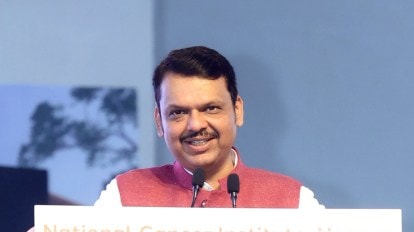
Maharashtra Secures 40% of India’s FDI with ₹1.64 Lakh Crore in 2024-25, Says CM Fadnavis
Maharashtra has emerged as the top destination for foreign direct investment (FDI) in India during the financial year 2024-25, securing ₹1,64,875 crore—accounting for a significant 40% of the country’s total FDI inflow of ₹4,21,929 crore. Chief Minister Devendra Fadnavis announced the achievement on Thursday, calling it a historic milestone for the state’s economy.
Sharing the news on social media platform X, Fadnavis highlighted that the final quarter alone (January–March 2025) saw an inflow of ₹25,441 crore. “This year marks the highest FDI Maharashtra has received in the last ten years. Remarkably, we had already surpassed previous records within the first nine months,” he noted.
The state witnessed a 32% rise in FDI compared to 2023–24, a growth the Chief Minister attributed to favorable policies and governance. He credited the leadership of Deputy Chief Ministers Eknath Shinde and Ajit Pawar, stating that Maharashtra’s progress reflects a clear commitment to development and investor confidence.

Fadnavis shared a decade-long comparative analysis of Maharashtra’s FDI inflows:
- 2015–16: ₹61,482 crore
- 2016–17: ₹1,31,980 crore
- 2017–18: ₹86,244 crore
- 2018–19: ₹57,139 crore
- April–Oct 2019: ₹25,316 crore
- 2020–21: ₹1,19,734 crore
- 2021–22: ₹1,14,964 crore
- 2022–23: ₹1,18,422 crore
- 2023–24: ₹1,25,101 crore
While data from November 2019 to March 2020 was not included, Fadnavis emphasized that the 2024–25 numbers reinforce Maharashtra’s economic strength and consistency.
Clarifies Funding for Welfare Scheme Amid Opposition Criticism
Addressing separate concerns raised by the opposition over funding for the Ladki Bahin Yojana—a scheme that provides ₹1,500 monthly to eligible women from low-income households—Fadnavis rejected claims that funds had been diverted from other departments.
Speaking in Parbhani, the CM clarified that all allocations for the scheme were made in line with financial rules. “Departments like Tribal Affairs and Social Justice are responsible for personal benefit schemes, and funds are rightly channeled through them,” he said.
He added that budget guidelines require a portion of spending to be dedicated to Scheduled Castes (SCs) and Scheduled Tribes (STs), especially for direct benefit initiatives, underlining the adherence to statutory norms.