Mount Abu: Rajasthan’s Hill Station Paradise Awaits You This Winter
Mount Abu: Rajasthan’s Hill Station Paradise Awaits You This Winter
Mount Abu, situated in the Sirohi district of Rajasthan, is the state’s only hill station, rising 1,722 meters above sea level in the green hills of the Aravalli range. Offering a refreshing respite from the desert heat, it features a blend of tribal homes, British-era bungalows, and royal lodges. The climate remains pleasant year-round, with mild summers and cool winters, offering a welcome break from the surrounding arid regions. The area is rich in lush forests, tranquil lakes, and waterfalls, making it a popular destination throughout the year. Located near the Gujarat border, it is easily accessible to visitors from both states.
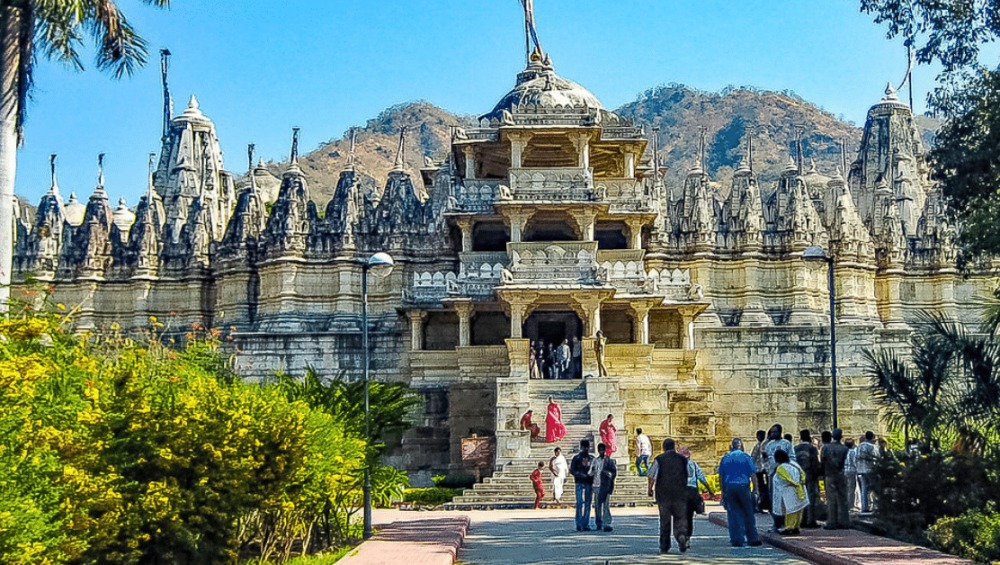
Known for its religious significance, especially for Jains, Mount Abu attracts architecture and history enthusiasts. The Dilwara Temples and other ancient structures draw visitors from around the world.
Myths and Legends
Mount Abu’s history dates back to the Puranas, where it was called “Arbudaranya.” According to legend, the serpent Arbhuda saved Lord Shiva’s mount, Nandi, here. The mountain’s name is derived from this serpent.

Another story ties Sage Vashistha to Mount Abu, where he performed a yajna to seek divine protection for the earth. From this fire, the first Agnivansha Rajput emerged.
Historical Significance
Mount Abu was once home to the Gurjaras, with inscriptions like Dhanpala’s Tilakmanjari highlighting their connection to the region.
Festivals
- Summer Festival: Celebrated in May, featuring folk music, dance performances, and cultural programs.
- Winter Festival: Held in December, highlighting Rajasthan’s culture and traditions through performances, sports, and fireworks.
ATTRACTIONS & PLACES TO VISIT AND EXPLORE IN MOUNT ABU
Nakki Lake
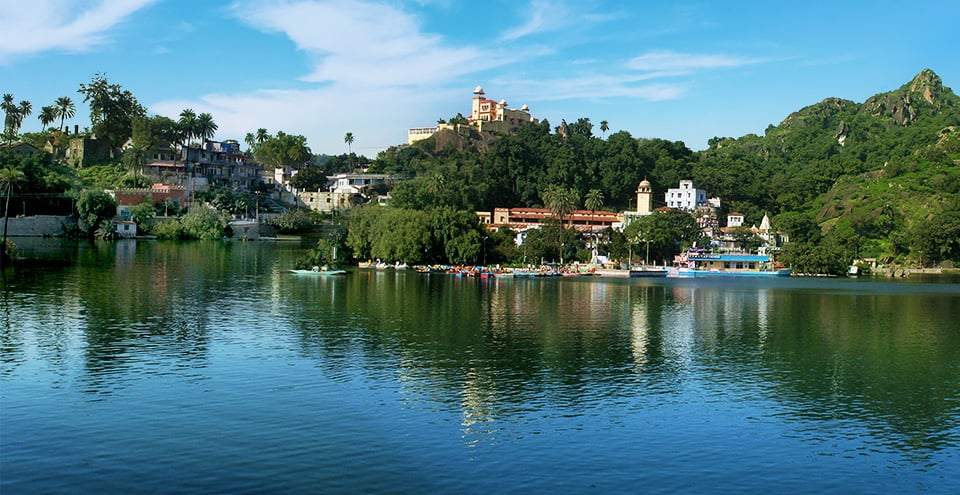
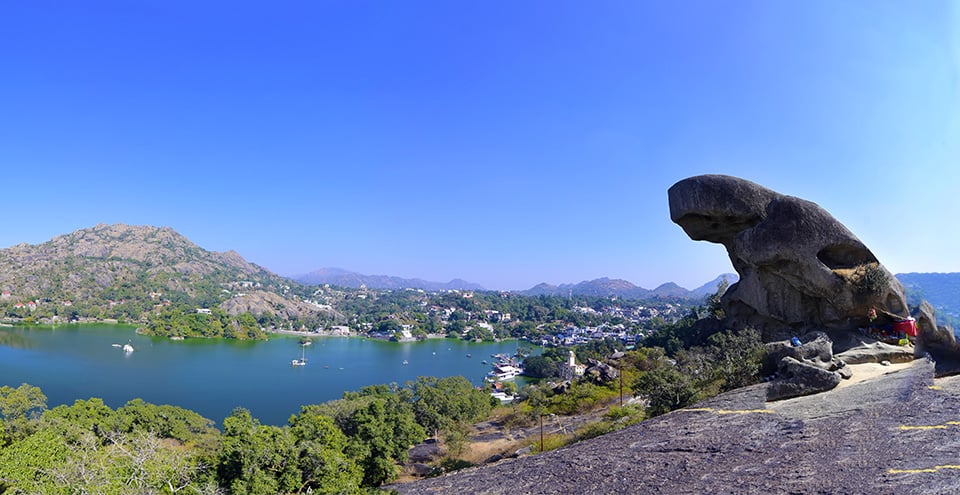
Recognized as the first ever manmade lake in India, Nakki Lake is also a preferred place to see in Mount Abu. You can choose to take a boat ride at the lake and watch the sun set past the beautiful hills surrounding this place. Nakki Lake is also popular for being the place where the ashes of Mahatma Gandhi had been immersed. Toad rock, a place for sightseeing in Mount Abu is located close to Nakki Lake.
Guru Shikhar
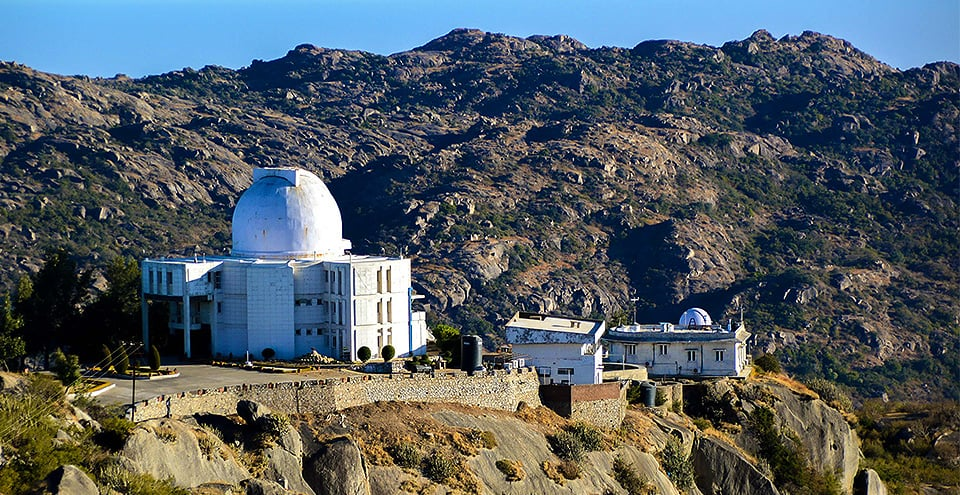
Recognized as the highest point on this mountain range, Guru Shikhar is an exquisite place for sightseeing in Mount Abu. Taking about 300 steps up to Guru Shikhar, you reach the temple of Guru Dattatreya, an incarnation of the Divine Trinity (Brahma, Vishnu and Shiva). People flock to this place both for its religious aspects and the panoramic views.
Toad Rock View Point
Nakki Lake, known for its unique rock formations, offers plenty of photo opportunities for visitors. One of the most popular spots near the lake is the Toad Rock View Point. Situated along the main trekking trail, Toad Rock has become a symbol of Mount Abu. This striking igneous rock formation is shaped like a toad, which gives it its distinctive name. It’s a must-visit for curious travelers, and the rock is easy to climb. From the top, visitors are treated to breathtaking views of Nakki Lake and the lush surroundings, making it a rewarding experience for anyone seeking both novelty and natural beauty.
Dilwara Jain Temple
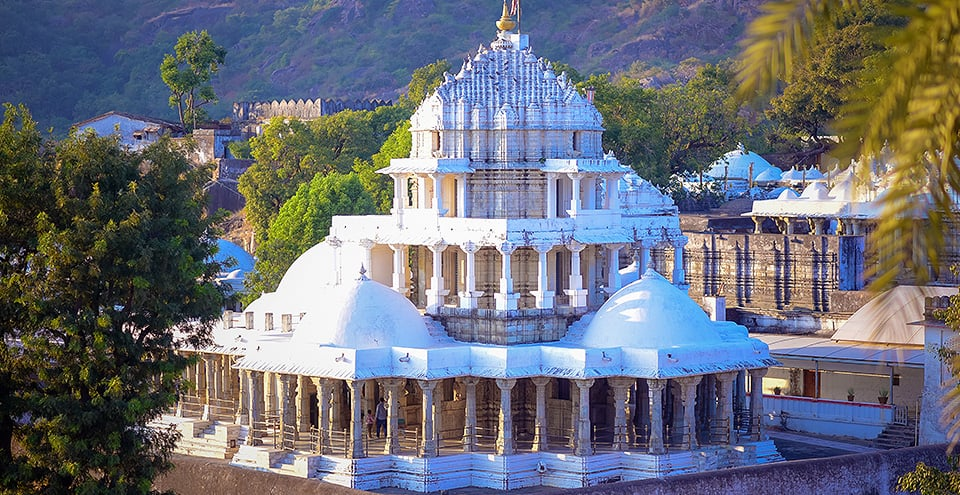
Dating back to between the 11th and 13th centuries, the Dilwara Jain Temples are renowned as some of the finest examples of architectural mastery in India. Located about 2.5 kilometers from Mount Abu, this complex of five temples is carved from pristine white marble. The interiors are adorned with intricate carvings, with elaborate designs covering everything from doorways to ceilings. The Dilwara Jain Temples are a must-visit destination in Mount Abu for anyone appreciating architectural beauty and spiritual heritage.
Mount Abu Sanctuary
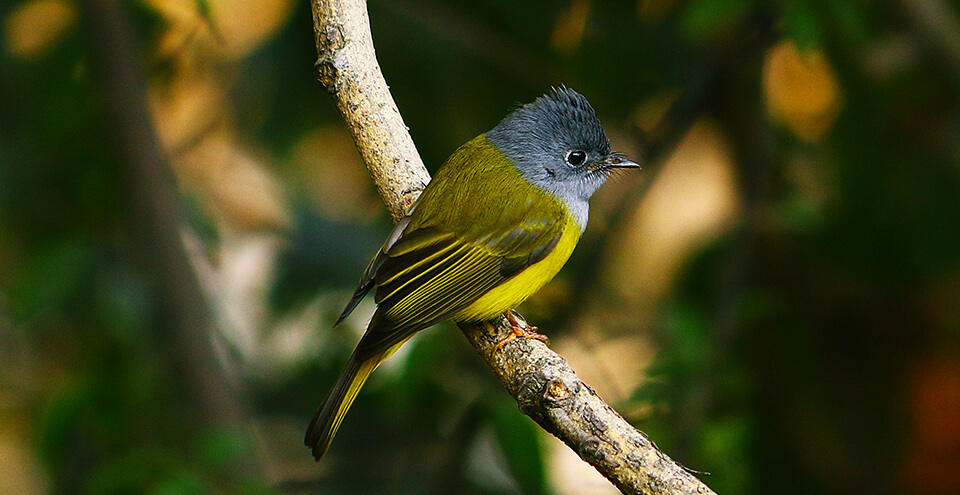
Covering 288 square kilometres of area, the Mount Abu Wildlife Sanctuary is a part of the subtropical forest in this region. Containing rich flora and fauna, this sanctuary allows you to come close to some rare and exotic species of wild animals, including the Indian fox, pangolin, grey jungle fowl, striped hyena, and also Indian leopard, the apex predator here.
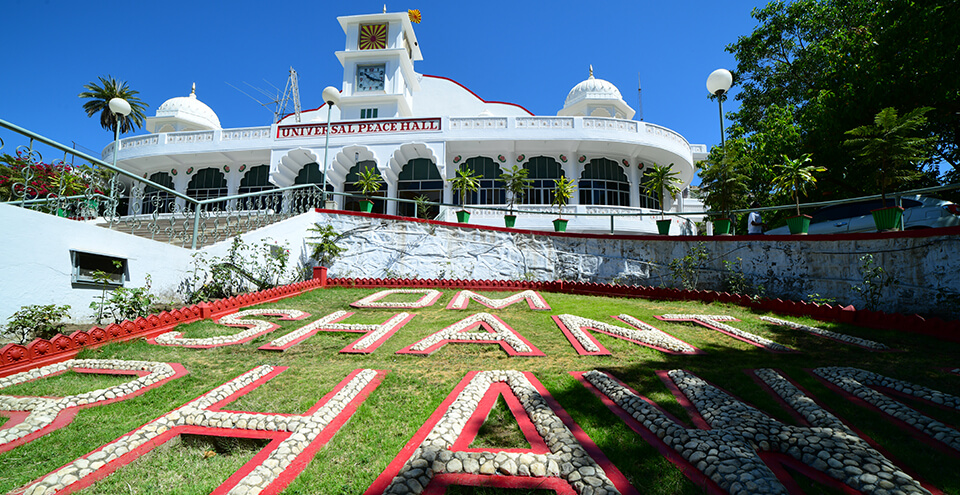
Peace Park, Mount Abu
Located between two prominent Aravalli peaks, Guru Shikhar and Achalgarh, the Peace Park in Mount Abu is part of the Brahma Kumaris’ center. With its tranquil atmosphere, the park provides the perfect setting for relaxation and inner peace. Visitors can explore the rock garden, home to various cacti, as well as an orchard, citrus corner, and vibrant floral displays featuring coleus, hibiscus, creepers, and an enchanting rose garden. The park also offers peaceful spots like stone caves and huts, ideal for meditation. The Brahma Kumaris offer guided tours and a short video on meditation practices. This serene haven amidst nature is an experience worth having.
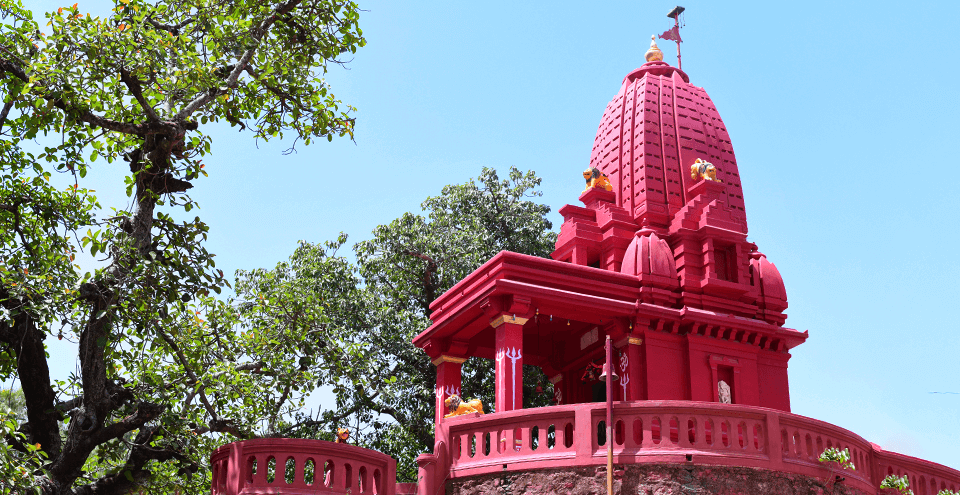
Lal Mandir, Mount Abu
Located near the Dilwara Jain Temple on Delwara Road, Lal Mandir is a small yet peaceful temple dedicated to Lord Shiva. Known for its vibrant red walls, the temple is one of the oldest holy sites in Mount Abu. It is revered as a Swayambhu (self-originated) Shiva Temple, with the idol inside wearing a ‘jenau’. Popular among both religious visitors and tourists, Lal Mandir is a must-visit spot in the area.
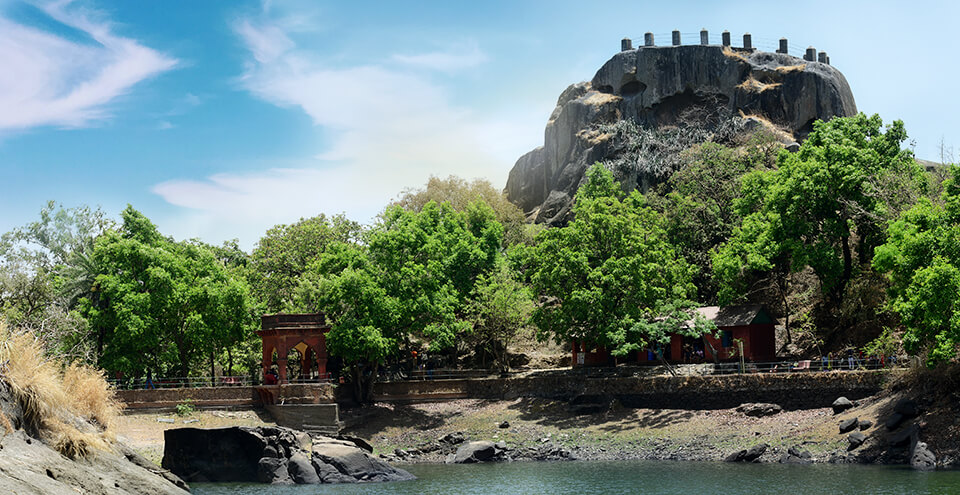
Trevor’s Tank, Mount Abu
Located about 5 kilometers from Mount Abu, Trevor’s Tank is a manmade crocodile breeding spot surrounded by lush greenery. This peaceful location is perfect for wildlife enthusiasts, offering opportunities to spot crocodiles, birds, and even black bears. Its serene environment makes it a popular picnic spot. The mild weather year-round makes it a great place to visit, though it’s best to avoid the monsoon season. Whether for photography or wildlife watching, Trevor’s Tank is a must-see destination in Mount Abu.
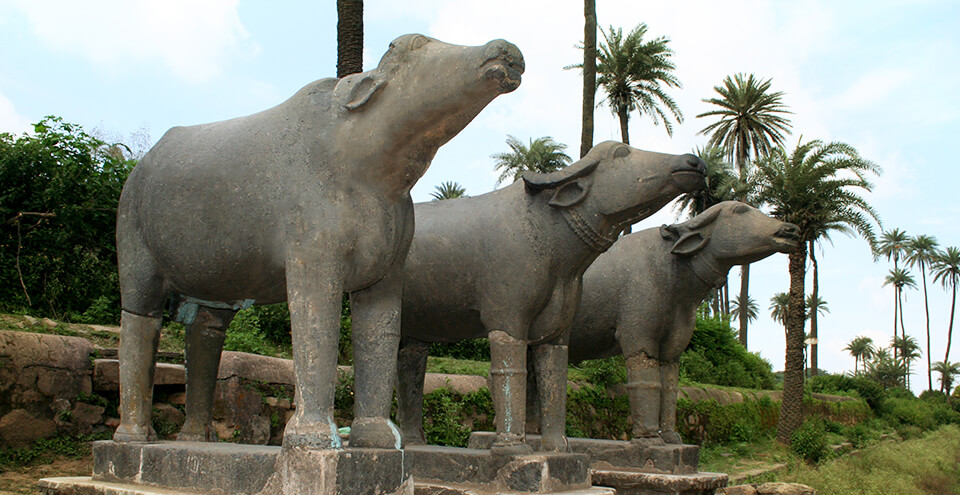
Achleshwar, Mount Abu
The Achleshwar Mahadev Temple in Mount Abu is dedicated to Lord Shiva and is believed to be built around his toe print. The temple features a naturally occurring shiva-linga and is known for its peaceful ambiance, intricate filigree work, and numerous bull statues representing Nandi, Lord Shiva’s vehicle. A unique feature of the temple is a pit, said to be the gateway to the netherworld (narak). The rich legends and history surrounding the temple make it a fascinating and worthwhile visit.
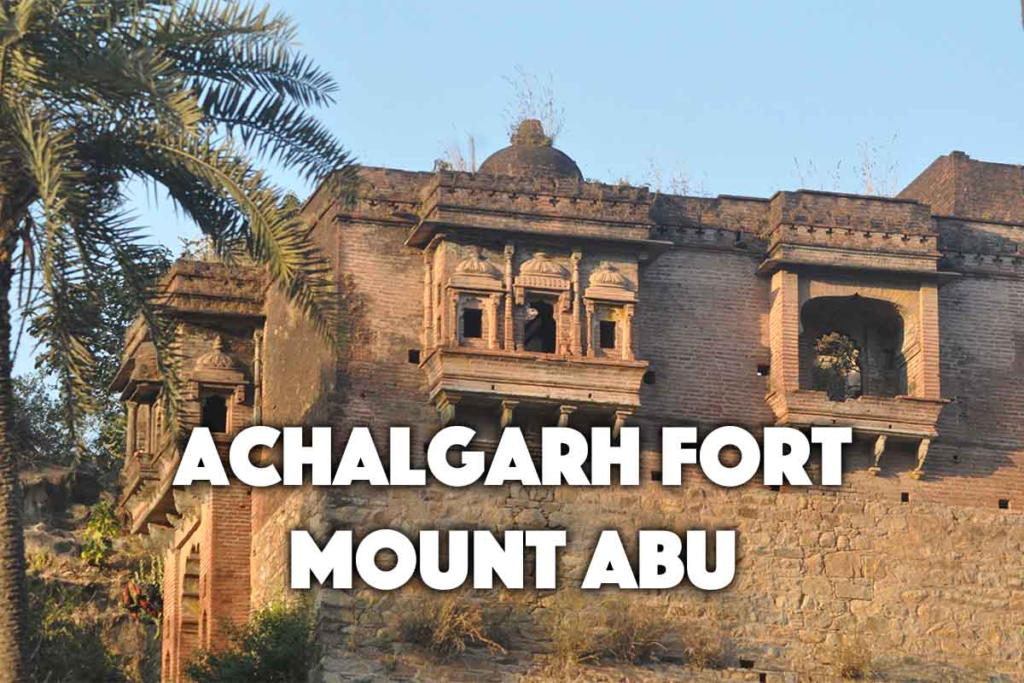
Achalgarh Fort
Without doubt one of the most visited places in Mount Abu, the Achalgarh Fort is located about 26 kilometres north of the city. Originally built by the Paramara dynasty, this fort has later been renovated and renamed as Achalgarh by Maharana Kumbha in 1452 C.E. Another popular place to visit near Mount Abu, the Achaleshwar Mahadev Temple, is located right outside this fort.
How to Reach
- By Air: The nearest airport is in Udaipur, about 185 km away.
- By Train: Abu Road Railway Station, located 28 km from Mount Abu, is the closest railhead.
- By Road: Well-connected by roads, with buses and taxis available from major cities like Udaipur, Ahmedabad, and Jaipur.
Best Time to Visit
- October to March: Ideal for sightseeing and enjoying the pleasant weather.
- Monsoon Season (July to September): Lush greenery makes it a beautiful retreat.
Mount Abu is a blend of natural beauty, religious significance, and cultural heritage, making it a must-visit destination in Rajasthan.