Mumbai-Pune Expressway Set for 10-Lane Expansion by 2030, MSRDC Gears Up for Major Upgrade
Mumbai-Pune Expressway Set for 10-Lane Expansion by 2030, MSRDC Gears Up for Major Upgrade
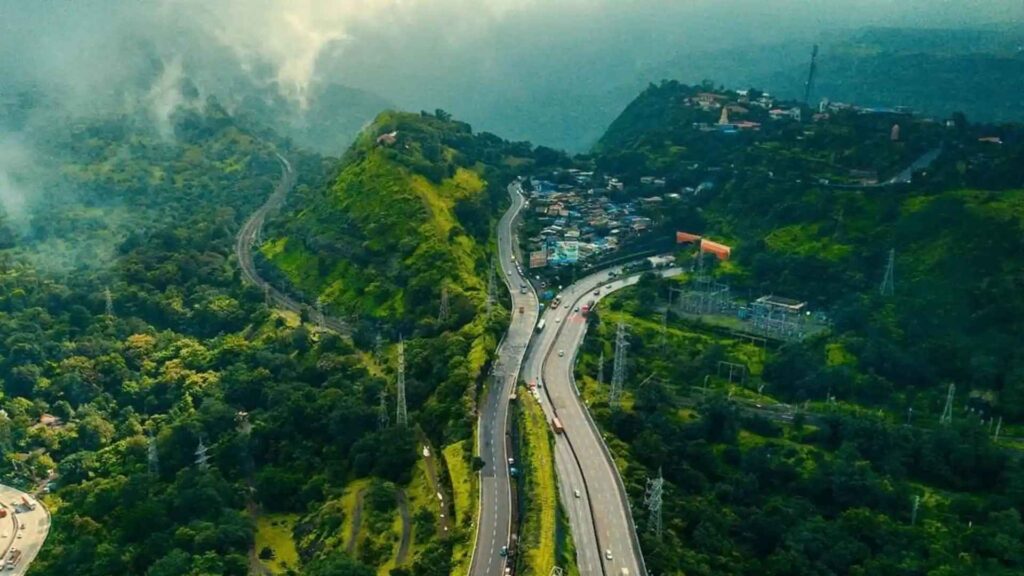
To keep up with rising traffic demands and reduce long-standing congestion issues, the Maharashtra State Road Development Corporation (MSRDC) is moving ahead with a major plan—transforming the Mumbai-Pune Expressway into a 10 lane superhighway by the year 2030.
Currently operating as an eight-lane access-controlled highway, the expressway is one of the busiest corridors in the country. It connects Kalamboli in Navi Mumbai to Kiwale near Pune over a 94.6-km stretch. With over 65,000 vehicles using the expressway daily on weekdays and traffic soaring beyond one lakh on weekends, congestion is a growing concern. Experts say traffic is increasing at a rate of around 5–6% annually, making the expansion a necessary move.
An MSRDC official confirmed that the proposed upgrade will not only increase capacity but also ensure smoother movement, especially during festive weekends when bottlenecks become more severe. “We are planning to scale up from eight to ten lanes. This improvement is aimed at addressing the present congestion as well as preparing for future vehicular growth,” the official stated.

The project’s financials reflect the scale of the upgrade. The additional cost of increasing the lanes is estimated at ₹1,420 crore, taking the total construction cost to ₹8,440 crore. Combined with ongoing works like the missing link and other associated developments, the overall project value now stands at around ₹14,260 crore.
The MSRDC is expected to submit its official proposal after Diwali and is looking to execute the project under the Hybrid Annuity Model (HAM). This public-private partnership (PPP) model has proven successful for large-scale infrastructure developments, as it allows the government to cover 40% of the cost while the private partner invests the remaining 60%.
“By blending government oversight with private sector efficiency, HAM ensures faster execution and better quality. It’s ideal for projects of this magnitude,” added the MSRDC representative.
If everything goes according to plan, contractor selection may happen by March 2026, and construction could begin within the same fiscal year. Completion is tentatively targeted for 2029-2030.
It’s worth noting that this expansion effort complements the ongoing 13-km missing link project in the Khandala Ghat section, which also features a 10-lane design. Once both projects are completed, the entire expressway will offer improved driving conditions and reduced travel time between the two major cities.
Land acquisition is expected to be minimal, as most of the area along the expressway is already under MSRDC’s control. “Only a few pockets near tunnel sections may need to be acquired,” clarified the official.
Public support is also building up. Politicians like MLA Mahesh Landge have expressed their approval, citing the potential benefits in terms of reduced congestion and better connectivity.
As for funding the project long-term, MSRDC may consider extending the existing toll collection system, which is currently valid until 2045. This would help make the expansion financially viable without putting extra burden on the state’s finances.