New Income Tax Act 2025 To Take Effect From April 1, 2026: Key Changes In Rules, Forms And Allowances Explained
New Income Tax Act 2025 To Take Effect From April 1, 2026: Key Changes In Rules, Forms And Allowances Explained
Simplified law to replace 1961 Act; old vs new tax regime benefits clarified ahead of implementation
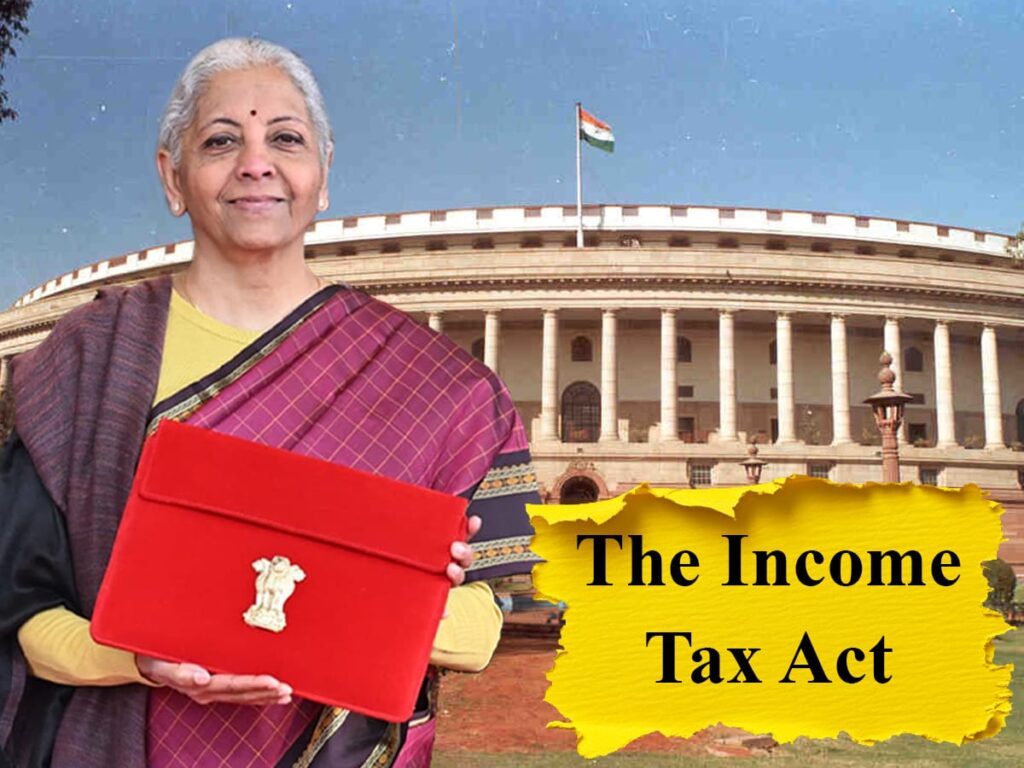
India’s six-decade-old Income Tax framework is set to be replaced. The new Income Tax Act, 2025, along with the Income Tax Rules, 2026, will come into force from April 1, 2026, Finance Minister Nirmala Sitharaman announced.
The new law does not change tax rates but aims to simplify the language, reduce litigation and streamline compliance. It was passed by Parliament on August 12, 2025, and received Presidential assent on August 21.
“This (direct tax code) was completed in record time and the Income Tax Act 2025 will come into effect from April 1, 2026. The simplified income tax rules and forms will be notified shortly, giving adequate time to taxpayers to acquaint themselves with its requirements,” the Finance Minister said.

What Changes Under The New Act?
The new Act replaces the 1961 law and reduces complexity significantly. The total number of Rules will be cut from 511 to 333, and Forms from 399 to 190. As many as 178 rules and 209 forms have been rationalised or removed.
A major structural change is the replacement of the “previous year–assessment year” concept with a single tax year system. This is expected to reduce confusion among taxpayers.
Another important relief is that taxpayers will be able to claim TDS refunds even if they file returns late, without penalties in certain situations.
PAN Mandatory For 16 Transactions
The draft Income Tax Rules, 2026 propose stricter Permanent Account Number (PAN) requirements. Rule 159 lists 16 transactions where quoting PAN will be mandatory. These include applying for a credit card, opening a demat account, purchasing mutual funds and other specified financial transactions.
Old Vs New Tax Regime: What About HRA And Child Allowances?
A key area of interest for salaried taxpayers is whether exemptions like House Rent Allowance (HRA), children’s education allowance and hostel allowance will be available under the new tax regime.
As per draft rules, these exemptions will continue only under the old tax regime. Taxpayers opting for the new regime will not be eligible for HRA exemption, children’s education allowance or hostel allowance benefits.
Under the current old regime, children’s education allowance is ₹100 per month per child (maximum two children). The proposed draft rules suggest increasing this to ₹3,000 per month per child. Similarly, the child hostel allowance, currently ₹300 per month per child (maximum two children), is proposed to increase to ₹9,000 per month.
However, these enhanced benefits will not be available to those choosing the new tax regime.
Experts say the new regime offers lower slab rates and a higher zero-tax threshold but removes most traditional exemptions. Taxpayers will need to carefully compare both regimes before making a choice.
Simplified Perquisite Valuation
The draft rules also propose simplifying valuation of perquisites and revising tax-exempt limits for benefits such as company cars, chauffeur services, gifts, meal vouchers and certain educational and medical benefits.
What Taxpayers Should Do
Tax authorities are currently finalising forms for Advance Tax and TDS. These will be notified soon to give individuals, companies and Hindu Undivided Families (HUFs) time to adapt.
While the new Act promises clarity and simplification, taxpayers will need to evaluate whether the old regime’s exemptions outweigh the new regime’s lower tax rates.
Disclaimer: This article is for informational purposes only. Taxpayers should consult qualified tax professionals before making decisions regarding regime selection or financial planning.