New Pune–Mumbai Expressway Gets Green Signal, 90-Minute Travel on the Horizon
Milind Narvekar Urges Caution On Mumbai–Pune Expressway Missing Link Project, Seeks Phased Opening For Safety
Fresh momentum has been added to Maharashtra’s infrastructure push with the National Highways Authority of India (NHAI) giving approval to the Detailed Project Report (DPR) for a brand-new expressway connecting Pune and Mumbai. Once completed, the high-speed corridor is expected to slash travel time between the two cities to nearly 90 minutes, offering major relief to thousands of daily commuters and transport operators.
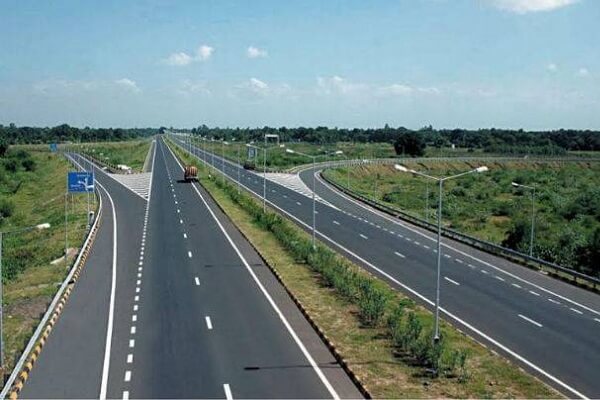
Planned at an estimated cost of around ₹15,000 crore, the upcoming expressway aims to ease the mounting pressure on the existing Mumbai–Pune Expressway, which has been struggling to cope with rapidly increasing traffic volumes. The proposed road will feature eight lanes and is designed to accommodate close to three lakh vehicles every day, making it one of the most significant road projects in western India.
According to officials, the expressway will be strategically integrated with Mumbai’s Atal Setu and Pune’s proposed Ring Road. This seamless connectivity is expected to not only benefit daily travelers between the two cities but also strengthen long-distance movement towards southern India, as the route will form an important section of the planned Pune–Bengaluru greenfield corridor.

Explaining the need for the project, Sanjay Kadam, Project Director at NHAI Pune, noted that traffic on the existing expressway has exceeded its designed capacity. “The current route is facing heavy congestion, frequent delays and rising safety risks due to the sharp increase in vehicles. The new expressway is being developed as a high-capacity alternative to ensure faster, smoother and safer journeys. Under normal conditions, commuters should be able to complete the trip in about an hour and a half,” he said.
Kadam also highlighted the logistical importance of the alignment. “The new road will originate near Atal Setu, provide direct access to Navi Mumbai International Airport and JNPT, and pass through the Sahyadri hills using a series of tunnels and elevated structures. It will end at Shivare in Bhor taluka, where it will connect to Pune’s Ring Road. This design allows traffic bound for Satara, Kolhapur and Bengaluru to completely bypass Pune city,” he explained.
Regular users of the existing expressway have welcomed the announcement, describing it as long overdue. Pune-based businessman Amit Dengale, who travels frequently between the two cities, shared his experience, saying that a journey which once took about two hours often stretches much longer today. “Weekend traffic, accidents and monsoon-related landslides can easily turn the drive into a three- or four-hour ordeal. If this new expressway actually delivers a 90-minute commute, it will make a huge difference for people like me,” he said.
Transporters are equally optimistic. Ramesh Jadhav, a heavy vehicle operator, pointed out that even minor incidents on the current expressway can bring traffic to a standstill. “Whenever there is a breakdown or accident, trucks get stuck for hours. Diverting freight and long-distance traffic to a new route will improve road safety and significantly reduce fuel consumption, time loss and operating costs,” he remarked.
NHAI officials stated that construction is expected to begin soon after the remaining DPR-related formalities are completed. The project has been given a target timeline of three years from the start of construction.
Once operational, the new Pune–Mumbai expressway is expected to play a transformative role by reducing congestion, improving travel reliability, supporting trade and logistics, and strengthening economic ties across Maharashtra. With faster connectivity and modern infrastructure, the project promises to redefine intercity travel in the region for years to come.