Nitin Gadkari Sets 2030 Target To Cut Road Accidents By 50% With AI, Safer Highways Push
Nitin Gadkari Sets 2030 Target To Cut Road Accidents By 50% With AI, Safer Highways Push
Government says new road safety centres, smart traffic systems and mandatory vehicle features will drive a major reduction in fatalities.
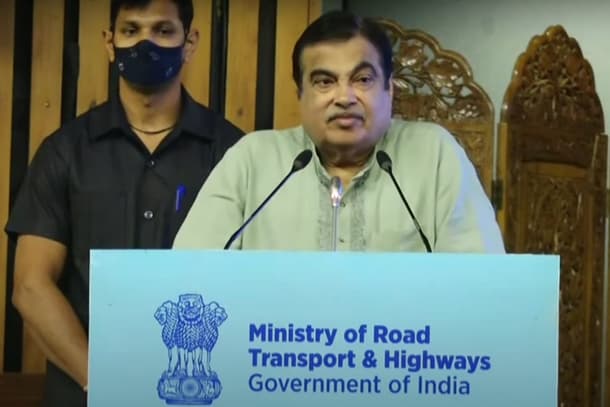
India is aiming for a major breakthrough in road safety, with Union Road Transport and Highways Minister Nitin Gadkari stating in the Rajya Sabha that the government’s target is to reduce road accidents by 50 percent by 2030.
The roadmap includes a mix of technology-driven enforcement, safer highway engineering, and stricter vehicle safety standards, as authorities look to curb one of the country’s most serious public safety challenges.
A key step in this effort is the establishment of a Center of Excellence for Road Safety at IIT Madras. The government says the centre will promote best practices by strengthening collaboration between academic institutions, industry, and policymakers. Its long-term vision is not only to halve road accident deaths by 2030, but also to work toward zero fatalities by 2040.

Alongside institutional support, the ministry is expanding the use of Advanced Traffic Management Systems (ATMS) across national highways. These systems include AI-based video incident detection, automatic number plate recognition cameras, and surveillance networks designed to detect accidents early, improve enforcement against violators, and enable faster real-time response.

ATMS has already been installed on several high-traffic corridors and expressways such as the Delhi-Meerut route and Trans-Haryana highways. The government now plans to extend these systems to all four-lane national highways.
Vehicle safety is also being tightened significantly. Active safety features will be made mandatory in medium and heavy-duty vehicles across categories including M2, M3, N1, N2, N3, and quadricycles. The required upgrades include anti-lock braking systems, endurance braking, vehicle stability functions, lane departure warnings, driver drowsiness and attention alerts, blind spot information, and moving-off information systems.
These rules will take effect from January 1, 2027 for new vehicle models, and from October 1, 2027 through January 2028 for existing models.
The government has also identified high-fatality corridors and is carrying out site-specific improvements such as fixing black spots, traffic calming measures, and better signage.
With AI monitoring, safer vehicles, and targeted highway upgrades, the government believes the 2030 road accident reduction goal is achievable.