Oats vs Poha: Which Breakfast Is Better for Weight Loss and Daily Energy?
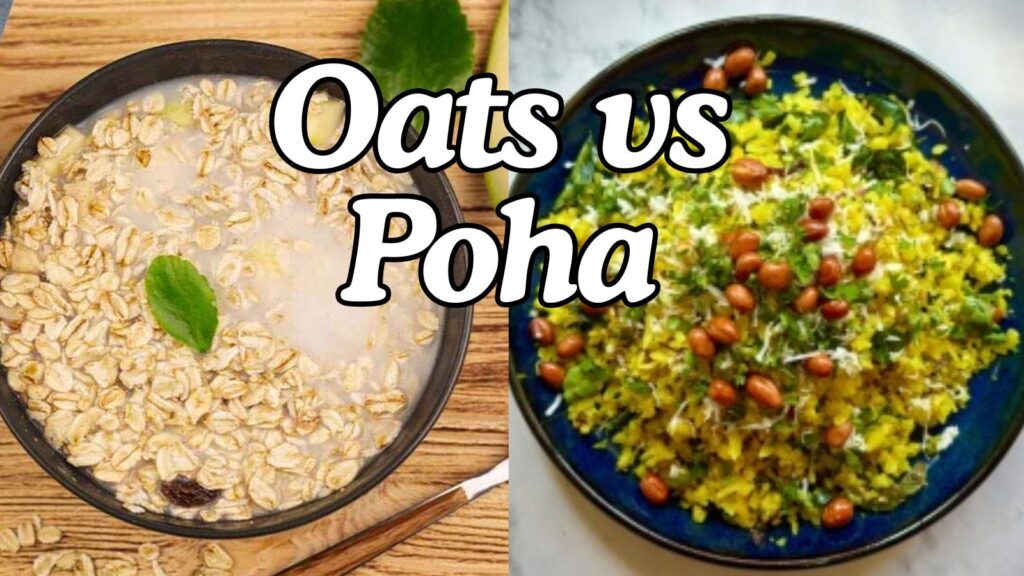
Oats vs Poha: Which Breakfast Is Better for Weight Loss and Daily Energy?
Experts say the real key lies in balance, portion control and nutritional value rather than choosing one over the other
Choosing the right breakfast is often the first challenge for people trying to lose weight or maintain steady energy throughout the day. Among the most popular breakfast choices in Indian households, oats and poha continue to dominate discussions among fitness enthusiasts and nutrition-conscious consumers.
While many health experts recommend oats for weight management due to their high fibre content, traditional poha remains a favourite for millions because of its light texture, affordability and ease of preparation. Both meals are quick to cook and considered healthy, but their nutritional impact on the body differs significantly.

What Makes a Good Breakfast?
According to dieticians, an ideal breakfast should keep the stomach full for longer, support digestion and provide sustained energy without causing heaviness. Both oats and poha can fit into a healthy diet when prepared properly with balanced ingredients.

Why Oats Are Popular for Weight Loss
Oats are widely associated with fitness and weight-loss diets mainly because they contain a soluble fibre called beta-glucan. This fibre slows digestion and helps create a feeling of fullness for a longer period.
Health studies have shown that beta-glucan may help control appetite and reduce unnecessary snacking between meals. Oats also digest slowly, helping maintain stable blood sugar levels and providing gradual energy release throughout the day.
Nutrition experts recommend choosing plain rolled oats or steel-cut oats instead of flavoured instant oats, which often contain high amounts of added sugar and preservatives.
Nutritional Benefits of Poha
Poha, made from flattened rice, is often considered lighter and easier to digest than oats. However, health experts say poha should not be underestimated in terms of nutrition.
Traditional poha prepared with vegetables, peanuts, mustard seeds and curry leaves becomes a balanced meal rich in carbohydrates, healthy fats and some protein. Peanuts provide protein and healthy fats, while lemon juice added on top may help improve iron absorption.
Poha is also less processed, easy on the stomach and suitable for people who prefer lighter meals in the morning.
Which One Is Better for Weight Loss?
Experts say there is no universal answer to the oats-versus-poha debate. Weight loss depends more on overall eating habits, portion sizes, physical activity and nutritional balance rather than a single food item.
A breakfast rich in fibre, protein and healthy nutrients is considered more effective for long-term energy and appetite control. Whether choosing oats or poha, adding vegetables, seeds, nuts or protein-rich ingredients can make the meal healthier and more filling.
Tips To Make Breakfast Healthier
- Add vegetables to increase fibre intake
- Include protein sources such as peanuts, sprouts, curd or eggs
- Avoid excess oil and sugar
- Control portion sizes
- Stay hydrated throughout the day
Conclusion
Both oats and poha can be healthy breakfast choices when prepared mindfully. Oats may offer an advantage for those focusing on appetite control and fibre intake, while poha remains a light, wholesome and culturally familiar option for many Indian households.
Disclaimer: This article is based on general health information, nutrition studies and expert opinions. It is not intended as personalised medical or dietary advice. Readers are advised to consult a qualified nutritionist or healthcare professional before making major dietary changes.