One-Fifth Of India’s Shopping Centres Now ‘Ghost Malls’, Knight Frank Warns
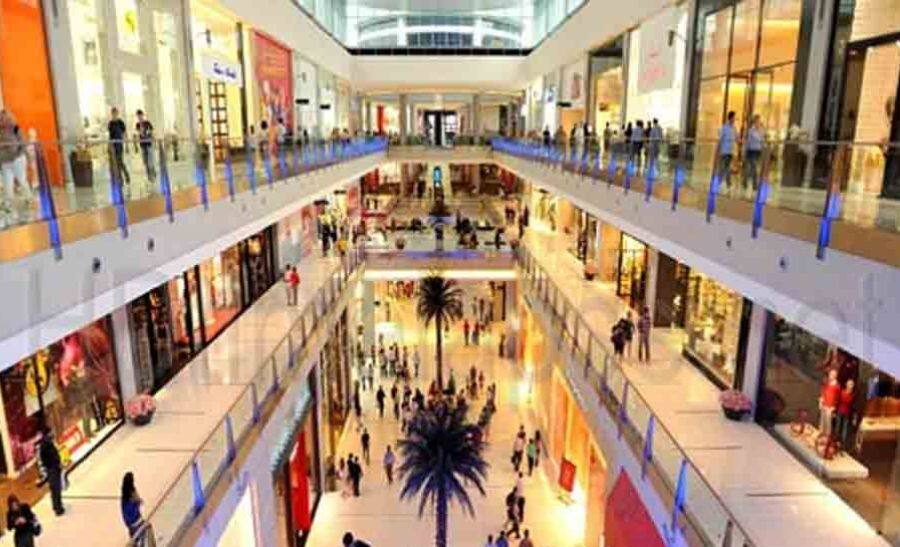
One-Fifth Of India’s Shopping Centres Now ‘Ghost Malls’, Knight Frank Warns
New report flags 74 high-vacancy malls across 32 cities, outlining a massive redevelopment opportunity worth over ₹350 crore in untapped rentals.
Nearly one-fifth of India’s shopping centres have slipped into derelict status, with 74 out of 365 malls across 32 cities now classified as “ghost malls”, according to a new report released by Knight Frank India. These centres, marked by vacancy levels above 40–50 per cent, ageing infrastructure, and declining consumer relevance, together represent 15.5 million sq ft of dormant retail potential.
The report, titled Think India Think Retail – Value Capture: Unlocking Potential, maps India’s retail real estate ecosystem and highlights a widening divide between thriving Grade-A malls and struggling older centres. Despite a total surveyed stock of 134 million sq ft, a significant chunk of this space is failing to attract tenants or footfall, signalling shifting consumer preferences and outdated mall formats.
Knight Frank noted that 15 of these underperforming centres, covering 4.8 million sq ft, show strong potential for revival and could collectively generate up to ₹357 crore in annual rental income if redeveloped or repositioned. Tier-I cities account for nearly 75 per cent of this dormant space, indicating that even long-established malls in major metros are struggling to keep up with modern, experience-led retail trends. These cities alone offer a reinvigoration potential of about ₹236 crore annually, while Tier-II cities contribute another ₹121 crore.

The findings underline a nationwide recalibration in retail, driven by consumer demand for quality, brand mix, entertainment, and experiential elements rather than simple shopping. Many early-generation malls, built before India’s organised retail boom matured, now face structural and operational shortcomings such as weak anchor tenants, outdated layouts, and inadequate customer engagement.
Despite this, the wider retail market continues to grow strongly. Grade-A malls are operating at just 5.7 per cent vacancy, reflecting robust consumption and healthy absorption. Some Tier-II cities are emerging as standout performers—Mysuru (2 per cent vacancy), Vijayawada (4 per cent), and Vadodara (5 per cent) are operating near full occupancy with stable tenant mixes. On the other hand, markets like Nagpur (49 per cent), Amritsar (41 per cent), and Jalandhar (34 per cent) highlight the risks of oversupply and weak mall positioning.
With an overall vacancy rate of 15.4 per cent across the 32 cities studied, the report stresses that India’s real challenge is not excess space but a shortage of well-designed, high-quality retail destinations—especially in Tier-II markets where demand is rising faster than supply.
Calling this a “defining phase” for Indian retail, Knight Frank India CMD Shishir Baijal said that strong consumption trends and a growing preference for organised retail formats make this the right moment for acquisitions, redevelopment, and consolidation within the sector.
Disclaimer: This article provides general market information and should not be considered financial or investment advice.