Overthinking and Health: How Excessive Thinking Impacts Mental and Physical Well-Being
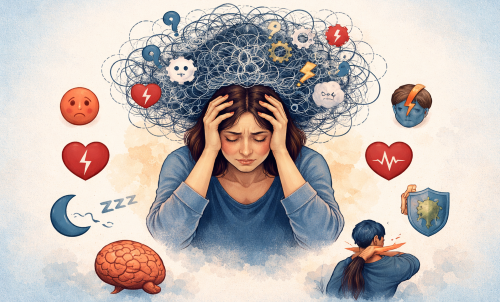
Overthinking and Health: How Excessive Thinking Impacts Mental and Physical Well-Being
From insomnia to stress-related disorders, experts highlight the hidden dangers of overthinking and ways to control it
Overthinking can harm both mental and physical health. Learn about its effects, including stress, insomnia, and anxiety, along with practical tips to manage it.
Pune, March 19, 2026: Overthinking, a common yet often overlooked habit, is increasingly being linked to serious mental and physical health concerns. While thinking through situations and making informed decisions is essential, excessive and repetitive thinking—known as overthinking—can negatively impact overall well-being.

Experts note that continuously dwelling on personal or professional problems can lead to heightened stress levels. Many individuals tend to repeatedly analyze even minor issues, unknowingly putting their mental health at risk.
Impact on Mental Health
Overthinking places immense pressure on the mind, often leading to anxiety and increasing the risk of depression. Individuals may start giving disproportionate importance to minor concerns, which can further aggravate emotional distress.
Sleep Disturbances and Fatigue
One of the most common effects of overthinking is insomnia. When the mind remains preoccupied with repetitive thoughts, it struggles to relax, making it difficult to fall asleep. Poor sleep quality often results in fatigue, reduced productivity, and lack of focus during the day.
Physical Health Consequences
Health experts warn that overthinking does not just affect the mind. Prolonged stress caused by excessive thinking can trigger physical symptoms such as headaches, high blood pressure, digestive issues, and chronic fatigue. Over time, this stress can weaken the body from within.
Premature Greying of Hair
Continuous stress may increase the production of cortisol, a hormone associated with stress. Elevated cortisol levels can affect hair health, potentially leading to premature greying.
How to Control Overthinking
Experts recommend simple lifestyle changes to manage overthinking effectively:
- Practice mindfulness and meditation
- Maintain a regular sleep routine
- Engage in physical activities
- Limit negative thought patterns
- Seek professional help if needed
Developing awareness and adopting healthy coping mechanisms can significantly reduce the impact of overthinking on daily life.
Disclaimer:
This article is for informational purposes only and is not a substitute for professional medical or psychological advice. Readers are advised to consult qualified healthcare professionals for diagnosis or treatment of any mental or physical health concerns.