Pancham’s Pulse: Celebrating RD Burman’s Eternal Beat at 86
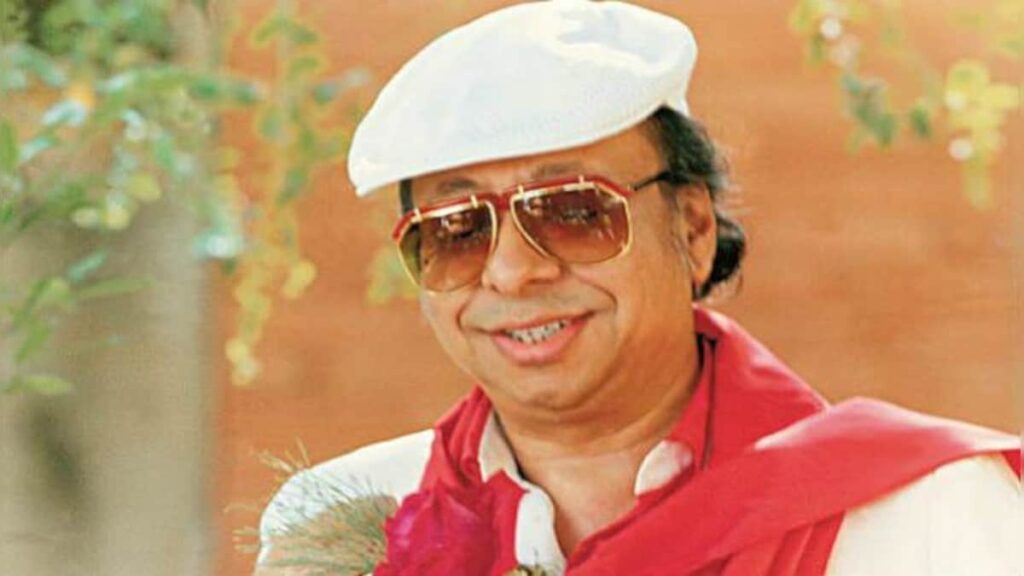
Pancham’s Pulse: Celebrating RD Burman’s Eternal Beat at 86
Rahul Dev Burman—known to the world as RD Burman or simply Pancham—was more than just a composer. He was a force of nature that shook the foundations of Bollywood music and built something far more eclectic and enduring in its place. As the world celebrates what would have been his 86th birthday, it’s worth pausing not just to remember his songs, but to understand the man who dared to be different—and in doing so, changed everything.
A Musical Heritage, A Curious Mind
Born on June 27, 1939, into the illustrious Burman family, RD inherited the gift of music from his father, the legendary SD Burman. But where SD’s melodies carried the grace of Indian classical roots, young Pancham’s heart beat to a broader rhythm. Trained under maestros like Ustad Ali Akbar Khan and Pandit Samta Prasad, he didn’t just follow tradition—he questioned it, stretched it, and fused it with global sounds that made his music vibrant and unpredictable.

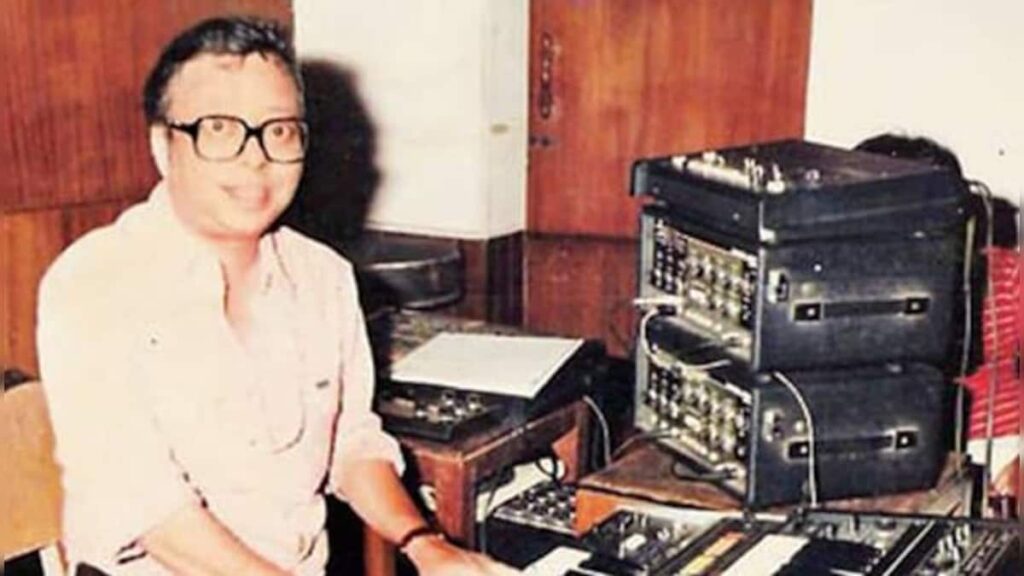
As a child, he showed uncanny musical instincts. He was said to have composed the tune for Sar Jo Tera Chakraye from Pyaasa when he was barely ten. By the time he was a teenager, he was playing harmonica and percussion on film sets, already fluent in instruments from the tabla to the mouth organ.
Finding His Voice in the ’60s
Though RD started out assisting his father on classics like Guide and Jewel Thief, his real journey began with Chhote Nawab (1961). It was his breakout moment, but it wasn’t until Teesri Manzil (1966) that the industry—and audiences—realized what a revolution he was about to ignite. That album, with songs like Aaja Aaja Main Hoon Pyar Tera and O Haseena Zulfonwali, was a genre-defying blend of rock-and-roll with desi zest, laying the foundation of his unique sound.
The Rule-Breaking ’70s
The 1970s were Pancham’s playground. Teaming up with icons like Kishore Kumar and Lata Mangeshkar, and frequently scoring for stars like Rajesh Khanna and Amitabh Bachchan, RD Burman created anthems that still define the decade. From the psychedelic swirl of O Manjhi Re (Khushboo) to the heartfelt ache of Tere Bina Zindagi Se Koi Shikwa Toh Nahin (Aandhi), he proved he could master both madness and melody.

He gave us gems like Yeh Shaam Mastani, a breezy ode to twilight from Kati Patang, and Meri Bheegi Bheegi Si, drenched in longing and romance. Chura Liya Hai Tumne Jo Dil Ko from Yaadon Ki Baaraat remains a staple in every retro playlist. His collaboration with lyricists like Gulzar and Anand Bakshi brought out his poetic and philosophical side, with songs like Tum Aa Gaye Ho Noor Aa Gaya Hai (Aandhi) and Aap Ki Aankhon Mein Kuch Mehke Hue Se Raaz Hain (Ghar) becoming timeless.
Whether it was the haunting Ek Ajnabee Haseena Se from Ajnabee, or the mischievous charm of Yamma Yamma from Shaan, every song he touched carried his unmistakable signature.
A Shift in Winds: The ’80s
As disco fever and action films took over Bollywood in the 1980s, RD’s nuanced compositions began to feel “out of sync” with industry trends. Yet, he never stopped innovating. Albums like Love Story, Satte Pe Satta, and Saagar still shine in retrospect. His haunting score for Masoom gave us Tujhse Naraz Nahin Zindagi, a song that continues to move listeners to this day.
Even when his music wasn’t topping charts, it was ahead of its time. Songs like Baahon Mein Chale Aao (Anamika) and Kya Hua Tera Wada (Hum Kisise Kum Nahin) became timeless classics, eventually outliving the films they were made for.
The Bittersweet Finale
The 1990s were not kind to RD Burman. With newer composers flooding the scene, Pancham found himself increasingly sidelined. Yet, he held on. His work in Libaas, Ijaazat, and Indrajeet displayed emotional depth and technical brilliance that few could match.
Then came 1942: A Love Story. Released after his death in 1994, the album was nothing short of a masterpiece. Tracks like Kuch Na Kaho, Rimjhim Rimjhim, and Pyaar Hua Chupke Se reminded everyone of his genius—and left the world wondering what more he could’ve given, had he been celebrated while he was still alive.
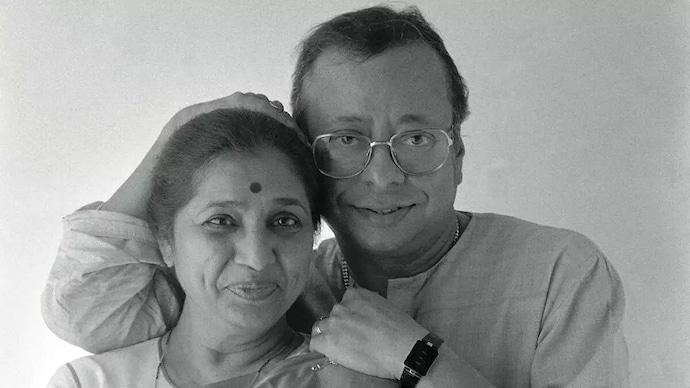
A Legacy Without an Expiry Date
In today’s digital age, where auto-tune and software dominate music production, RD Burman’s analog genius feels even more remarkable. He used everyday objects—glass bottles, combs, even the sound of a heartbeat—to create music that still surprises and delights.
Tracks like Mehbooba Mehbooba, Dil Dhoondta Hai, Raat Kali Ek Khwab Mein Aayi, and O Mere Dil Ke Chain continue to be remixed, reimagined, and revered. His music lives on, not just through nostalgia, but through its unmatched versatility. Be it a party, a heartbreak, or a road trip—there’s a Pancham song for every moment.
From Yesterday to Forever
Rahul Dev Burman was not just a composer; he was a visionary who thought in chords and dreamed in soundscapes. As fans across generations celebrate his 86th birth anniversary, one thing remains certain: Pancham Da didn’t just create music—he created memories, moods, and magic that refuses to fade.
In every beat that stirs your soul, in every melody that lingers long after the song ends—RD Burman is still playing.