PM Modi to Hold Virtual Meet with Chief Ministers to Review India’s Preparedness Amid West Asia Crisis
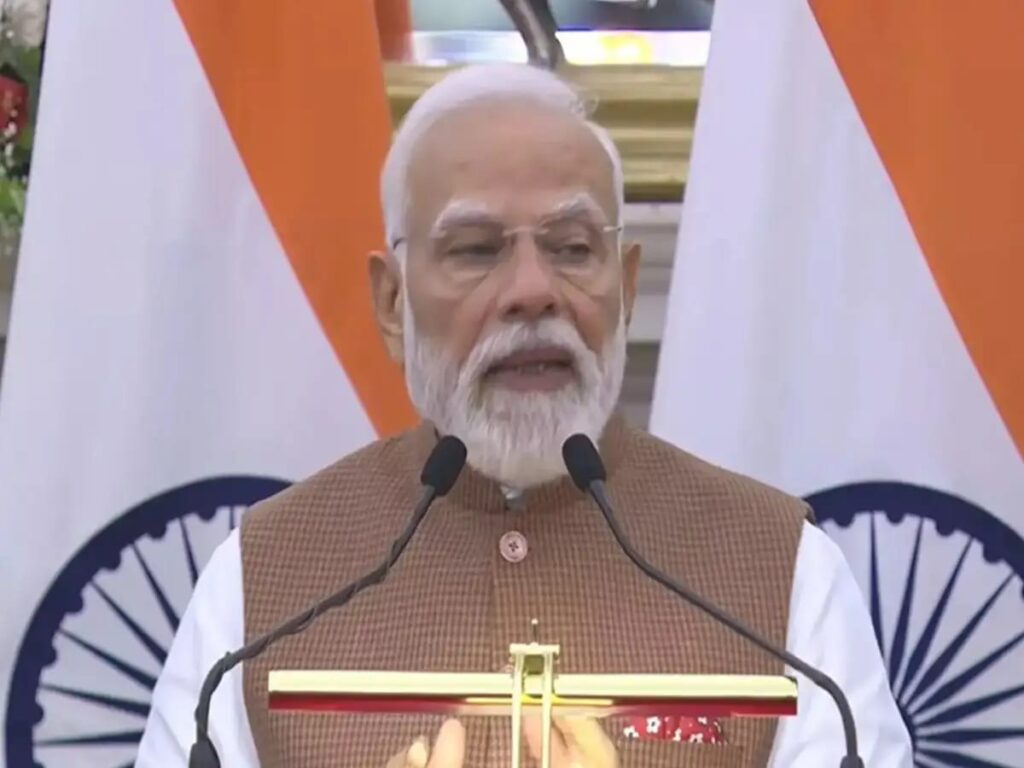
PM Narendra Modi Urges Citizens to Avoid Gold Purchases, Cut Fuel Use Amid Global Crisis Concerns
Mounting tensions in West Asia and their ripple effects on global energy markets have prompted India’s top leadership to step up coordination with states. In this backdrop, Prime Minister Narendra Modi is set to hold a virtual interaction with chief ministers across the country on Friday evening to evaluate preparedness and response strategies.
Scheduled around 6:30 PM, the meeting will bring together leaders of states and Union Territories to review how India can effectively manage challenges arising from the ongoing conflict, particularly in areas such as fuel supply, LPG availability, and broader economic stability. However, chief ministers from poll-bound states will not attend due to the enforcement of the Model Code of Conduct (MCC). For those states, the Cabinet Secretariat will separately engage with chief secretaries.
This marks the first such comprehensive interaction between the Prime Minister and state leaders since the conflict erupted on February 28. The initiative underscores the Centre’s push for coordinated action under the “Team India” approach, ensuring that both central and state governments move in sync during a period of global uncertainty.

The urgency of the meeting is heightened by recent instances of panic buying of petrol and diesel reported in certain parts of the country. The government has clarified that fuel supplies remain stable and that such reactions are being driven by misinformation spread by vested interests. Authorities have urged citizens to avoid hoarding and rely only on official updates.
During recent addresses in Parliament, Modi cautioned that the impact of the West Asia conflict could be long-lasting. Drawing parallels with the COVID-19 pandemic, he emphasized the need for unity and collective preparedness. He also highlighted the internal security dimension, warning that disruptive elements may attempt to exploit the situation. As a precaution, security has been tightened across coastal regions, borders, cyberspace, and key strategic installations.
The conflict itself has significantly escalated over the past few weeks. It began with coordinated military strikes by the United States and Israel on Iran, followed by retaliatory actions from Tehran targeting US and Israeli-linked assets in the Gulf region. These developments have disrupted crucial maritime routes, particularly the Strait of Hormuz, a vital artery for global oil shipments.
The closure of this route has raised concerns worldwide, including in India, which depends heavily on energy imports. While LPG supply chains have experienced some strain due to the geopolitical situation, the government maintains that domestic distribution remains unaffected and under control.
Beyond energy concerns, the Centre is also closely monitoring the safety of Indian nationals residing in Gulf countries. The meeting with chief ministers is expected to include discussions on contingency planning, supply chain resilience, and safeguarding economic momentum despite external shocks. Notably, this interaction comes shortly after an all-party meeting chaired by Defence Minister Rajnath Singh, reflecting a broader effort to build political consensus on handling the crisis.