Pune on a Plate: The Edible Keepsakes Only This City Can Give You
Pune on a Plate: The Edible Keepsakes Only This City Can Give You
From cantonment-era ovens to century-old sweet shops, the flavours that define Pune aren’t just food, they’re memory, ritual and identity wrapped in wax paper.
The Bite That Started It All
Every city has a food it owns unconditionally. For Pune, that food is the bakarwadi. Introduced in the 1970s and essentially Maharashtrianised from what was originally a Gujarati snack, it involves rolling thin maida-besan dough, slathering it with tamarind-jaggery paste, and packing it with a roasted filling of coconut, sesame, and poppy seeds before frying it into tight, glorious spirals. Nutty, fiery, and tangy all at once, it is the kind of snack that is genuinely difficult to stop eating. Around 3,000 kg of bakarwadi are sold daily, and you can find it fresh at the main outlet near Garware Chowk, Deccan Gymkhana or pick up packaged tins that hold their character for three months or more.

But bakarwadi is only where Chitale Bandhu begins. The shop also does a wonderful shrikhand, and lesser-known gems like suralichi vadi, essentially a Gujarati khandvi but rolled around a coconut filling — and alu vadi, leaf rolls earthy with colocasia. With over 250 products ranging from sweets to savouries, their Deccan Gymkhana shop remains an essential Pune stop.
The Sweet Half-Moon and Its Savoury Cousin
Before bakarwadi came the karanji, that classic golden, flaky half-moon, deep-fried and filled with coconut, jaggery and cardamom. It is not cloying, just warmly sweet, the kind of thing you eat standing at a counter without ceremony. If your palate runs savoury, head instead to Kaka Halwai, which does a compelling savoury version of the same form, beloved by those who find the sweet edition a touch much.

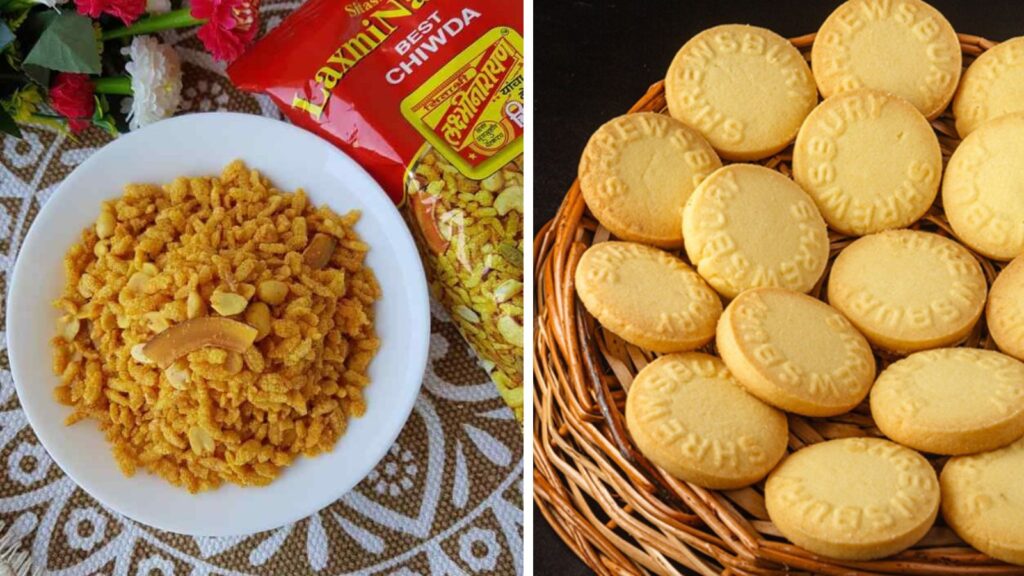
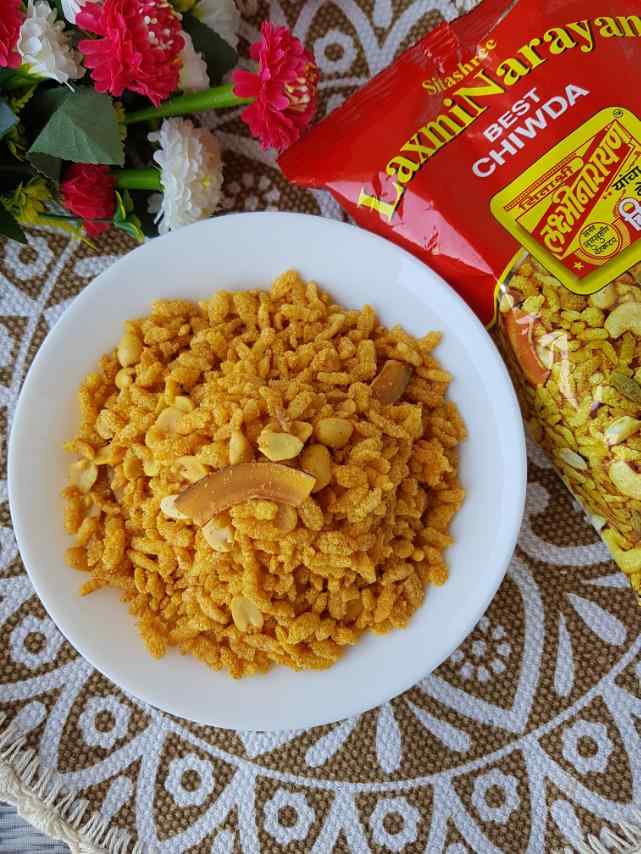
For chiwda. the spiced and crunchy rice-flake mix that Punekars carry home as reflexively as a passport, the address is Laxmi Narayan in Bhawani Peth, where the varieties are worth the trip across the city.
The Cantonment Bakeries: Still Standing, Still Firing Up Wood Ovens
Pune’s Camp area carries a baking heritage that dates back to the British cantonment, and several of those original ovens are still in use. Husseny Bakery on Taboot Street has been operating since 1932, initially supplying the Poona cantonment exclusively. They have been handcrafting broons for more than 50 years, that distinctive bread with a hard, blistered crust and a yielding, pillowy centre that is unlike any supermarket loaf. Their Irani naan, fruit cakes and marble cakes are equally worth seeking out. The wood-fired oven is not theatre; it is the source of something irreplaceable in the flavour.
Persian Bakery, established as early as 1921, is loved for its Bombay khari, butter cookies and nankhatai, the kind of biscuits that shatter properly and taste of ghee rather than shortening.
Imperial Bakery, though younger, has earned its reputation for excellent plum cakes, brownies and specialty breads, and is considered one of the main suppliers of broons and buns to the Irani cafes scattered across Camp.
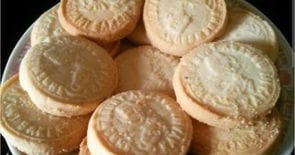
Kayani: Institution is Not Too Strong a Word
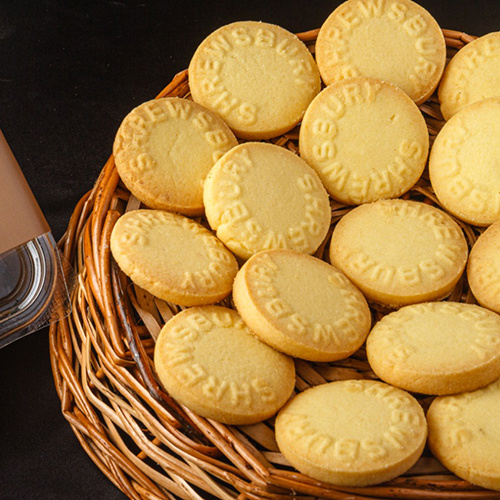
Kayani Bakery was established in August 1955 by three Iranian brothers who had first tried their luck in Mumbai before settling in Pune’s Camp area. It still stands at the same location today, run by their descendants, with firewood burned in the ovens every evening. The queue before opening is not an exaggeration — people genuinely arrive early. What they’re waiting for: Shrewsbury biscuits that are buttery and crumbly and taste of nothing but themselves, plus brazil nut biscuits, sweet buns, and naan khatai.
City Bakery makes a strong parallel claim, particularly for its Christmas plum cakes, sponge cakes, butter biscuits, batasa and jam tarts — tea-time staples that feel genuinely homemade.
Camp’s Other Edible Icons
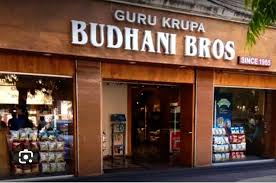
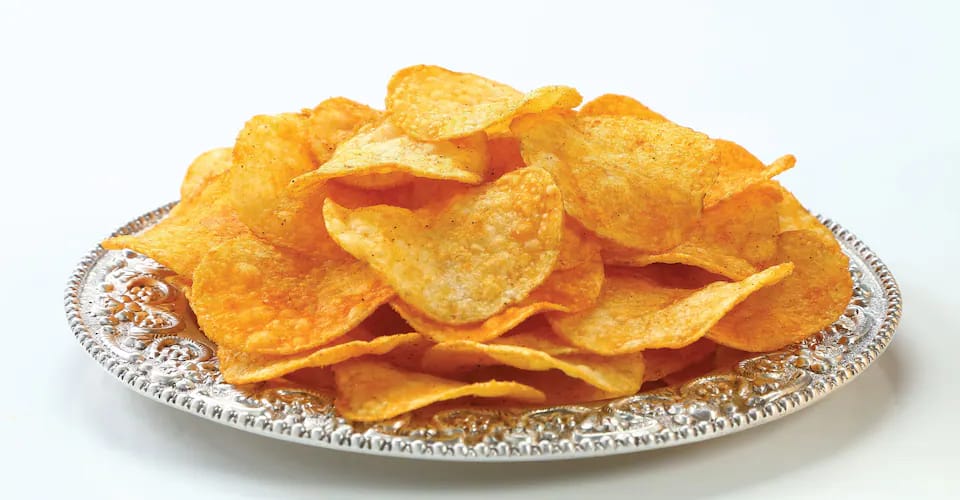
Budhani Bros and their potato crisps — plain or flavoured, always low on salt, the kind of honest snack that hasn’t chased any trend.
Marz O Rin does a different kind of slow food — breads made with corn, sorghum and buckwheat baked in a large wood-fired setup behind the eatery, with sandwiches assembled to order.
Both are over five decades old, and both attract the kind of loyalty that is passed down within families.
Pune’s edible map is not built from novelty. It is built from shops that opened before Independence, recipes that have not changed, and customers who return not out of habit but out of genuine, irreplaceable hunger for what only this city makes.