Pune RTO Collects Nearly ₹70 Crore from Green Tax in Five Years as Old Vehicles Remain on Roads
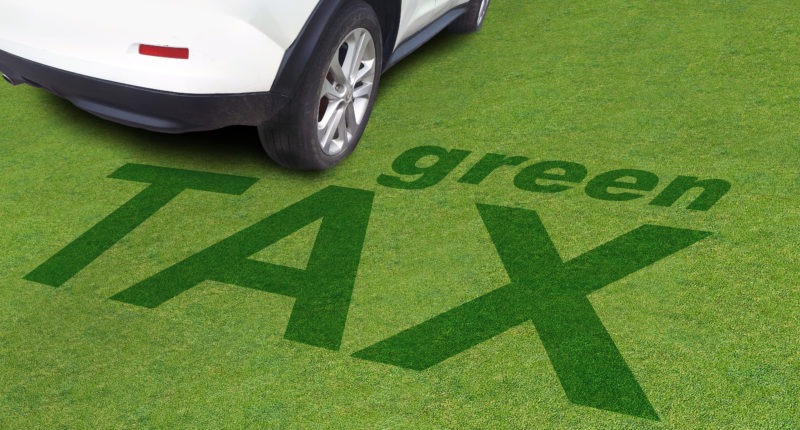
Maharashtra Doubles Green Tax On Old Vehicles, Offers Up To 30% Tax Relief For Scrapping
The Pune Regional Transport Office (RTO) has reported a substantial rise in revenue from the “green tax,” with nearly ₹70 crore collected over the past five years. The tax, levied on older vehicles to reduce pollution, has emerged as a significant source of income for the transport department while reflecting the growing presence of aging vehicles on Pune roads.
The green tax applies to private vehicles that have completed 15 years and commercial vehicles that are over eight years old. It is collected when vehicle owners renew their registration or obtain fitness certification. According to officials, better road infrastructure, improved vehicle maintenance, and regulated usage have allowed many vehicles to remain operational well past these thresholds, contributing to higher tax collections.
Despite an average of around 40,000 new vehicles being registered in Pune each year, a large number of older vehicles continue to ply the city streets. Many vehicle owners prefer paying the green tax and renewing their existing registrations rather than investing in new vehicles, resulting in a steady increase in revenue for the RTO.

Year-wise figures indicate a consistent upward trend in green tax collection. In 2021, the RTO collected approximately ₹13.58 crore, which has gradually increased over the years, surpassing ₹15 crore in the current financial year. Over the last five years, the cumulative collection has approached ₹70 crore, highlighting the tax’s growing financial significance for the transport department.
Current green tax rates are set at ₹2,000 for two-wheelers, ₹3,000 for petrol-driven four-wheelers, and ₹3,400 for diesel four-wheelers. The primary aim of the tax is to discourage the prolonged use of older, polluting vehicles and encourage owners to switch to cleaner alternatives.
“The main goal of the green tax is to protect the environment by reducing vehicular pollution,” said Swapnil Bhosale, Deputy Regional Transport Officer.
However, environmentalists have raised concerns about the allocation of these funds. Activists argue that revenue generated from the green tax should be specifically earmarked for pollution-control initiatives, sustainable transport projects, and traffic management improvements, rather than being absorbed into the general government budget.