Railways Move To Induction Cooking Amid LPG Concerns; ‘Flameless Kitchens’ Plan Begins
Railways Move To Induction Cooking Amid LPG Concerns; ‘Flameless Kitchens’ Plan Begins
Indian Railways begins shifting catering operations to induction and microwave cooking to avoid disruption in passenger food services.
Indian Railways has started moving towards “flameless kitchens” in a major shift aimed at reducing dependence on LPG cylinders and ensuring uninterrupted food services for passengers.
The decision comes amid concerns that commercial LPG supplies could be affected due to tensions in West Asia, which may disrupt global energy supply chains.
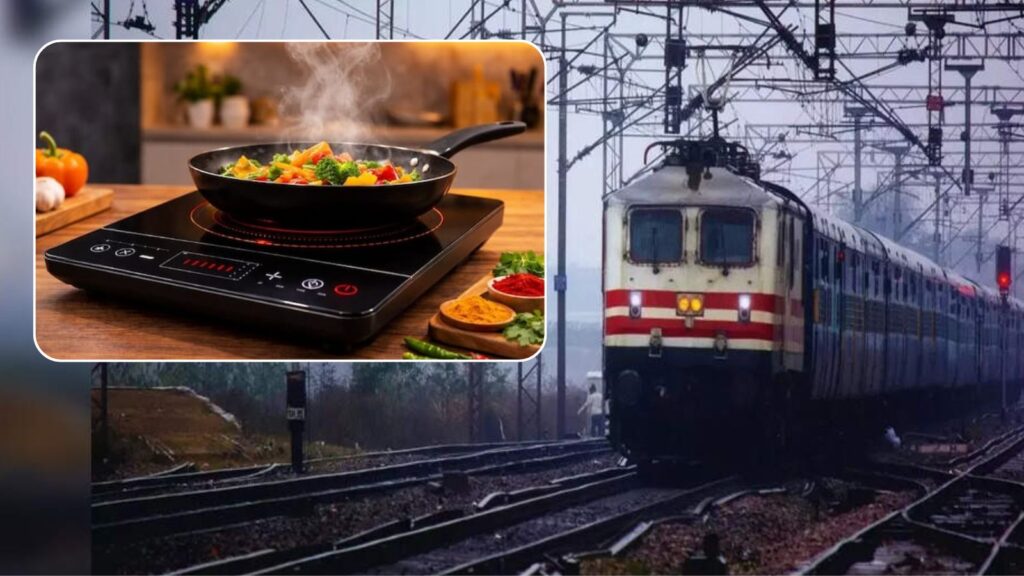
To address this possibility, the Indian Railway Catering and Tourism Corporation (IRCTC) has directed catering units at railway stations to adopt alternative cooking methods such as induction cookers and microwaves.

60% Of Railway Food Already Cooked On Induction
Officials said the railways have already begun converting many base kitchens to fireless cooking systems. At present, around 60% of food preparation in railway kitchens is being carried out using electric induction cooking, significantly reducing reliance on LPG.
Railway kitchens across the country serve food to nearly 1.6 million passengers every day, making uninterrupted cooking operations critical.
The shift to induction cooking is expected to ensure that food services remain stable even if LPG supplies become irregular.
IRCTC Issues Advisory To Catering Units
In a communication issued on March 10, IRCTC instructed operators of food plazas, refreshment rooms and ‘Jan Ahaar’ outlets at railway stations to prepare for alternative arrangements.
Catering operators have been asked to:
- Switch to microwave ovens and induction cooktops wherever possible
- Reduce dependence on LPG cylinders used for cooking
- Maintain adequate stocks of ready-to-eat and packaged food items
The advisory states that these measures are meant to offset any potential shortage of LPG cylinders and ensure passengers continue receiving food services without disruption.
Impact On Station Food Stalls
Railway authorities said the instructions apply mainly to station-based catering units, including stalls and kitchens that prepare food before it is supplied to trains.
In trains themselves, pantry cars usually heat and distribute food rather than cook from scratch, and LPG cylinders are generally not kept inside coaches due to safety regulations.
However, the shortage of commercial LPG at base kitchens could affect cooking operations, which is why the transition to electric cooking methods is being encouraged.
Railway officials said the move towards flameless kitchens is not only a precautionary step during the current global situation but also part of a broader plan to modernise railway catering systems.
The railway administration has clarified that food services for passengers are expected to continue normally, with the new arrangements helping maintain supply even if LPG availability fluctuates.