Screening Your Heart: Essential Tests for Early Detection and Lifelong Protection Against Heart Disease
Screening Your Heart: Essential Tests for Early Detection and Lifelong Protection Against Heart Disease
From simple blood pressure checks to advanced scans, early detection is the best defense against heart disease.
The heart is often romanticized, but beyond emotions it has a far greater role — keeping us alive by pumping blood, oxygen, and nutrients throughout the body. Protecting it is not optional, it’s essential. And that begins with knowing your risks.
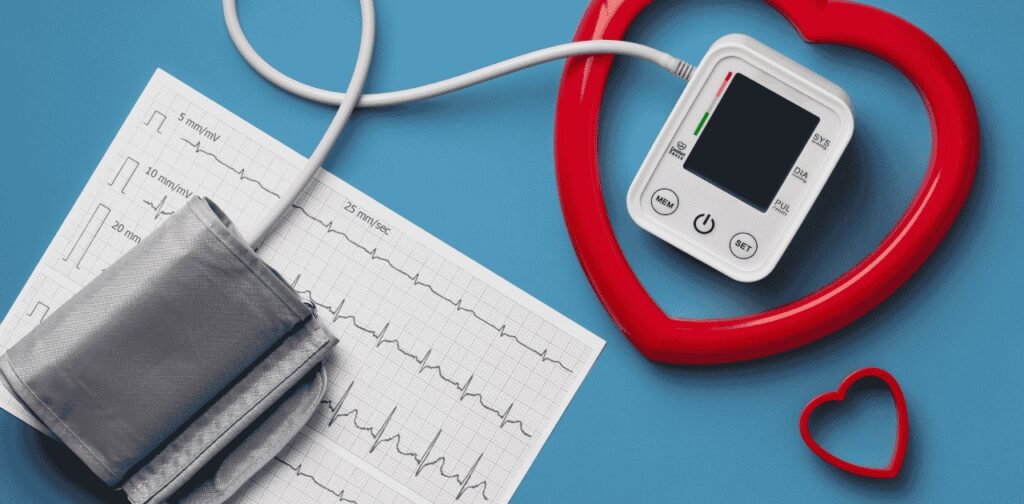
Doctors agree: early and regular screening can detect heart problems before they turn serious. Simple tests like blood pressure and cholesterol checks, or more advanced scans such as a coronary calcium score, can reveal silent threats.

A blood pressure check, recommended from your 20s, should be done at least once every two years, more often if elevated. Neck circumference, an easy measure of obesity-linked heart risk, can be included in routine checkups. Lipid profiles, which measure cholesterol and triglycerides, are advised every 4–6 years starting around age 20.
For those in their 30s and 40s, advanced markers such as carotid artery thickness (CIMT) or inflammation tests like hs-CRP may offer deeper insights, especially with family history or hypertension. By age 40–50, many doctors recommend an ECG to check electrical activity and a coronary calcium scan to assess plaque buildup in arteries.
Other important checks include blood glucose (from age 45, earlier if overweight), waist circumference, and body mass index. Risk calculators, such as the Framingham or PREVENT™ scores, combine these factors into a 10-year cardiovascular risk estimate — a practical tool that guides preventive decisions.
The message is clear: heart screenings are not just for those with symptoms. They are a way to act early, when lifestyle changes and treatments are most effective.
Disclaimer: This article is for informational purposes only and does not substitute for medical advice. Always consult a licensed healthcare provider for personalized guidance on heart health. If you face a medical emergency, contact local emergency services immediately.