Shivalinga vs Jyotirlinga: Understanding the Sacred Difference in Lord Shiva’s Worship
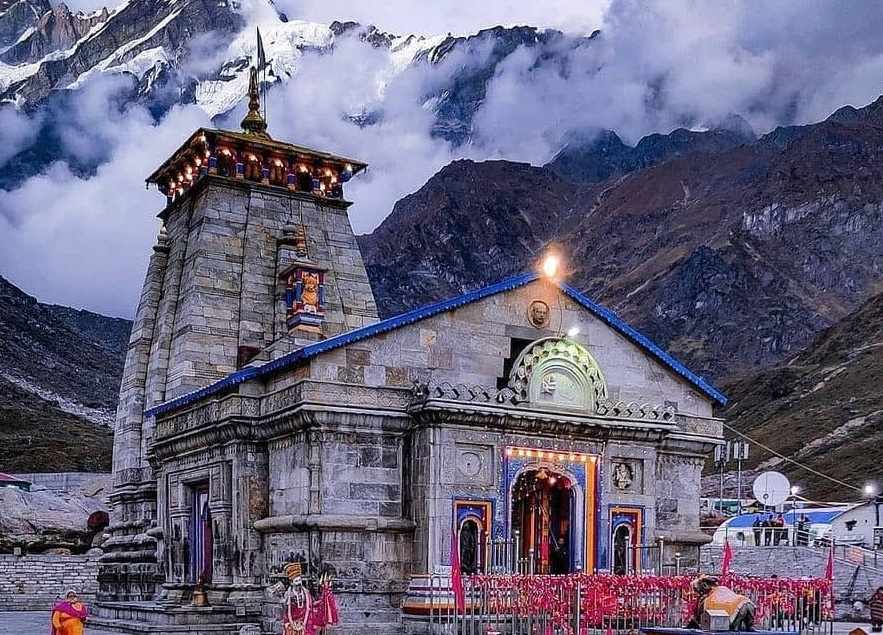
Kedarnath Temple To Reopen On April 22, 2026; Full Char Dham Schedule Announced
While a Shivalinga is a symbol of devotion created by humans, Jyotirlinga is a divine self-manifestation of Lord Shiva in the form of light
Lord Shiva, revered as Mahadev (the Supreme God), is worshipped in many forms across India. The two most prominent among them are the Shivalinga and the Jyotirlinga. Though both are associated with Shiva, their origin and significance are distinct.
https://www.facebook.com/share/r/199yJC6zUc

Shivalinga: The Symbol of Lord Shiva
- The word Linga means symbol or mark.
- A Shivalinga is a mystic idol representing Lord Shiva’s energy and creation.
- It is usually man-made, installed in temples or homes, though some natural (Swayambhu) lingas are also found.
- Shivalingas are countless in number, with devotees worshipping them as a medium to connect with Mahadev.
Jyotirlinga: The Pillar of Light
- Jyoti means light; hence, Jyotirlinga translates to the “Lingam of Light.”
- Unlike Shivalingas, Jyotirlingas are not created by humans — they are self-manifested (Swayambhu).
- According to the Shiva Purana, wherever Shiva appeared as a pillar of divine light to bless devotees, a Jyotirlinga emerged.
- There are 12 sacred Jyotirlingas in India, each linked to legends and divine manifestations.
- Devotees believe that visiting Jyotirlingas washes away sins and grants spiritual enlightenment.
The Mythological Origin
As per legend, once Lord Brahma (the creator) and Lord Vishnu (the preserver) argued about who was the greatest. To settle the dispute, Lord Shiva appeared as an infinite pillar of light. Neither Brahma could find the top nor Vishnu the bottom of the pillar. This endless Jyoti (light) symbolized Shiva’s limitless power. The places where this divine light manifested later became the Jyotirlingas.
The 12 Jyotirlingas and Their Glory
These include Somnath (Gujarat), Mallikarjuna (Andhra Pradesh), Mahakaleshwar (Madhya Pradesh), Kedarnath (Uttarakhand), Kashi Vishwanath (Uttar Pradesh), Rameshwaram (Tamil Nadu), Trimbakeshwar, Bhimashankar & Grishneshwar (Maharashtra), Omkareshwar (Madhya Pradesh), Baidyanath (Jharkhand), and Nageshwar (Gujarat). Each holds deep mythological and cultural significance, standing as the most sacred shrines for Shiva devotees.
- A Shivalinga is a symbol of Shiva, generally created by devotees as a representation of his cosmic power.
- A Jyotirlinga is a direct manifestation of Shiva himself, as a pillar of light, making it far rarer and holier.