Simple Expert-Backed Tips to Make Your Aglaonema Plant Grow Bushy
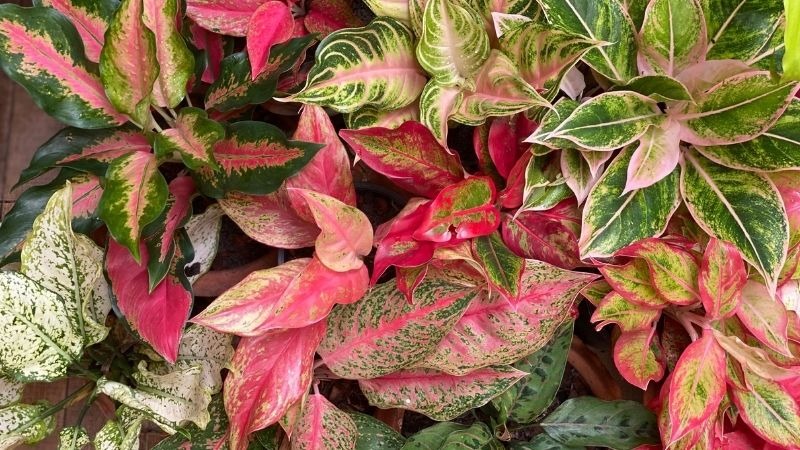
Simple Expert-Backed Tips to Make Your Aglaonema Plant Grow Bushy
Pune – Known for its attractive foliage and low-maintenance nature, the Aglaonema—popularly referred to as the Chinese Evergreen—has become a favorite among indoor gardening enthusiasts. However, while the plant is relatively easy to grow, experts say that a few specific care practices can make a big difference in ensuring the plant remains bushy and vibrant.
According to horticulturists at Voice of Plant, several actionable tips can encourage denser growth in Aglaonema and prevent the plant from turning leggy or sparse.
Light Matters
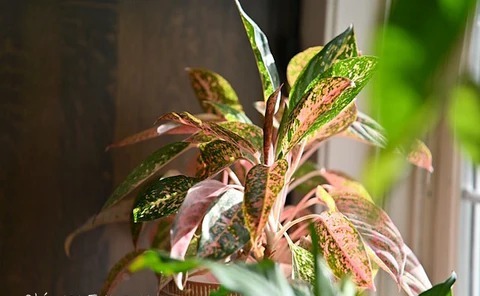
Aglaonema thrives best in bright, indirect sunlight. While it can survive in low-light corners of the home, prolonged lack of light may slow down its growth and reduce foliage density. Direct sunlight should be avoided, as it can scorch the leaves.

Watering Wisely
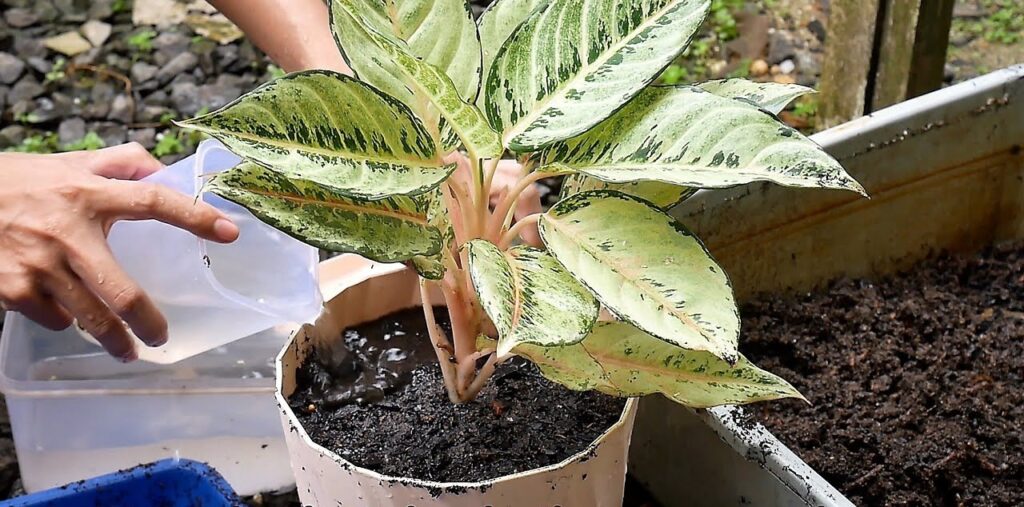
Overwatering remains one of the most common mistakes. Experts recommend allowing the top layer of soil to dry out before watering again. Excessive moisture can lead to root rot, making the plant prone to wilting and decay.
Regular Pruning is Key
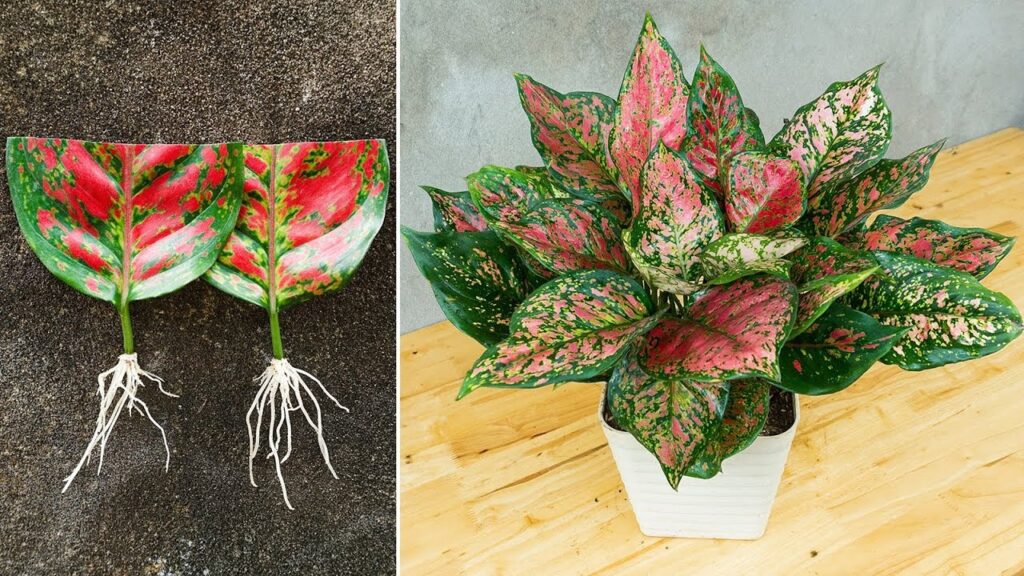
Gardeners are advised to trim long or leggy stems regularly to promote new growth from the base. Pruning helps maintain a balanced shape and encourages bushier development. Use clean, sharp scissors to avoid infections.
Fertilize During Growing Season
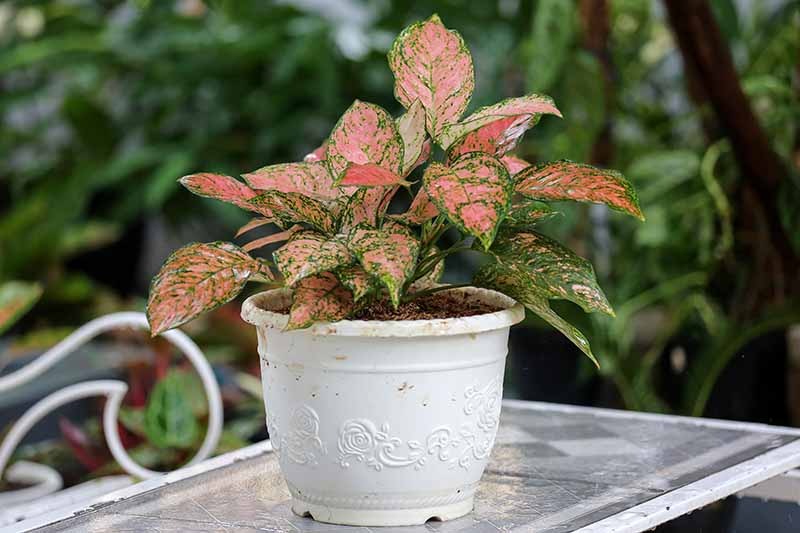
During spring and summer—the plant’s active growth period—Aglaonema should be fertilized once a month with a balanced, water-soluble fertilizer. However, over-fertilization must be avoided, as it may damage the roots.
Maintain Humidity Levels
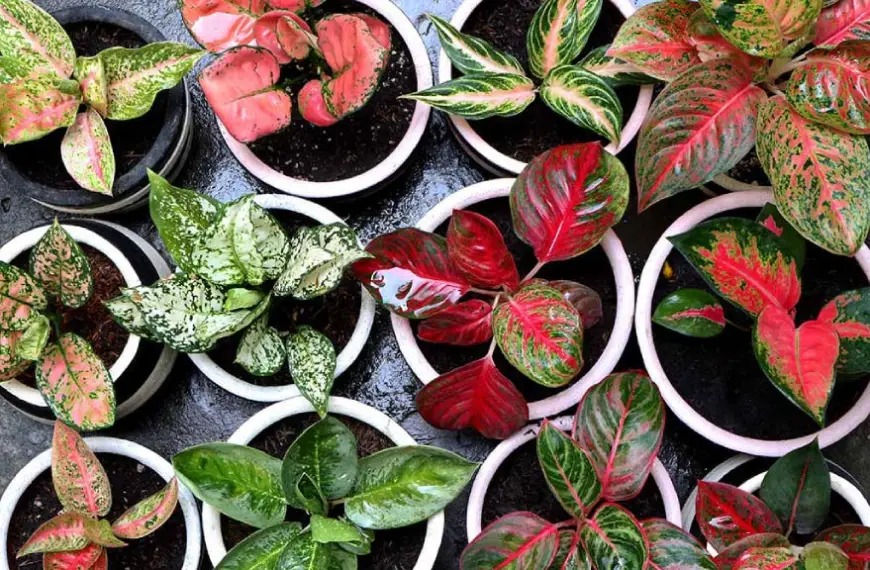
Though adaptable, Aglaonema prefers moderate humidity. In dry indoor conditions, occasional misting or the use of a pebble tray with water can help maintain the required moisture around the plant.
Repot When Necessary
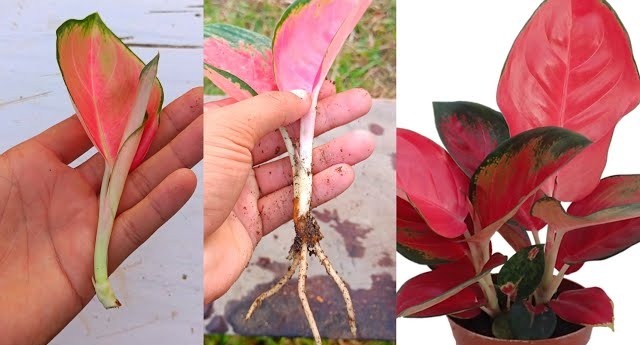
If the plant appears root-bound or growth slows significantly, repotting into a slightly larger container with fresh soil can rejuvenate its health and appearance.
Rotate for Even Growth
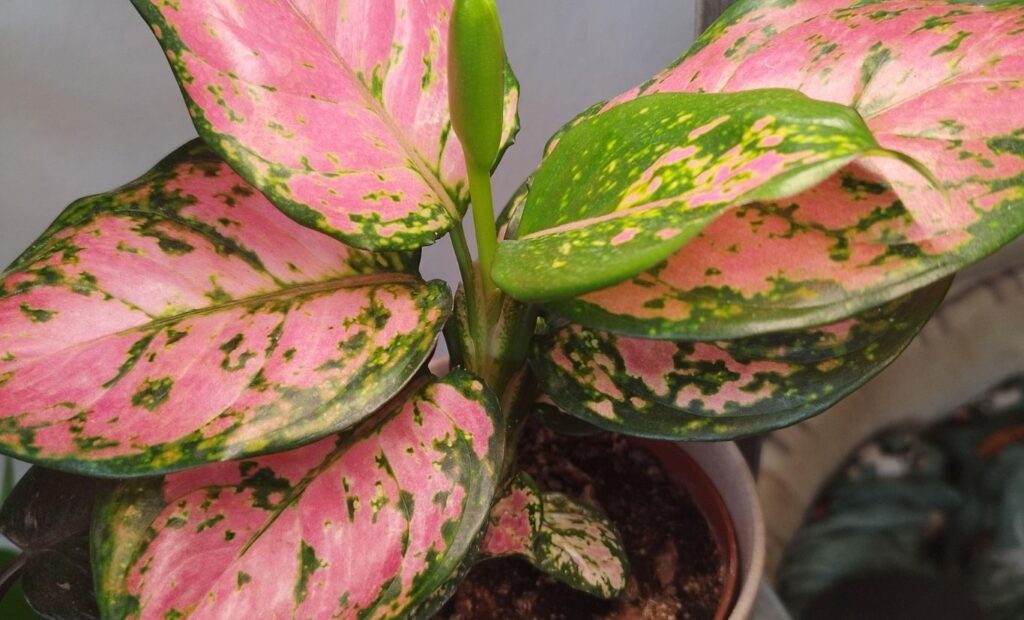
To avoid one-sided growth, the plant should be rotated every few days. This ensures that all sides receive equal exposure to light.
By following these expert-backed care tips, indoor gardeners can enjoy a lush, bushy Aglaonema that adds beauty and freshness to any indoor space.