Smartphone Prices May Rise Up To 14% In 2026 As AI-Driven Chip Shortage Deepens
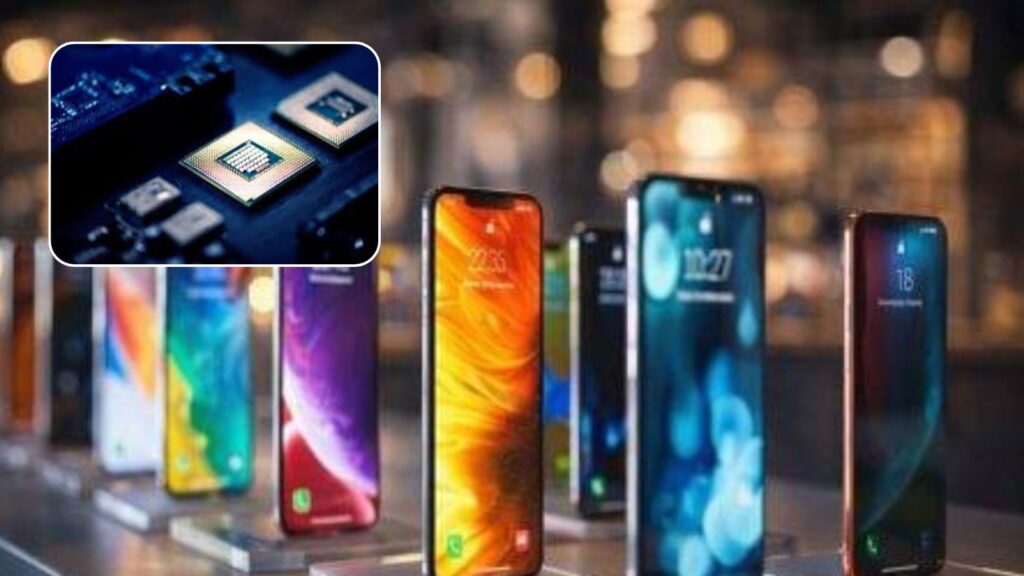
Smartphone Prices May Rise Up To 14% In 2026 As AI-Driven Chip Shortage Deepens
IDC warns memory chip crisis could push average phone price to record high; budget models may face sharp impact
Smartphone buyers may have to pay significantly more in 2026 as a global memory chip shortage tightens supply. A new report by the International Data Corporation (IDC) projects that smartphone prices could rise by up to 14% this year, driven largely by surging demand for artificial intelligence (AI) infrastructure.
According to IDC, the average selling price of smartphones is expected to climb 14% to a record $523. The report also predicts that global smartphone shipments could fall 12.9% to 1.12 billion units in 2026 — the lowest level in over a decade.
AI Boom Behind The Shortage

The semiconductor crunch is being fuelled by the rapid expansion of AI technologies. As companies rush to build data centres and AI-powered systems, demand for advanced memory chips has surged.
Two key types of memory are at the centre of the crisis:
DRAM (Dynamic Random-Access Memory), commonly used in smartphones and laptops, and
HBM (High Bandwidth Memory), a more advanced technology used in AI data centres.
Major Asian memory chip manufacturers have shifted production toward supplying AI companies, leaving limited capacity for consumer electronics. As a result, prices for both DRAM and HBM chips have nearly doubled in the first quarter of 2026 compared with the previous quarter, according to industry research.

Budget Smartphone Makers Under Pressure
The report suggests that smaller Android smartphone manufacturers may be hit harder, especially Chinese budget brands that operate on thin margins. IDC estimates that manufacturers may no longer be able to produce smartphones priced below $100.
Larger companies such as Apple and Samsung are expected to be relatively insulated due to stronger supply chain control and long-term contracts. Analysts believe this could allow major brands to increase market share as smaller players struggle.
Samsung has already raised prices on some of its models this year. The recently launched Galaxy S26 series reportedly saw price hikes of up to ₹10,000, with the standard model increasing by ₹6,000 and the Ultra variant by ₹10,000.
Long-Term Impact On The Industry
For years, memory chips were considered a steady but lower-margin business compared to advanced processors. However, the AI boom has transformed the sector. As AI systems require massive data processing and storage, memory has become a critical and high-demand component.
Industry experts warn that the shortage could persist into next year. Some technology executives have even suggested investing in in-house chip production to secure supply and reduce dependence on external vendors.
With memory costs rising and supply tightening, smartphone manufacturers may either reduce memory capacity in entry-level devices or focus more heavily on premium products.
For consumers, this could mean fewer budget options and higher prices across segments in the coming months.
Disclaimer: This article is based on industry reports and projections. Actual prices and market conditions may vary depending on supply chain developments and company policies.