Social Media Posts May Affect Foreign Travel: Why Memes, Comments Could Cost You A Visa
Social Media Posts May Affect Foreign Travel: Why Memes, Comments Could Cost You A Visa
As the US tightens scrutiny of travellers’ digital footprints, experts warn that even harmless posts or memes can trigger visa denial or extra questioning.
Posting memes or sharing opinions on social media may soon carry consequences far beyond online reactions. Governments, particularly the United States, are increasingly examining travellers’ digital footprints, with social media activity now playing a growing role in visa approvals, denials, and even deportation decisions.
Last week, the US government announced a proposal to intensify scrutiny of social media posts of travellers from countries eligible for visa-free entry under the Electronic System for Travel Authorization (ESTA). While detailed guidelines are yet to be made public, the proposal is open for public comment for a few weeks and is expected to come into force on February 8, 2026.
Under the proposed changes, travellers using the visa-free ESTA facility may be required to disclose email addresses used over the past 10 years. Authorities will also be allowed to review publicly available social media activity to assess potential risks before granting entry.

This move reflects a broader trend of enhanced border screening in the United States. Immigration experts note that a traveller’s online presence — including social media posts, shared images, memes, or comments — can now be used as grounds to deny entry or initiate deportation proceedings.
Earlier this year, a tourist from Norway alleged that he was denied entry into the US after authorities checked his phone and found a meme related to US Vice President J.D. Vance. The incident sparked widespread concern over how even casual or humorous content could be interpreted by border officials.
Legal experts have also raised alarms. Donald Rothwell, a professor of law at the Australian National University, has warned that travel to the US is becoming increasingly stressful for visitors. He points out that travellers entering under the Visa Waiver Program have very limited rights at US borders.
“Currently, travellers from 42 countries can enter the United States visa-free under the ESTA process. Such travellers have very few rights at the border,” Rothwell has said. He added that these travellers lose certain legal rights to challenge decisions made by US Customs and Border Protection (CBP) officers.
As a result, if a traveller does not comply fully with CBP demands upon arrival, they can be denied entry without much recourse.
The issue is of particular concern to Indians. The rule is expected to take effect at a time when Indians account for over 70 per cent of H-1B visa approvals and nearly 90 per cent of H-4 Employment Authorization Document (EAD) holders. Many of these individuals depend on visa stability for their careers, housing, and children’s education.
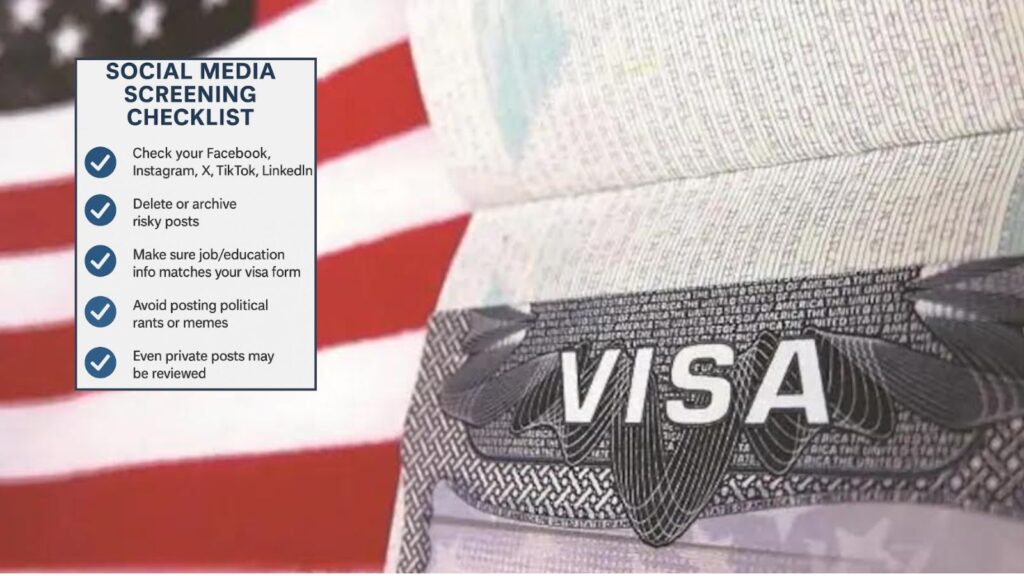
Immigration lawyers say the expanded scrutiny allows consular officers to examine applicants’ public profiles on platforms such as X, Instagram, and LinkedIn. Even neutral political opinions, old jokes, memes, or inconsistencies between professional profiles and visa paperwork may lead to additional questioning or delays.
Several technology companies with large Indian workforces have reportedly advised employees to audit their social media presence, avoid political or controversial posts, and use professional email addresses consistently in visa documentation.
Experts say the safest approach is mindful and conscious social media use. Rather than chasing trends or posting impulsively, travellers are advised to prioritise quality, context, and respect in their online interactions.
Travel advisers also stress cultural sensitivity while travelling abroad. Observing local customs, dressing appropriately, behaving respectfully, and blending in rather than treating places or people as social media props can help avoid unwanted attention.
With digital footprints now crossing borders alongside passports, awareness and restraint online may prove just as important as valid travel documents.
Disclaimer: This article is for informational purposes only. Immigration rules, visa policies, and screening practices may change. Travellers should verify official guidelines and seek professional advice before international travel.