Soft Chapati Secrets: Easy Ways to Make Your Roti Light, Fluffy & Mouth-Melting
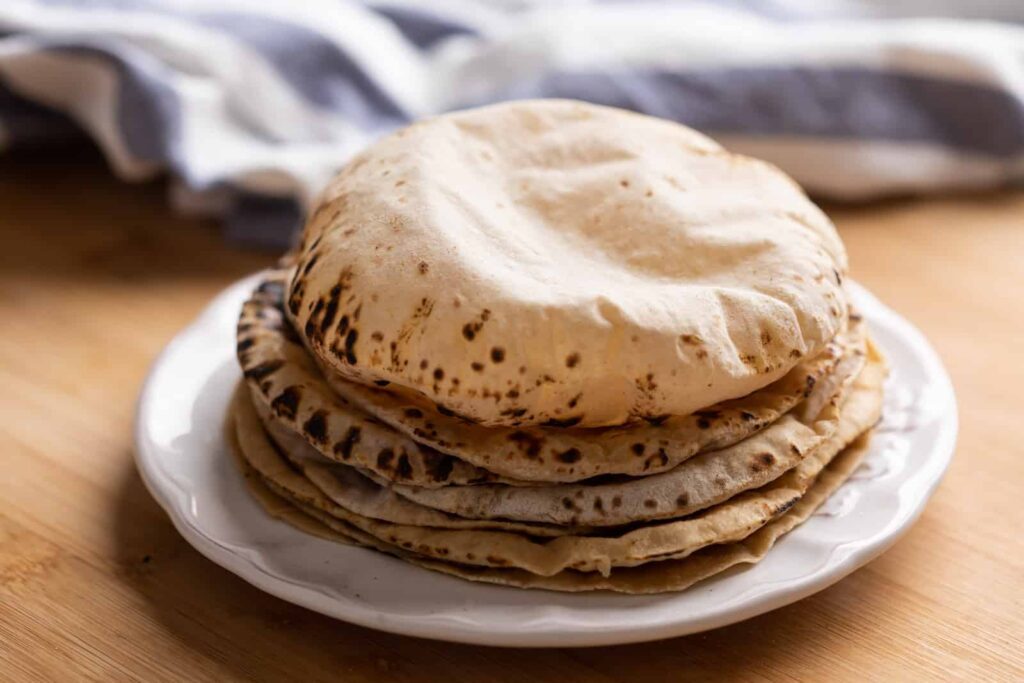
Soft Chapati Secrets: Easy Ways to Make Your Roti Light, Fluffy & Mouth-Melting
With the right tricks, even everyday dough can turn into a cloud-like roti, here’s how
Making soft, puffed chapatis is less about luck and more about timing, technique and tiny tweaks. Two kitchen-stories recently circulated new tips that simplify the process — from adding just a pinch of two unexpected ingredients to ensuring the pan is just right. Here’s a refined method you can rely on, drawing from verified home-cook insights.
Start with finely milled whole-wheat flour and warm water. The dough should feel soft and pliable, not sticky or dry. Some cooks recommend adding a drop of oil or ghee into the flour before kneading, this lightly coats the gluten strands, making them relax more easily and produce a softer texture. Now knead with purpose: use both palms and knuckles to stretch and press the dough until smooth, then cover and rest it for about 10-15 minutes under a damp cloth. That rest lets the flour fully hydrate, the gluten relax, and the dough become easier to roll.
When you roll each ball into a disc, keep it even without pressing too hard — uneven thickness causes poor cooking and a tough final texture. Then comes the cooking: your tawa or skillet must be hot enough, when you place the roti down, you should see bubbles forming quickly. Once those bubbles appear, flip it and either hold it over flame briefly or press gently with a cloth on the pan so it puffs. That puff means steam trapped inside is expanding, making the roti soft and airy.


If your dough still feels firm or your rotis turn tight, try this smart hack: add a pinch each of salt and sugar during kneading. The salt enhances flavour and helps the paste relax, while sugar supports slight fermentation and softness. Cover the dough and let it rest again briefly, this extra step lightly ferments the gluten and helps the rotis stay tender and fresh even later in the day.
After cooking, stack the rotis immediately and wrap them in a clean cotton cloth. This retains the steam, prevents dryness and keeps the surface from going leathery. If you’re packing them for lunch, place the wrapped stack into an airtight container. For reheating, sprinkle a few drops of water and warm gently, so the softness returns without compromising texture.
Quality flour, correct hydration, short rest, moderate oil or ghee, and a hot cooking surface combine to create the legendary “soft roti”. Some of the simplest tips often make the biggest difference, no complex gadgets needed, just a little intention and regular practice at home.
Disclaimer: The tips in this article are based on general cooking practices and home-kitchen experience. Results may vary depending on flour quality, cooking equipment and individual technique. These suggestions are meant for guidance only and should be adapted according to personal preference and dietary needs.