Stop Feeding Pigeons Now – Experts Warn It Could Spread Dangerous Diseases and Harm Your Health
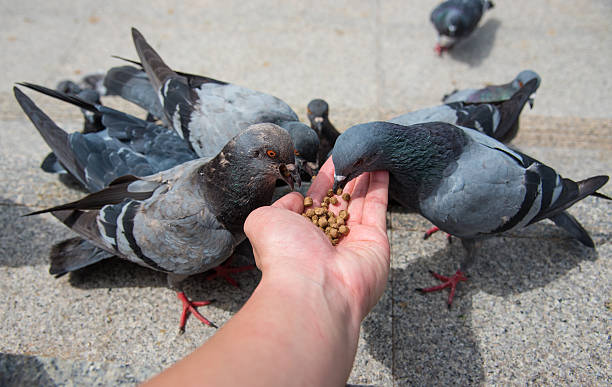
Feeding Pigeons Could Pose Serious Health Risks, Warn Experts
What many consider a simple act of kindness—feeding pigeons—may actually have serious health consequences. Health experts and recent studies have warned that exposure to pigeon droppings can lead to dangerous lung infections.
Cricket commentator Harsha Bhogle recently raised the issue on X (formerly Twitter), highlighting the dangers of inhaling dust from dried pigeon droppings.
“Doctors have been shouting from the rooftops about the dangers of inhaling pigeon droppings and the severe lung disease it could lead to,” Bhogle wrote, urging people to stop feeding pigeons.
Study Confirms Link Between Pigeons and Lung Infections
A study published in the Uttar Pradesh Journal of Zoology supports Bhogle’s warning, confirming that pigeon droppings contain harmful fungi, including Cryptococcus neoformans. This fungus thrives in soil and organic matter contaminated by pigeon waste.

On my way to the ground in Delhi and my heart sank when I saw people feeding a whole army of pigeons. Doctors have been shouting from the rooftops about the dangers of inhaling pigeon droppings and the severe lung disease it could lead to. Please, let us stop feeding pigeons. pic.twitter.com/hUbyUv3bsn
— Harsha Bhogle (@bhogleharsha) October 12, 2025
When the droppings dry, fungal spores become airborne and can be inhaled, entering the lungs unnoticed. People who work closely with birds—such as zookeepers, bird breeders, and those cleaning old buildings—are at the highest risk. Individuals with weakened immune systems, especially those living with HIV/AIDS or chronic respiratory issues, are particularly vulnerable.
The Silent Disease: Cryptococcosis
Medical professionals have long warned about Cryptococcus neoformans, which causes cryptococcosis, a potentially fatal lung disease. It often begins with mild respiratory symptoms like cough, chest pain, and fever but can progress to affect the brain, causing cryptococcal meningitis.
Because its early symptoms resemble common lung infections, the disease often goes undiagnosed until it becomes severe. Experts note that while pigeons themselves don’t host the fungus due to their high body temperature, their droppings provide an ideal environment for fungal growth once they dry and mix with dust.
Feeding Pigeons Worsens the Problem
Pigeons thrive in urban areas, nesting on ledges, rooftops, and monuments. Over time, overfeeding has led to overpopulation, increasing the accumulation of droppings and raising the risk of contamination.
Apart from Cryptococcus, pigeons can also transmit bacteria such as Salmonella and Chlamydia psittaci, which cause respiratory illnesses in humans.
Experts Recommend Precaution and Awareness
Health and environmental experts are urging the public to:
- Avoid feeding pigeons or encouraging them to nest near homes.
- Wear masks and gloves when cleaning droppings.
- Keep balconies, rooftops, and windowsills clean and dry.
- Ensure proper ventilation in older buildings.
- Support awareness campaigns about the health risks of pigeon feeding.
Urban authorities are also taking note by introducing pigeon control measures, improving sanitation, and limiting nesting areas to reduce human exposure.
Public Education Is Key
Researchers emphasize that the goal is not to eliminate pigeons but to promote safe coexistence through hygiene and awareness. Maintaining clean environments and discouraging mass feeding can help prevent the spread of fungal and bacterial infections linked to pigeons.
Disclaimer: This article is for informational purposes only and does not substitute for professional medical advice. Consult a healthcare provider for proper diagnosis or treatment.