Storing Vegetables in Plastic Bags? This Common Habit May Be Harming Your Health
Storing Vegetables in Plastic Bags? This Common Habit May Be Harming Your Health
Microplastics, chemical leakage and faster spoilage make plastic storage risky inside refrigerators
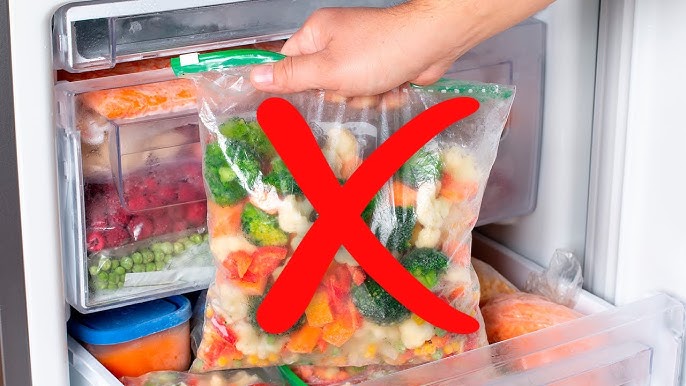
Many people believe that keeping vegetables in plastic bags inside the refrigerator is the best way to keep them fresh. It looks neat, convenient, and “safe.” But in reality, this habit may be silently affecting your health and reducing the quality of your food.
Plastic and vegetables have a dangerous relationship, especially in cold and closed environments like refrigerators. When vegetables remain in contact with plastic for long hours or days, harmful chemicals and invisible plastic particles can slowly transfer into the food.
One of the biggest risks is microplastic contamination. Every time a plastic bag is handled, opened, or rubbed, it releases tiny plastic particles called microplastics and nanoplastics. These particles are so small that they cannot be seen with the naked eye. They can stick to vegetables and, in some cases, even enter the edible tissue.

Once consumed, these particles can enter the bloodstream and accumulate in organs over time. Studies suggest long-term exposure may affect the liver, kidneys and intestines and may trigger chronic inflammation.
Another major concern is chemical leaching. Most plastic bags and containers contain chemicals such as:
- Bisphenol-A (BPA)
- Phthalates
When vegetables stay in contact with plastic for long periods, especially in moist conditions, these chemicals slowly mix into the food. Eating such vegetables regularly may lead to:
- Hormonal imbalance
- Reproductive problems
- Lower fertility
- Digestive disorders
- Endocrine system disruption
These chemicals act like hormones in the body and can interfere with natural hormonal functions.
Plastic storage also worsens food spoilage. Plastic traps moisture and prevents air circulation. This creates an ideal environment for bacteria and mold. Wet vegetables rot faster, develop bad smell, and lose nutrients quickly.
A major study conducted by the UK-based Waste and Resources Action Programme (WRAP) examined how common fruits and vegetables like apples, bananas, broccoli, cucumbers and potatoes behave under different storage methods. Their findings were eye-opening:
- Plastic-wrapped produce did not stay fresh longer than loose produce
- Plastic packaging made people overbuy and waste more food
- “Best before” labels confused buyers and caused early disposal
- Selling loose fruits and vegetables could save:
- 100,000 tonnes of food waste
- 10,300 tonnes of plastic every year in the UK alone
This shows that plastic not only harms health but also increases food waste and environmental damage.
So what should you do instead?
The safest way is to switch to breathable and non-plastic storage methods.
For whole vegetables:
- Store them loose or in open trays
- Use cotton mesh bags
- Use paper bags
- Keep airflow around produce
For leafy vegetables:
- Do not wash and store them wet
- Let them air dry completely
- Wrap them in paper towels or newspapers
- The paper absorbs excess moisture and prevents mold
For cut vegetables and fruits:
- Use glass containers with airtight lids
- Use stainless steel containers
- Use natural beeswax wraps
Avoid low-quality plastic containers completely.
Do not wash vegetables before storing unless you dry them fully. Moisture speeds up decay. Wash them only before use whenever possible.
Also, be careful about ethylene gas. Fruits like bananas, apples and tomatoes release this gas, which makes vegetables ripen faster. Keep them away from leafy greens and cucumbers.
In simple words:
Plastic does not protect your vegetables.
It slowly poisons them.
Glass, paper, cloth and steel are far safer, healthier and longer-lasting choices.
Fresh food should nourish your body, not contaminate it.
Disclaimer: This article is for general awareness and educational purposes only. It does not replace medical or professional advice. Health effects may vary from person to person. Readers are advised to consult health experts for specific concerns related to food safety and chemical exposure.