Sudden Headache Getting Worse? What It Means and How to Find Relief

Sudden Headache Getting Worse? What It Means and How to Find Relief
Headaches are among the most common health complaints worldwide. They may be mild and occasional or severe enough to disrupt daily life. While most headaches are harmless, a sudden spike in pain or unusual symptoms could signal something more serious. Recognizing the type, cause, and early warning signs can help you manage them better.
When Should You Worry About a Sudden Headache?
A headache that comes on abruptly or feels unusually intense deserves attention. The type of pain—sharp, throbbing, or dull—along with symptoms such as blurred vision, nausea, or weakness in the limbs can offer important clues. If these warning signs appear, it’s best not to ignore them.

Symptoms Linked to Tension Headaches
- Pain that builds gradually
- Tightness at the back of the neck or around the head
- Pressure-like sensation (often described as a “band” around the head)
- Pain intensity that changes through the day
- No nausea, vomiting, or light sensitivity (unlike migraines)
- May occur occasionally or up to 15 days a month
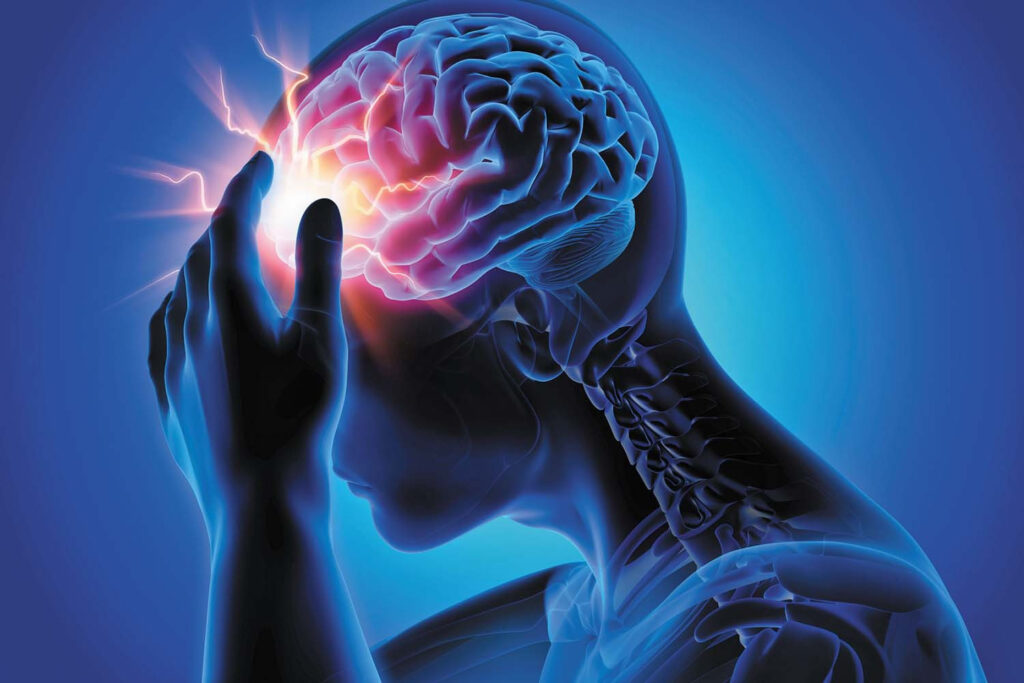
Why Do Tension Headaches Happen?
Tension headaches—the most common type—are usually triggered by stress or muscle strain in the head and neck area. Muscle tightness reduces blood flow and oxygen levels, causing chemical changes that lead to pain. Unlike migraines, tension headaches are generally steady and dull rather than throbbing.
Common Triggers
- Stress, anxiety, or mental strain
- Prolonged screen time or poor posture
- Dehydration or skipped meals
- Environmental irritants like smoke or pollution
- Fatigue and irregular sleep patterns
- Loud sounds or bright lights
Who Is at Risk?
Anyone can develop tension headaches, but people under chronic stress, students, working professionals, or those with poor sleep and hydration habits are more vulnerable.
Simple Remedies That Can Help
- Rest in a quiet, dark room
- Apply a warm or cold compress to the head or neck
- Massage the neck, shoulders, or temples
- Practice deep breathing, yoga, or relaxation techniques
- Stay hydrated and eat balanced meals
- Use topical balms or pain relievers like paracetamol, ibuprofen, naproxen, or aspirin (if suitable)
- Caffeine-based painkillers may also help in some cases
Preventive Treatment
For frequent or chronic cases, doctors may prescribe low-dose preventive medication such as Amitriptyline to reduce recurrence.
Nearly 9 out of 10 people experience a headache at least once a year, and around 40% deal with more severe types. Most are manageable, but a sudden or worsening headache should never be dismissed. If pain persists or new symptoms appear, consult a healthcare professional promptly.
Disclaimer: This article is for informational purposes only and should not replace medical advice. Always consult a doctor for diagnosis and treatment.