Super El Niño Threat Over India: IMD Warns Of Weak Monsoon, Drought Risk And Extreme Weather In 2026
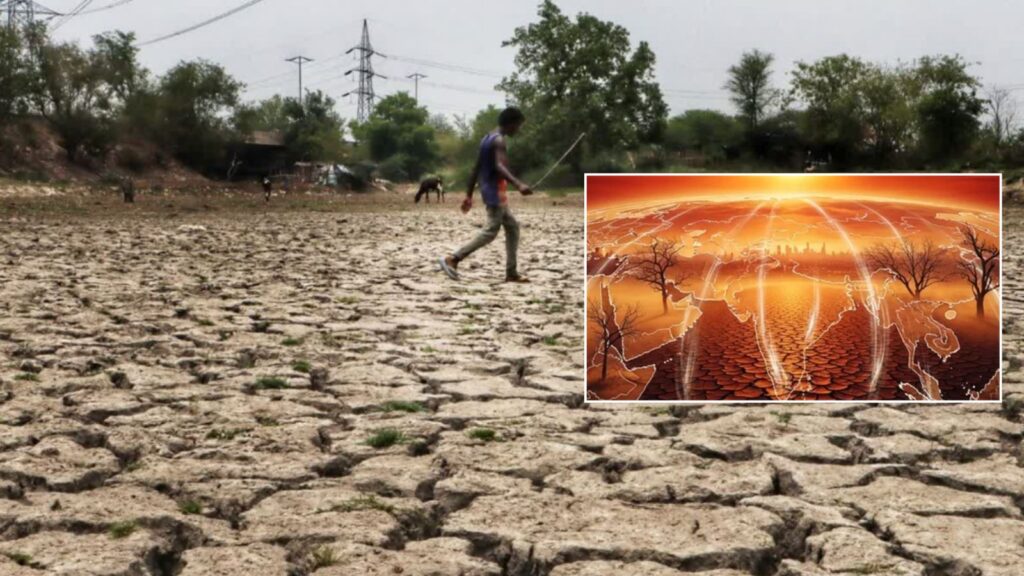
Super El Niño Threat Over India: IMD Warns Of Weak Monsoon, Drought Risk And Extreme Weather In 2026
India may face one of its most challenging monsoon seasons in recent years as weather agencies warn of a possible strong El Niño event developing in the Pacific Ocean. Experts say several states could witness drought-like conditions, while some coastal regions may face excessive rainfall and flooding.
El Niño is expected to significantly influence India’s weather this year, with the India Meteorological Department (IMD) warning that the 2026 southwest monsoon is likely to remain below normal.
According to IMD’s first long-range monsoon forecast released in April, rainfall during the June to September monsoon season may reach only 92 per cent of the long-period average (LPA), placing it in the “below normal” category.
The long-period average rainfall for the country stands at around 870 mm based on data collected between 1971 and 2020.

Climate scientists say the Pacific Ocean is warming rapidly, increasing the likelihood of a strong El Niño event developing by June or July. El Niño refers to the periodic warming of ocean waters in the central Pacific, which disrupts global weather systems and often weakens India’s monsoon circulation.
A super El Niño is sprinting in ahead of schedule. Looks like it’s ready to go head-to-head with the Indian monsoon.* https://t.co/A2bmWOYiGS
— 🔴All India Weather (@allindiaweather) May 15, 2026
Dr Madhavan Nair, a climate scientist, warned that this year’s El Niño could become as severe as the major events recorded in 1997 and 2015.
Meteorological agencies estimate there is a 35 per cent probability of a deficient monsoon season this year, meaning rainfall could fall below 90 per cent of the average. Historically, the probability of such a deficit has remained around 16 per cent.
An El Niño is forming in the Pacific that could peak around +3°C by November. The last one that hot, in 1877, triggered famines that killed up to 50 million people, about 3% of everyone alive at the time.
— Anish Moonka (@anishmoonka) May 15, 2026
We’re not there yet. The Pacific only just crept across the El Niño line… https://t.co/igCpSqGFlH
Experts believe the first half of the monsoon season, especially June, may remain relatively stable. However, the impact of El Niño is expected to intensify during August and September, when rainfall could reduce sharply across several parts of the country.
Northern, western and central India are expected to face the highest risk of dry conditions and agricultural stress. States such as Punjab, Haryana and Rajasthan may witness severe rainfall shortages later in the season.
In Madhya Pradesh, regions including Indore, Ujjain, Gwalior, Chambal, Jabalpur, Rewa, Shahdol, Sagar and Narmadapuram are expected to receive below-normal rainfall.
Please remember. El Niño will pick up from June. Though the monsoon may start its journey early, El Niño will start impacting the monsoon from mid-June. So the health of the monsoon is likely to deteriorate from June to September. https://t.co/BKvY2xAZNB
— 🔴All India Weather (@allindiaweather) May 14, 2026
At the same time, some southern coastal regions may experience the opposite effect. Cities like Chennai could witness extremely heavy rainfall, raising concerns of urban flooding similar to the devastating floods seen during the 2015-16 El Niño period.
Meteorologists also pointed to previous El Niño years that severely affected India. During the 2015-16 event, monsoon rainfall dropped to 86 per cent of the long-period average, leading to drought-like conditions in several states. Maharashtra’s Marathwada region alone recorded a rainfall deficit of nearly 40 per cent that year.
Even during the 2023 El Niño year, India recorded a 36 per cent rainfall deficit in August. Districts including Satara, Nashik and Raigad in Maharashtra were among the worst affected.
Experts warned that regions already battling extreme summer temperatures, including Delhi-NCR, may continue to face prolonged heat and dry weather if rainfall weakens further.
However, meteorologists say there may still be some relief later in the season. Climate models indicate the possible development of a positive Indian Ocean Dipole (IOD), a weather pattern that generally supports stronger rainfall over India and may partially offset El Niño’s impact.
With nearly 60 per cent of Indian farmers dependent on monsoon rainfall for kharif crops, the upcoming season is being closely monitored across the country.
IMD is expected to issue an updated monsoon forecast later this month, which may provide a clearer picture of the intensity and impact of the developing El Niño conditions.
Disclaimer: Long-range weather forecasts may change as atmospheric conditions evolve. Readers are advised to follow official IMD updates for the latest information.