The Pigeons You Feed Could Be Silently Destroying Your Lungs
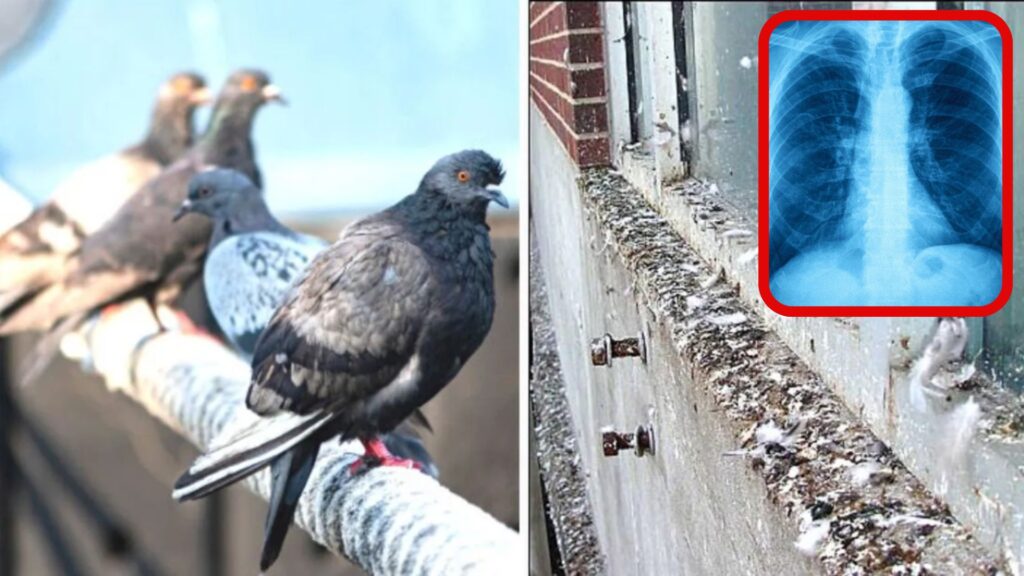
The Pigeons You Feed Could Be Silently Destroying Your Lungs
Experts warn that feeding pigeons could trigger severe lung diseases as urban bird populations surge across Indian cities
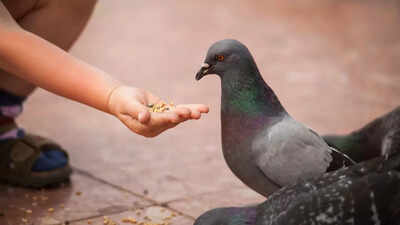
Pigeons have long been part of India’s urban identity, fluttering across balconies, gathering around chowks, and fed lovingly by thousands every morning. But behind this familiar cityscape lies a hidden, serious public-health threat now drawing national attention.
Cricket commentator Harsha Bhogle recently urged people to stop feeding pigeons, warning that inhaling dust, feathers and droppings can trigger a dangerous lung condition. Doctors say what many dismiss as a “normal cough” may actually be early lung injury.
The Hidden Illness: Bird Fancier’s Lung
Medical experts are sounding the alarm about Hypersensitivity Pneumonitis (HP) — commonly known as Bird Fancier’s Lung — a serious immune-driven lung disease caused by repeated exposure to allergens from pigeons. The disease gradually inflames the lungs, and if untreated, can lead to irreversible scarring and even lung failure.

Symptoms often mimic asthma:
• Persistent dry cough
• Shortness of breath
• Chest tightness or pain
• Extreme fatigue, even after mild exertion
Because these signs overlap with common respiratory illnesses, many patients are misdiagnosed for months.
Doctors warn that with long-term exposure, HP can progress silently:
• Fibrosis — permanent lung scarring that severely reduces breathing capacity
• Fungal infections such as histoplasmosis from bird or bat droppings
• Respiratory failure
• Lung transplant, in extreme cases
Why Experts Are Worried
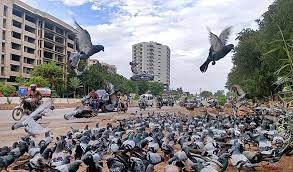
India’s pigeon population has exploded — rising more than 150% since 2000. Each pigeon produces up to 15 kg of droppings every year, drying into microscopic particles that become airborne. You don’t need to feed pigeons to be at risk; even dried droppings on balconies, AC units or window ledges can trigger lung inflammation when disturbed.
Pulmonologists in major cities report a rising number of cases linked to pigeon exposure. They also note bacterial, viral and fungal infections in people who handle pigeons regularly — including those who clean droppings without proper protection.
Why Are Cities Taking Action?
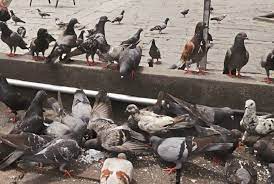
Several Indian cities, including Pune and Thane, have already imposed penalties on feeding pigeons due to public-health concerns. But the move has sparked a debate between environmental health experts and animal lovers.
• Jain communities, who consider feeding pigeons a religious duty, have protested the bans.
• Many city residents argue pigeons are symbols of peace and part of India’s cultural fabric.
• Films and tourism campaigns often feature grain-feeding scenes as quintessentially Mumbai or Delhi.
Yet urban planners warn that uncontrolled pigeon populations are turning into a health hazard, especially in high-density areas where droppings accumulate on terraces, balconies and building parapets.
How to Protect Yourself
Even if you don’t feed pigeons, exposure may still happen at home. Doctors recommend:
• Never dry-sweep droppings — spray water first to prevent dust from becoming airborne
• Wear masks and gloves while cleaning
• Install spikes, nets or mesh to prevent pigeons from nesting on ledges
• Avoid feeding pigeons in open public areas
• If you have persistent respiratory symptoms, inform your doctor about pigeon exposure
Pulmonologists stress that early diagnosis greatly improves outcomes — especially before lung fibrosis sets in.
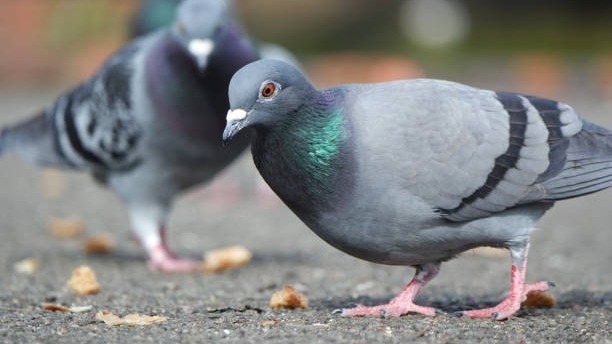
Pigeons may look harmless, but repeated exposure to their droppings and feathers can quietly damage the lungs. As Harsha Bhogle highlighted, a “small act” like feeding them may carry long-term consequences for you and your community.
With Indian cities witnessing soaring pigeon numbers, experts say it’s time to balance compassion with caution for the sake of urban health and your own breath.