Think Before You Charge: Places Where Plugging in Your Phone Could Get You Hacked

Think Before You Charge: Places Where Plugging in Your Phone Could Get You Hacked
We’ve all been there — you’re out and about, maybe at the airport or the mall, and your phone battery is about to die. The sight of a free USB charging port can feel like a lifesaver. But here’s the catch: that convenient little plug could come with a very big risk.
What many people don’t realize is that public charging stations — especially those with USB ports — can be a gateway for cybercriminals. These aren’t just places to top up your battery; in some cases, they could be silently stealing your personal information or even infecting your device with harmful software.
Let’s take a closer look at the everyday places where charging your phone could cost you more than just electricity.

1. Airports: High Traffic, Low Security
Airports are filled with charging stations to accommodate travelers. While it’s tempting to plug in while waiting for your flight, cybersecurity expert Jason Glassberg warns that travelers often don’t think twice before charging — and hackers know it. Some charging ports can be tampered with to extract data or install malware. When you’re rushing to catch a flight, security is the last thing on your mind — and hackers take full advantage of that.
2. Train Stations and Bus Terminals: Easy Targets for Hackers
Free USB charging points at railway stations or bus depots may seem like a blessing when your battery is about to die. But according to cybersecurity expert Jack Vonder Heide, these are prime spots for “juice jacking” — a term used when hackers set up malicious USB ports to steal data while your phone charges. Your contacts, messages, photos, and other sensitive data can all be silently copied.
3. Hotel Rooms: Even Bedside USB Ports Aren’t Always Safe
Many hotel rooms come with USB ports built into alarm clocks or bedside furniture. While they seem convenient, these too can be compromised. If a hacker has gained access to the room or tampered with devices beforehand, plugging into these ports could lead to malware being installed on your phone — or your private data being siphoned off without your knowledge.
4. Rental Cars: Modern Convenience, Hidden Threat
Rental cars these days often feature built-in USB charging ports. But cybersecurity advisor Stacey Clements warns that these, too, can be a weak point. The same USB port that charges your phone can also access it — potentially copying your data or transferring malware. To make matters worse, frequently charging your phone in a vehicle can actually harm the battery’s long-term health.
5. Shopping Malls: A Breeding Ground for Digital Theft
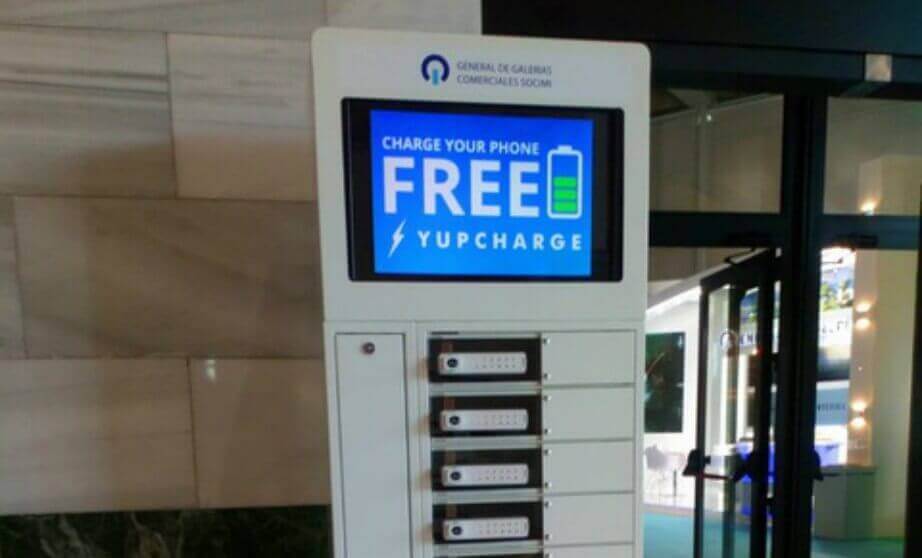
While taking a break from shopping, you might be tempted to use a public charging kiosk in a mall. But that decision could come back to haunt you. These kiosks can be tampered with to extract data such as emails, passwords, bank credentials, and more — not to mention the risk of malicious software being injected into your device. You won’t even know it’s happening.
6. Coffee Shops: Cozy Places, Dangerous Ports
Coffee shops are go-to spots for relaxation and remote work — and yes, they often offer charging stations too. But don’t let the warm lighting and calm music fool you. Hackers can easily plant tiny devices in USB ports that infect your phone with spyware or malware the moment you plug in. What starts as a casual coffee break could end in a digital nightmare.
Disclaimer: This article is just for information purpose only.