Toll Plazas May Disappear by 2026 as Nitin Gadkari Plans Seamless Highway Travel at 80 kmph
Toll Plazas May Disappear by 2026 as Nitin Gadkari Plans Seamless Highway Travel at 80 kmph
Highway travel across India could soon become much smoother, with drivers no longer needing to slow down or stop at toll booths. Union Road Transport and Highways Minister Nitin Gadkari has announced that the government is preparing to phase out physical toll plazas by the end of 2026 and replace them with a fully automated toll collection system.
The proposed technology-driven setup will allow vehicles to continue moving at highway speeds while toll charges are automatically deducted based on the exact distance travelled.

Automatic Toll Collection Without Stopping
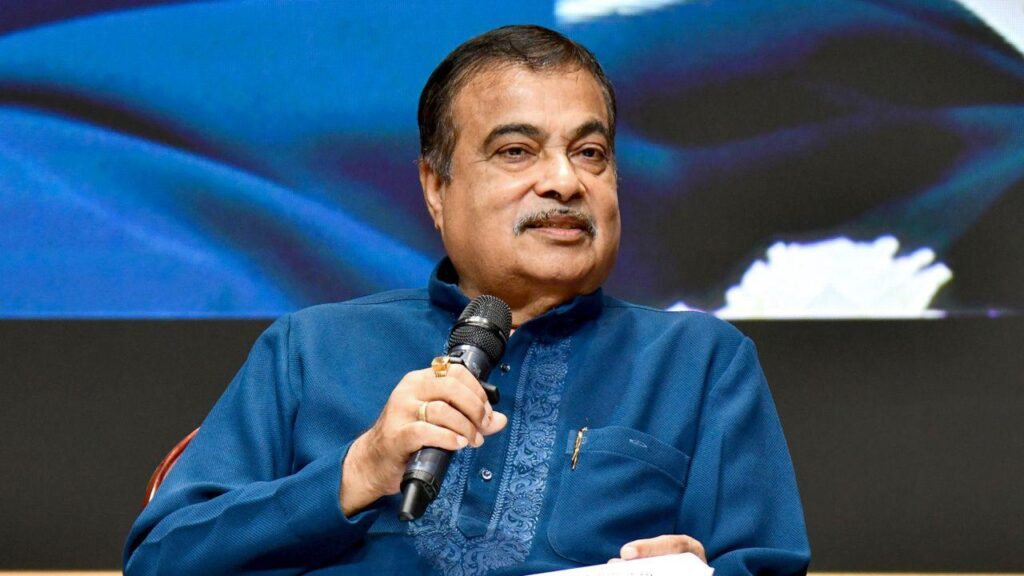
Speaking at the Times Drive Auto Summit & Awards 2026, Gadkari explained that the new system will use advanced number plate recognition cameras along with FASTag-linked payment technology.

Under the upcoming model, vehicles passing through highways will be identified instantly through overhead scanners and digital cameras. The toll amount will then be deducted directly from the linked bank account without requiring motorists to stop at barriers or booths.
According to the minister, this technology has already been introduced at around 85 toll locations across the country as part of the early rollout phase.
What Is the MLFF Tolling System?
The government plans to introduce a Multi-Lane Free Flow (MLFF) tolling system nationwide. Instead of traditional toll plazas with long queues and manual checks, highways will feature overhead gantries equipped with cameras, sensors and FASTag readers.
As vehicles move under these structures, the system will automatically calculate and deduct toll fees digitally. Drivers would no longer need to slow down, hand over cash or wait in traffic jams near toll booths.
Officials believe the new arrangement can improve highway traffic flow, reduce congestion and lower fuel wastage caused by repeated braking and acceleration.
Toll Charges Could Become Lower
The distance-based tolling model may also reduce costs for many travellers. Gadkari suggested that toll charges on some highway stretches, which currently range between ₹125 and ₹150, could drop to nearly ₹15 depending on the actual distance covered.
The government expects the new system to create a fairer pricing structure where motorists pay only for the portion of highway they use.
Why India Wants to Remove Toll Booths
Even after FASTag became mandatory, several highways continue to face heavy congestion at toll points during peak hours. Long waiting lines are common on busy expressways and freight corridors, creating delays for both private vehicles and commercial transport.
Authorities believe physical toll plazas are no longer suitable for India’s rapidly expanding highway network. Besides increasing travel time, toll queues also contribute to higher fuel consumption and frequent disputes between drivers and toll staff.
The automated toll collection model is designed to make the entire payment process almost invisible for commuters, similar to modern electronic transit systems.
FASTag Will Still Be Required
Although physical toll booths may vanish, FASTag will remain an essential part of the system. Vehicles with inactive FASTags, insufficient balance or incorrect account details could receive digital notices asking owners to clear unpaid toll dues.
The government has also indicated that delayed payments under the MLFF system may attract penalties, including double charges if dues are not settled within a specified period.
Motorists will therefore need to keep their FASTag accounts active and properly linked to avoid fines.
Big Changes Expected for Highway Travel
If the project is implemented nationwide, highway journeys in India could become faster and more convenient than ever before. Drivers may experience uninterrupted travel without repeated stops at toll booths, especially on long-distance routes.
Logistics companies and commercial transport operators are also expected to benefit through reduced fuel costs, quicker delivery schedules and smoother freight movement.
Alongside the toll reforms, Gadkari confirmed that work is progressing on several major highway corridors connecting Delhi with cities such as Jaipur, Dehradun, Amritsar, Katra and Srinagar, as well as key routes like Delhi–Chennai and Chennai–Bengaluru.