Too Much Salt Can Quietly Damage Your Kidneys, Doctors Warn
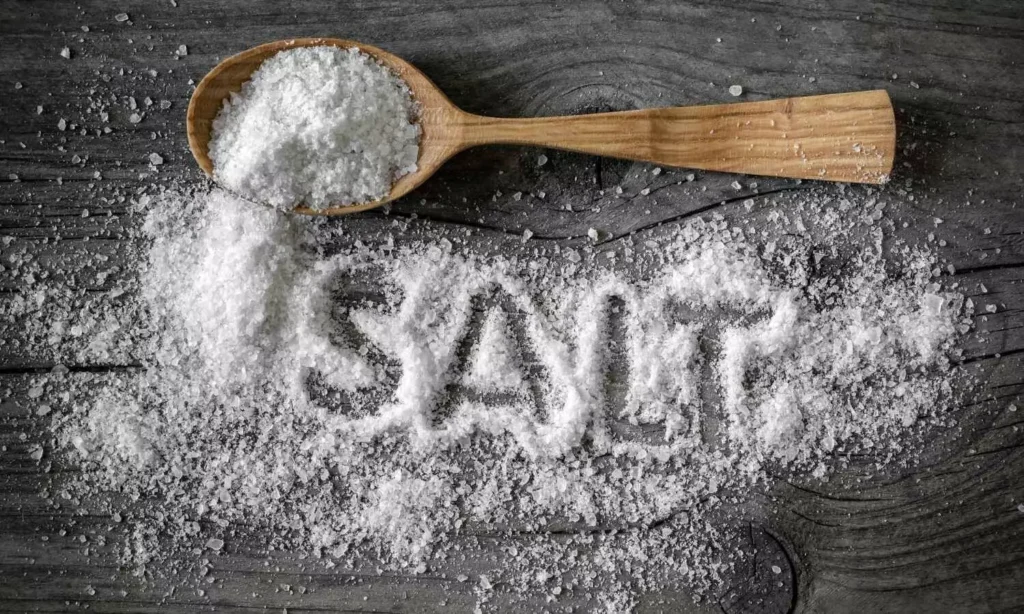
Too Much Salt Can Quietly Damage Your Kidneys, Doctors Warn
Indians consume nearly double the recommended salt intake, increasing the risk of kidney damage, stones, and chronic disease
Salt is an essential part of daily nutrition and plays a key role in maintaining nerve function, muscle movement, and fluid balance in the body. But when consumed in excess, it becomes a serious threat to kidney health. Doctors warn that high salt intake silently overworks the kidneys, damages delicate blood vessels, and increases the risk of long-term kidney disease.
According to the World Health Organization (WHO), a healthy adult should consume no more than 5 grams of salt per day, which is roughly one teaspoon. However, studies show that the average Indian consumes between 10 and 12 grams daily, almost double the recommended limit. This excessive intake is largely driven by processed foods, pickles, papads, packaged snacks, restaurant meals, and heavy use of salt in home cooking.
The kidneys are responsible for filtering excess salt and maintaining the balance of water and minerals in the body. When salt intake rises, blood volume increases, which raises blood pressure. High blood pressure forces the kidneys to work harder and gradually damages the tiny blood vessels inside them. Over time, this reduces their ability to filter waste efficiently.


One of the earliest warning signs of kidney damage caused by salt is proteinuria, a condition where protein leaks into the urine. Healthy kidneys normally prevent protein loss, so its presence in urine indicates injury to kidney filters. Left unchecked, this can progress to chronic kidney disease (CKD).
Excess salt also increases the risk of kidney stones. High sodium levels cause more calcium to be excreted in urine, creating an environment where stones can form. Kidney stones are not only painful but can also damage kidney tissue and increase infection risk.
Another common effect of high salt intake is fluid retention. Excess sodium pulls water into the bloodstream and tissues, causing swelling in the legs, face, and abdomen. This can lead to symptoms such as fatigue, shortness of breath, heaviness in the body, and confusion in severe cases.
High salt intake also increases the risk of heart disease. The heart and kidneys are closely linked, and damage to one often affects the other. Elevated blood pressure caused by excess sodium strains both organs and accelerates the decline in kidney function.
Doctors warn that continued high salt consumption can push people toward chronic kidney disease and even end-stage renal disease (ESRD), where dialysis or kidney transplant becomes necessary.
Reducing salt intake is one of the most effective ways to protect kidney health. Simple dietary changes can make a major difference. Packaged foods should be chosen carefully by checking sodium labels; foods with less than 140 mg of sodium per serving are considered low-sodium. Processed meats, canned foods, instant noodles, frozen meals, fast food, and processed cheeses should be avoided or consumed sparingly.
Fresh fruits, vegetables, and home-cooked meals are the safest choices. Instead of relying on salt, flavour can be enhanced using herbs, spices, lemon juice, garlic, ginger, and vinegar. Drinking adequate water helps the kidneys flush out excess sodium and toxins.
For individuals with kidney disease or high blood pressure, doctors recommend limiting salt intake to less than 2,300 mg of sodium per day, which is about half a teaspoon of salt.
Salt may enhance taste, but when consumed beyond limits, it slowly damages the kidneys without obvious early symptoms. Awareness and moderation are the strongest tools to prevent irreversible kidney damage and protect long-term health.
Disclaimer: This article is for general health awareness only and does not substitute professional medical advice. Individuals with kidney disease, high blood pressure, or other medical conditions should consult a doctor before making dietary changes.