US Visa Alert: Indian Students Rush to Delete Social Media Posts Amid Strict Vetting; Experts Warn It Could Backfire
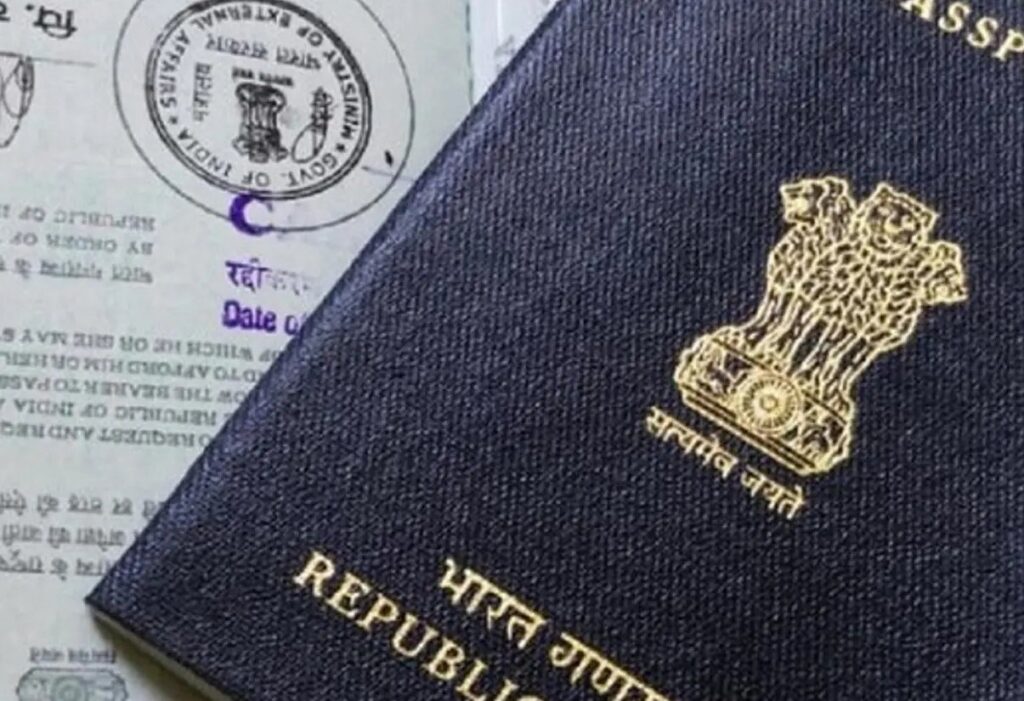
US Visa Alert: Indian Students Rush to Delete Social Media Posts Amid Strict Vetting; Experts Warn It Could Backfire
Social media vetting is now mandatory; even deleted posts, likes, or omissions could lead to US visa rejection, say officials
With the United States tightening its visa screening procedures under the Trump administration, Indian students are rushing to delete old posts and deactivate social media accounts—a move experts warn could be more damaging than helpful.
Visa applicants are required to list all social media usernames or handles of every platform they have used from the last 5 years on the DS-160 visa application form. Applicants certify that the information in their visa application is true and correct before they sign and… pic.twitter.com/ZiSewKYNbt
— U.S. Embassy India (@USAndIndia) June 26, 2025
In a sweeping change to the visa application process, the US State Department now mandates that all applicants list social media accounts used over the past five years. This measure is part of a broader effort to ramp up social media surveillance, especially following pro-Palestine protests and alleged anti-Semitic incidents across American universities in 2024.
Social Media: Now a Crucial Factor in Visa Approval
Applicants must now disclose their online presence, including platforms like Facebook, X (formerly Twitter), Instagram, LinkedIn, and TikTok. The US Embassy in India has issued a clear warning:

“Omitting social media information could lead to immediate visa denial and ineligibility for future applications.”
This includes likes, shares, and even jokes or political opinions, which could be misinterpreted by US officials during the visa vetting process.
Indian Students Scrub Digital Footprints
Fearing that years-old political views, satire, or activism may cost them a chance at studying abroad, many Indian students have resorted to deleting content or shutting down entire accounts. However, digital privacy experts caution that deletion doesn’t erase your data from US intelligence reach, and such activity might raise suspicion during background checks.
“Desperation is understandable,” said a senior visa consultant. “But deleting everything abruptly might make it seem like you’re hiding something. That itself can be flagged.”
Social Media Vetting: Not Just a Suggestion—A Legal Requirement
This shift marks a decisive move from traditional visa interviews to online vetting, with the Trump administration justifying the policy under national security concerns. Officials have confirmed that foreign students have previously been detained, had visas revoked, or were denied entry based on social media content.
Visa applicants now must certify the truthfulness of all information, including their digital presence. Any discrepancy, such as undeclared accounts could render them permanently ineligible for a US visa.
Students Advised to Be Cautious, Not Reactive
While the urge to clean up online profiles is understandable, immigration lawyers recommend a balanced approach:
- Review your public posts, comments, and likes carefully.
- Avoid deleting everything unless necessary, instead, make posts private or archive them.
- Be truthful in listing all accounts used in the past five years.
- Never attempt to hide or falsify information on your application.
“Social media today is an extension of our identity,” said an embassy official. “Treat it with the same care as your resume or academic transcripts.”
A Changed Landscape for Global Students
This policy is part of a broader shift in US immigration policy under Donald Trump’s second term, with rising scrutiny over student visas, especially from countries like India. With admissions season in full swing, many applicants now find themselves navigating not only academic requirements but also digital history audits.
As visa officers dive deeper into social profiles, transparency and caution remain the best tools for students hoping to fulfil their American dreams.