Uttarakhand Seals 14-Km Tunnel, Spending ₹52 Crore – The Reason Will Surprise You
Uttarakhand Seals 14-Km Tunnel, Spending ₹52 Crore – The Reason Will Surprise You
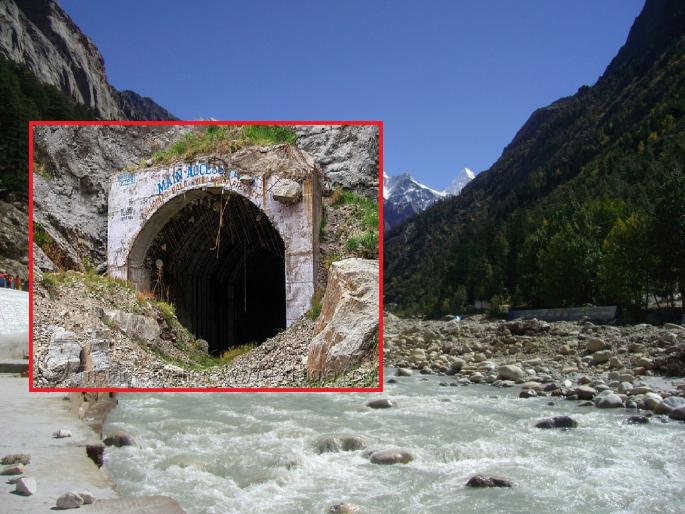
Uttarkashi has witnessed a historic decision where environmental conservation triumphed over large-scale development. A 14-kilometer tunnel, dug to divert the flow of the Bhagirathi (Ganga) River as part of the Loharinag-Pala Hydroelectric Project, is now being permanently closed. Surprisingly, dismantling this massive structure is costing the government an additional ₹52 crore — even after ₹650 crore had already been spent on the project.
This hydropower project, which aimed to generate 600 MW of electricity, had begun in 2006 under NTPC at a cost of ₹2,000 crore. By 2010, when authorities decided to cancel it, nearly 60% of the work had been completed. The tunnel, which was carved through the Himalayan mountains to redirect the river, will now be completely sealed to ensure that such diversion never happens again.
The Role of Swami Gyan Swaroop Sanand

The cancellation of the project and the move to restore the river’s natural flow can be credited to Professor G.D. Agrawal, also known as Swami Gyan Swaroop Sanand. A former IIT professor who embraced a spiritual life, Swami Sanand fought passionately to protect the Ganga. In 2007, while traveling to Gangotri with environmentalist Mahesh Chandra Mehta, he witnessed the drying riverbed caused by the project’s tunnel. Deeply moved, he began a 111-day fast demanding that the river should not be imprisoned in tunnels.
His protest inspired environmentalists, local citizens, and religious leaders to oppose the project. Swami Sanand passed away during this struggle, but his unwavering stance became a turning point, ultimately leading the government to permanently halt the project in 2010.
How the Tunnel is Being Sealed
The task of closing the 14-kilometer tunnel is being carried out under the guidance of scientists from the Geological Survey of India (GSI). The process begins with removing water and debris that has accumulated inside the tunnel using specialized machines. Following this, the tunnel will be filled with carefully chosen soil and rubble. This measure ensures that the tunnel can never again be used to alter the river’s flow, safeguarding the Ganga’s uninterrupted journey.
Environmental Concerns Over Economic Costs
Local residents and environmentalists had long warned against the project, and the Dharali disaster highlighted the fragile nature of the Himalayan ecosystem. Recognizing that large-scale construction could have devastating consequences, the government chose environmental protection over the financial loss incurred. This decision not only canceled the ambitious ₹2,000 crore project but also set a rare precedent for ecological prioritization in India.
A Legacy for the Ganga and Future Policies
The sealing of the Loharinag-Pala tunnel represents more than just a halted construction project; it is a milestone in India’s environmental history. By preserving the Ganga’s natural flow, the government has set an example of how development and ecological balance can coexist. Swami Sanand’s sacrifice, combined with the efforts of citizens and scientists, ensures that future projects in sensitive regions will have to respect both human needs and nature’s limits.
This decision reinforces a vital message: progress should not come at the cost of nature, and protecting rivers like the Ganga is essential for both cultural heritage and ecological sustainability.