Walk “Just This Much” to Lose Weight: Morning or Evening—Which Works Best?
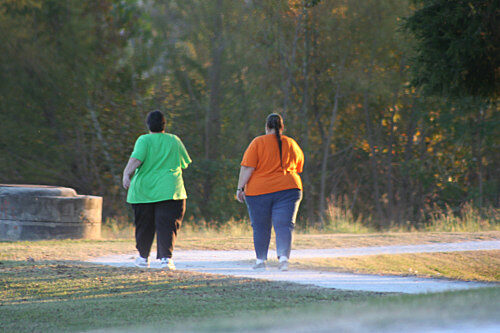
Walk “Just This Much” to Lose Weight: Morning or Evening—Which Works Best?
Losing weight doesn’t have to be complicated or expensive. While gyms, diet plans, and yoga are popular choices, one of the simplest and most effective ways to support weight loss is walking. However, it’s not just about walking—it’s also about how much and when you walk. The wrong timing or insufficient steps can reduce the effectiveness of your efforts.
Many people aim for 10,000 steps a day, but this number isn’t ideal for everyone. The right amount of walking depends on your age, weight, health, and daily routine. Studies suggest that walking 6,000 to 8,000 steps daily is sufficient to support weight loss for most people without causing fatigue or joint stress. Walking fewer steps can slow your metabolism, while suddenly walking too much may lead to overuse injuries.
Long hours of sitting at work or school, combined with frequent consumption of processed or fast foods, contribute to weight gain. Research shows that walking in the morning on an empty stomach can promote fat burning because the body taps into stored fat for energy when glycogen levels are low. Additionally, morning sunlight exposure helps regulate circadian rhythms, which is linked to improved metabolism and better overall energy levels.

Evening walks also have proven benefits. Studies indicate that walking after meals can help regulate blood sugar and improve digestion, reducing fat accumulation. Walking for 30 to 45 minutes in the evening also helps lower stress hormones like cortisol, improve circulation, and promote better sleep—all of which indirectly support weight management.
The most important factor is consistency. Whether you choose mornings or evenings, making walking a daily habit is crucial. Combining regular walking with a balanced diet and active lifestyle enhances weight loss and overall health.
Walking is a simple, scientifically backed method to support weight loss and improve overall well-being. A daily target of 6,000–8,000 steps—whether in the morning on an empty stomach or after dinner in the evening—can enhance fat burning, reduce stress, and boost energy. The focus should be on creating a consistent walking routine rather than fixating on the perfect timing. Over time, this habit can lead to sustainable weight management and improved health.
Disclaimer: This article is for general informational purposes only. Individual results may vary. Consult a healthcare professional before starting any new exercise or weight loss routine, especially if you have underlying health conditions.