‘Wetland Emergency’ In Navi Mumbai: Toxic Lakes Drive Flamingos Away
‘Wetland Emergency’ In Navi Mumbai: Toxic Lakes Drive Flamingos Away
Activists warn of ecological crisis as water quality deteriorates in key flamingo habitats
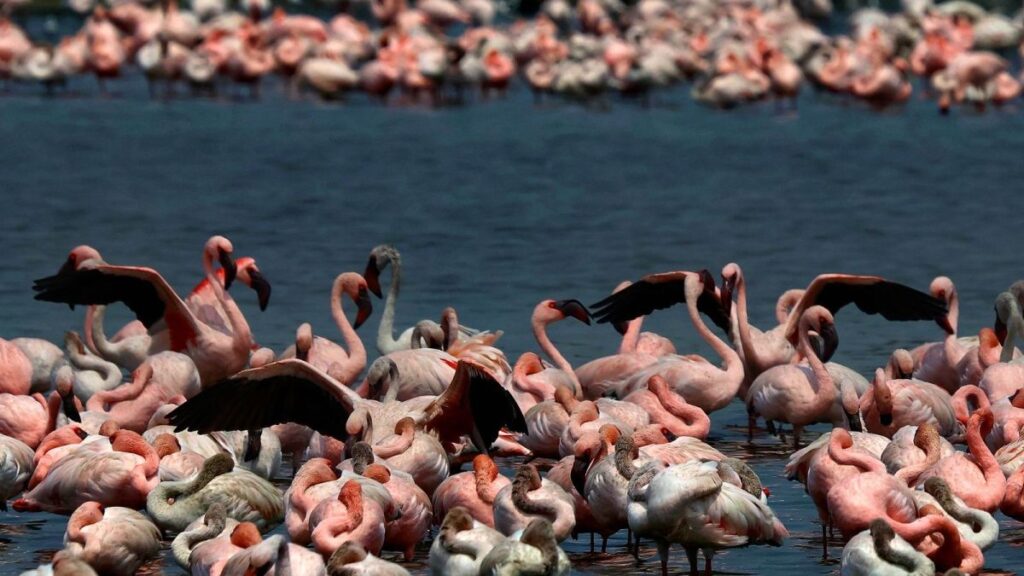
A serious environmental concern has emerged in Navi Mumbai, where activists have raised a ‘wetland emergency’ alarm after key flamingo habitats turned toxic, leading to the absence of migratory birds this season.
The issue has been flagged at DPS Lake, NRI Lake, and T S Chanakya Lake in Nerul, which act as satellite wetlands for the Thane Creek Flamingo Sanctuary. These areas are usually known for attracting large numbers of flamingos between November and May, with peak sightings from January to March.
However, this year, bird watchers have reported a noticeable absence of flamingos, indicating deeper ecological stress in the region.

Water Quality Tests Reveal Alarming Situation
Laboratory tests of water samples have revealed severe pollution levels. Key environmental indicators show that the wetlands are no longer in a healthy condition.
Total Dissolved Solids (TDS), which indicate salinity and pollutants, were recorded between 17,000 and 23,000 mg/L — far exceeding the normal level of around 5,000 mg/L for healthy wetlands.
Similarly, pH levels have risen above 9, indicating alkaline stress. Biochemical Oxygen Demand (BOD) values were found to be significantly higher than safe limits, pointing to heavy organic pollution and reduced oxygen levels in water.
Chemical Oxygen Demand (COD), another indicator of contamination, also exceeded normal levels, confirming the presence of chemical pollutants.
Experts say these readings suggest stagnant and polluted water caused by restricted tidal flow, rather than a naturally functioning wetland system.
Flamingos Missing As Food Chain Collapses
Flamingos depend on algae and microorganisms that thrive in balanced wetland ecosystems. With water quality deteriorating, this food chain has been disrupted, making the habitat unsuitable for the birds.
The absence of flamingos during peak season is being seen as a warning sign that the ecosystem may have crossed a critical threshold.
Activists Demand Immediate Action
Environmental groups have blamed unchecked development and poor governance for the situation. Concerns have been raised over construction activities and lack of measures to maintain natural tidal flow.
Activists are demanding urgent steps, including restoration of water flow, stricter environmental protection, and monitoring of pollution levels to revive the wetlands.
They warn that the crisis is not just ecological but could also pose public health risks if left unaddressed.
A Critical Wake-Up Call
Experts describe flamingos as indicators of ecosystem health. Their absence signals a larger environmental imbalance that could have long-term consequences for biodiversity in the region.
The situation has sparked calls for immediate intervention to protect Navi Mumbai’s wetlands before the damage becomes irreversible.